Nabeshima Summer Moon Review|A Crisp, Food-Friendly Side of Nabeshima
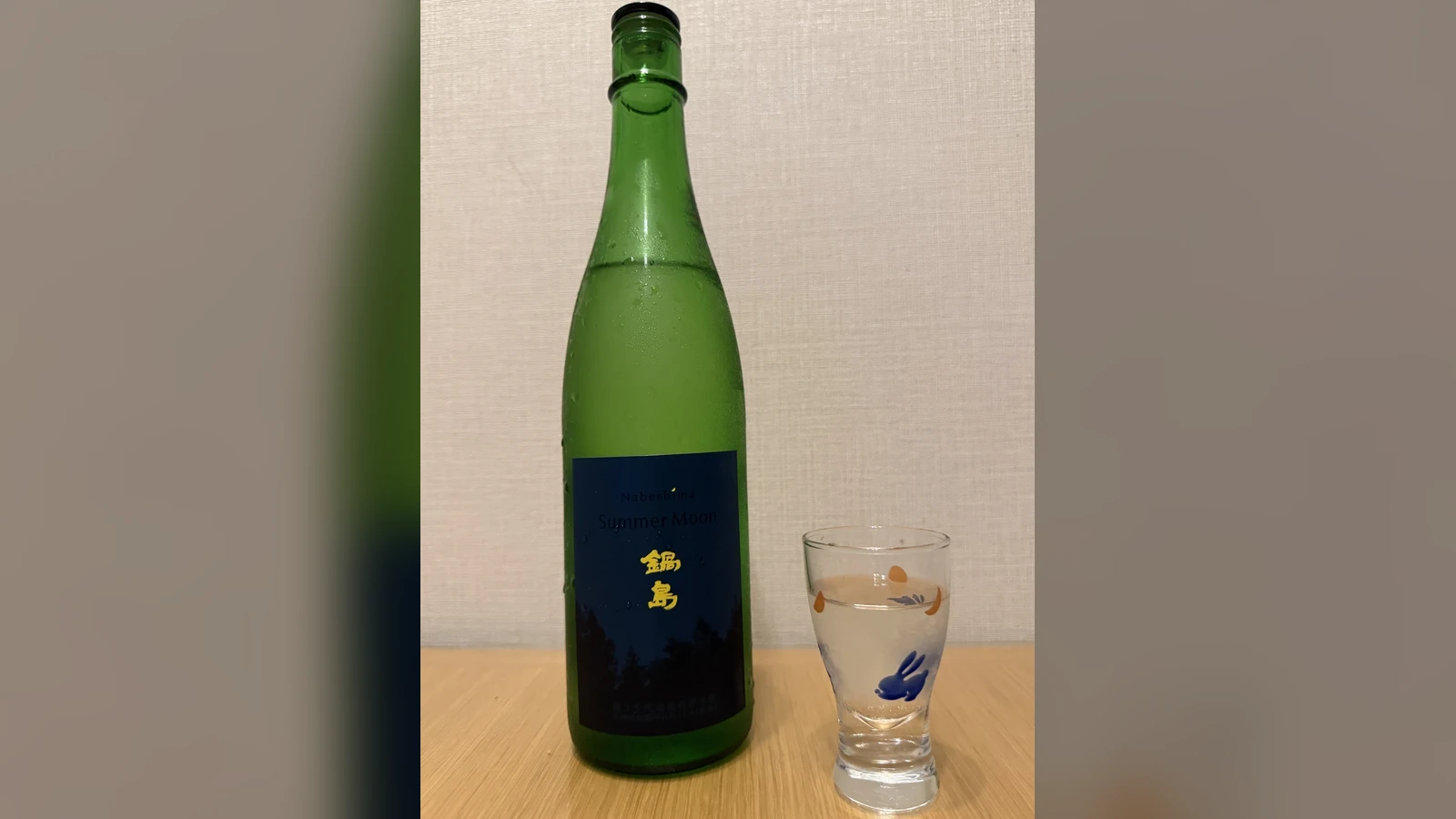
Table of Contents
- What Is Nabeshima Summer Moon?
- Where in Japan
- How I Tasted It
- First Impression
- Tasting Notes
- How Temperature Changed the Sake
- Compared with Other Nabeshima Bottles
- With Food: Especially Good with Yakitori
- Why It Reminded Me of Mii no Kotobuki +14
- Approachability: 3.0 / 5
- Why "Summer Moon" Fits the Sake
- A Note on Availability
- Final Thoughts
This article contains affiliate links. If you buy through my Palate Project link or use my discount code, you may receive a discount, and I may earn a small commission at no extra cost to you — it never changes what I recommend. Full disclosure.
I have tasted several Nabeshima sakes before, and I tend to associate the brand with elegance, fruit, and a polished sense of balance.
Read about my first encounter with the brand in Nabeshima Sake: The Saga Bottle That Made Me Fall in Love with Nihonshu, or see how two other Nabeshima expressions compared in Nabeshima Omachi vs Yamadanishiki.
Nabeshima Summer Moon showed me a slightly different side.
It was lighter, cleaner, and more focused on the finish than I expected. The aroma suggested rice, green apple, and pear, while the palate leaned more toward umami and crispness than overt sweetness.
What stood out most was how naturally it worked with food. I drank it with yakitori, and the sake’s short, clean finish seemed to reset the palate after each bite.
For me, that made Summer Moon feel less like a sake designed to impress with fragrance alone, and more like a bottle made to stay comfortable through a meal.
What Is Nabeshima Summer Moon?
Nabeshima is brewed by Fukuchiyo Shuzo in Kashima, Saga Prefecture.
Summer Moon is a seasonal ginjo release intended for the warmer months. The bottle I tasted was made with 100% Tokujō Yamadanishiki from the former Yoneda Village area of Hyogo Prefecture, polished to 50%, with an alcohol content of 15%.
| Item | Detail |
|---|---|
| Brewery | Fukuchiyo Shuzo |
| Brand | Nabeshima |
| Style | Ginjo |
| Rice | Tokujō Yamadanishiki 100% |
| Rice origin | Former Yoneda Village, Hyogo Prefecture |
| Polishing ratio | 50% |
| Alcohol | 15% |
| Volume | 720ml |
A Ginjo, Not a Junmai Ginjo
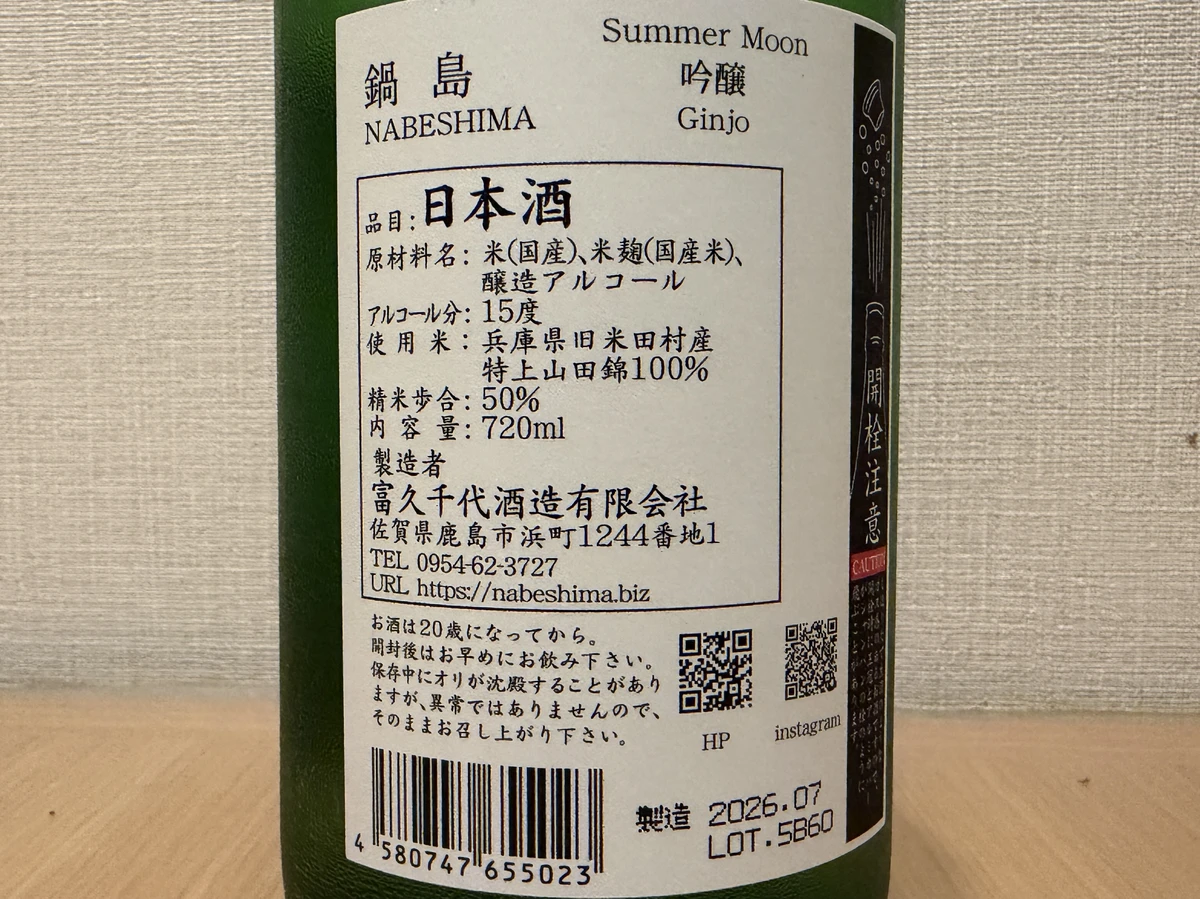
One detail on the back label is worth noticing: the ingredients list includes brewer’s alcohol alongside rice and rice koji. That makes Summer Moon a ginjo rather than a junmai ginjo.
This is not a mark of lower quality, though it is often misread that way outside Japan. A small, deliberate addition of distilled alcohol tends to lighten the body, sharpen the finish, and lift certain aromatic compounds. Given how light and crisp this bottle felt compared with the junmai ginjo Nabeshima bottles I had tasted before, the choice seems very much in line with what a summer sake is trying to do.
If you’re curious how terms like this affect flavor more broadly, I go into more detail in my guide to Muroka, Nama, and Genshu.
Where in Japan
Nabeshima is brewed by Fukuchiyo Shuzo in Hamamachi, Kashima City, Saga Prefecture, on the western side of Kyushu facing the Ariake Sea.
The rice, however, traveled a long way to get there: 100% Tokujō Yamadanishiki grown in the former Yoneda Village area of Hyogo Prefecture, roughly 500 kilometers to the northeast.
I bought this bottle at Jizake-dokoro Tachibana Saketen in Kumamoto City, a specialist sake shop I visit regularly.
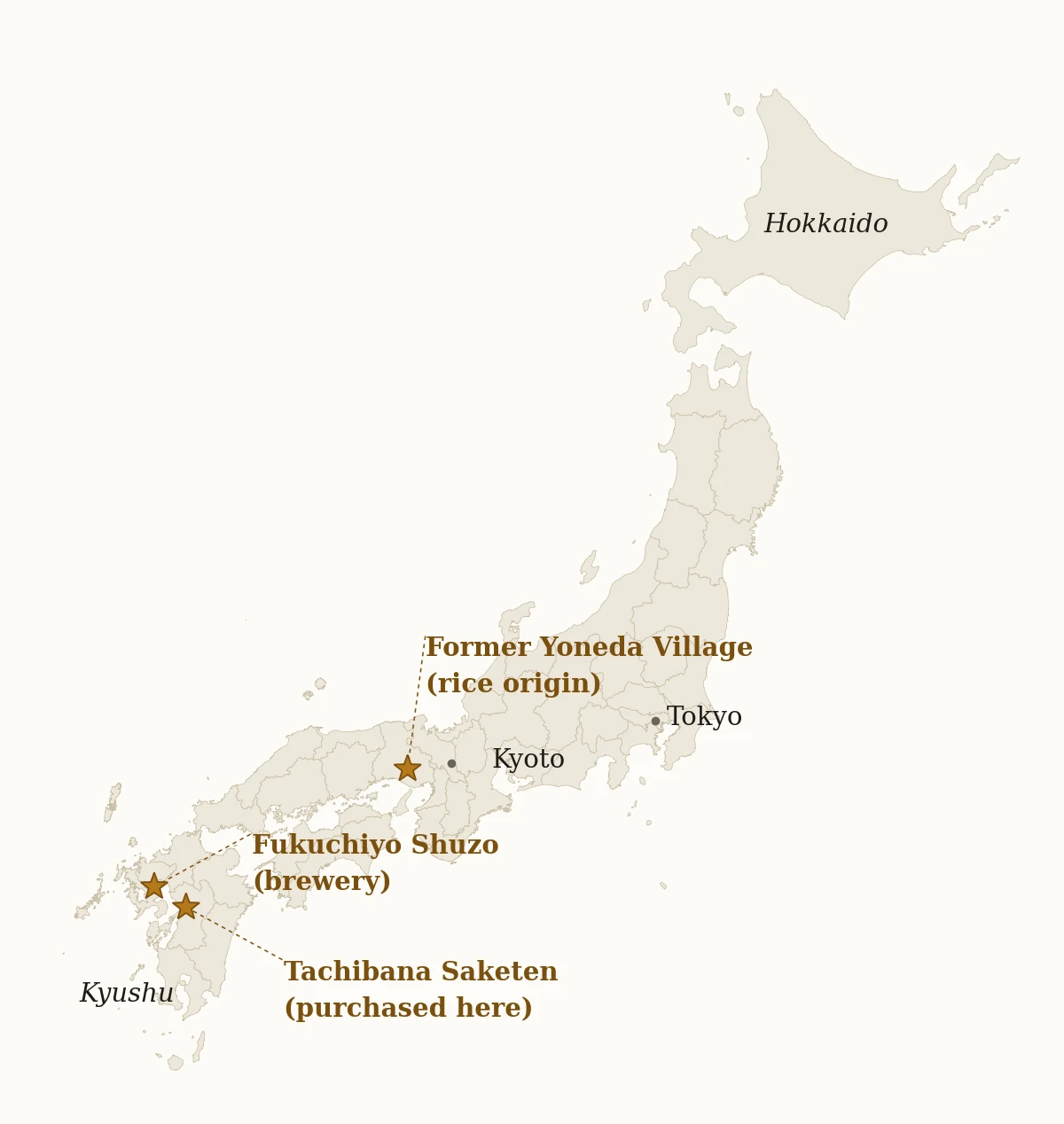
Where in Japan: Nabeshima is brewed by Fukuchiyo Shuzo in Kashima, Saga Prefecture. The Yamadanishiki comes from the former Yoneda Village area of Hyogo. I bought this bottle at Tachibana Saketen in Kumamoto.
How I Tasted It
I opened this 720ml bottle at home on September 3, 2026.
The bottle had been kept in the refrigerator and was opened immediately after taking it out, so it was thoroughly chilled at the first pour. I used a small glass sake cup, tasted it first well chilled, then again as it warmed slightly in the glass, and later alongside yakitori.
First Impression
The sake was clear and colorless, with a slight sense of carbonation. The gas was subtle rather than strongly prickling.
My first impression was not sweetness or flamboyant fruitiness. Instead, I noticed lightness, umami, and a clean finish.
It still had enough flavor to be satisfying, but the overall impression was lighter and more restrained than the Nabeshima bottles I had tasted before.
Tasting Notes
Appearance
Clear and colorless. There was mild carbonation, but it was gentle rather than sharply fizzy.
Aroma
Relatively restrained, with impressions of rice, green apple, and pear. It felt fresh and clean rather than strongly floral or overtly fruity.
Sweetness
Low to medium. Sweetness was present, but it did not dominate. As the sake warmed slightly, it became easier to notice.
Acidity
Low. Acidity stayed in the background rather than defining the sake.
Umami
Medium to high. This was one of the more noticeable elements, giving the sake enough depth even though the overall body was light.
Bitterness
Medium. The bitterness seemed to support the crisp, clean finish.
Body
Light. This was one of the clearest differences compared with richer Nabeshima styles I had tasted before.
Texture
Smooth and straightforward. The slight carbonation added freshness, but the sake did not feel creamy or heavy.
Finish
Short and crisp. This was the most distinctive part of the sake for me. The flavor did not remain for very long, disappearing relatively quickly and leaving a clean impression. I also noticed a mild alcoholic sensation rising through the nose after swallowing.
How Temperature Changed the Sake
Temperature made a noticeable difference.
Very cold, the clean finish and sharpness stood out most strongly, and Summer Moon felt almost entirely about freshness and cut. As it warmed slightly, the sweetness became more noticeable and the overall impression softened.
I preferred the warmer state, because it revealed more of the balance underneath.
Compared with Other Nabeshima Bottles
Compared with the Nabeshima Junmai Ginjo styles I had tasted before, Summer Moon felt less overtly fruity, less focused on aroma, lighter in body, shorter in finish, and slightly sharper and more food-friendly.
See how two other Nabeshima expressions stacked up in Nabeshima Omachi vs Yamadanishiki.
That does not mean it lacked Nabeshima’s character. The umami and balance were still there. But Summer Moon shifted the emphasis away from richness or fragrance and toward drinkability during a meal.
With Food: Especially Good with Yakitori
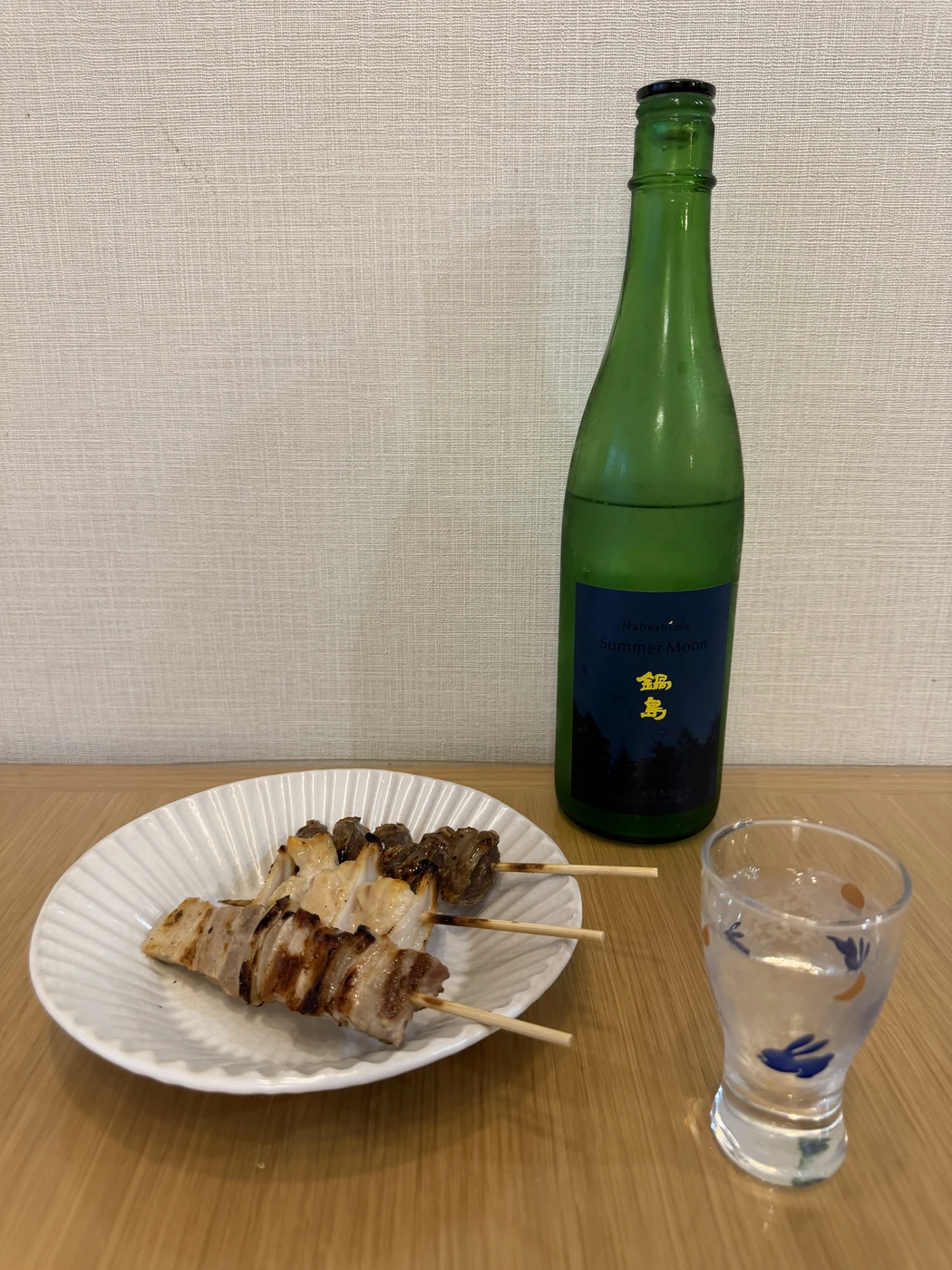
Summer Moon worked very well as a food sake.
I paired it with yakitori, including grilled chicken and richer, fattier pieces. The combination made sense immediately. The sake had enough umami to stay present next to the savory grilled flavors, but its short, crisp finish helped clear the palate after each bite.
That balance made it easy to keep drinking without either the sake or the food becoming tiring. This was one of the clearest strengths of the bottle.
Why It Reminded Me of Mii no Kotobuki +14
Summer Moon also reminded me slightly of Mii no Kotobuki +14 — not because the two sakes tasted the same. Mii no Kotobuki +14 was clearly drier and more assertive.
What felt similar was the role of the finish. Both used a relatively clean, crisp ending to work comfortably with food. Summer Moon was gentler and less dry, but the direction felt somewhat similar.
That comparison helped me understand why I enjoyed it with yakitori.
Read the full comparison in Mii no Kotobuki Fuku vs +14, and see what Sake Meter Value actually means if you’re curious how dryness is measured.
Approachability: 3.0 / 5
I rate Summer Moon 3.0 out of 5 on my approachability scale.
What makes it easy: the body is light, the acidity stays in the background, the gentle carbonation adds freshness, and the finish is short and clean. Nothing about it is demanding.
What holds it back: the sweetness is restrained and the aroma is quiet, so it does not offer the immediate charm that many people respond to when they first try sake. There is also a mild alcoholic sensation through the nose after swallowing, and a medium bitterness that supports the dry finish.
Interestingly, this lands at the same score as Kaze no Mori Akitsuho 657, but for the opposite reason. Kaze no Mori is vivid and fruity yet demanding in alcohol and intensity; Summer Moon is gentle and simple yet reserved in flavor. Both end up moderately approachable by different routes.
If you already enjoy lighter, drier styles — or if you plan to drink sake with dinner rather than on its own — Summer Moon is easy to recommend. If you want a sake that impresses immediately with aroma and fruit, other Nabeshima bottles will make a stronger first impression.
See what Approachability means on this site for the full method behind this score.
Why “Summer Moon” Fits the Sake
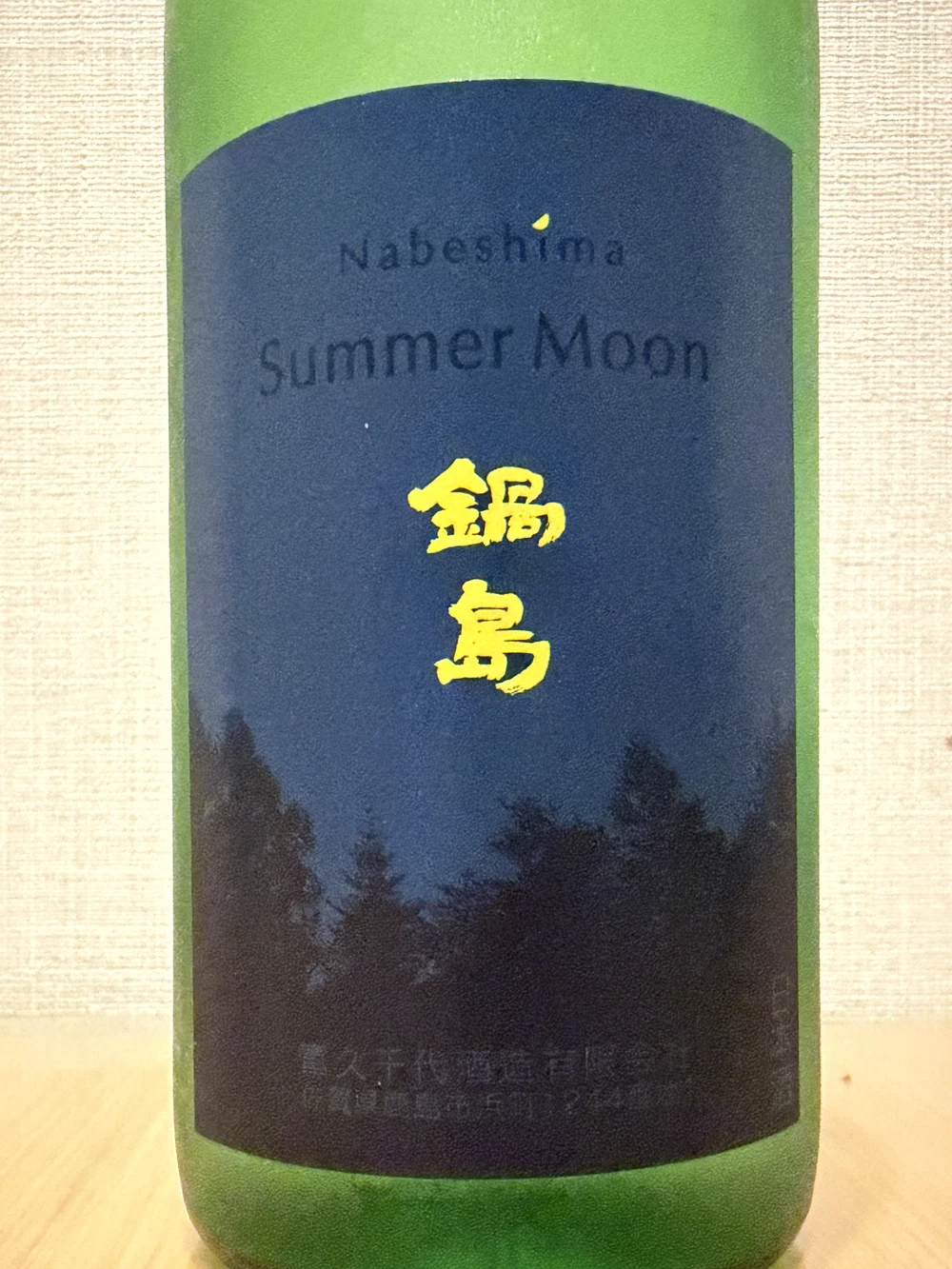
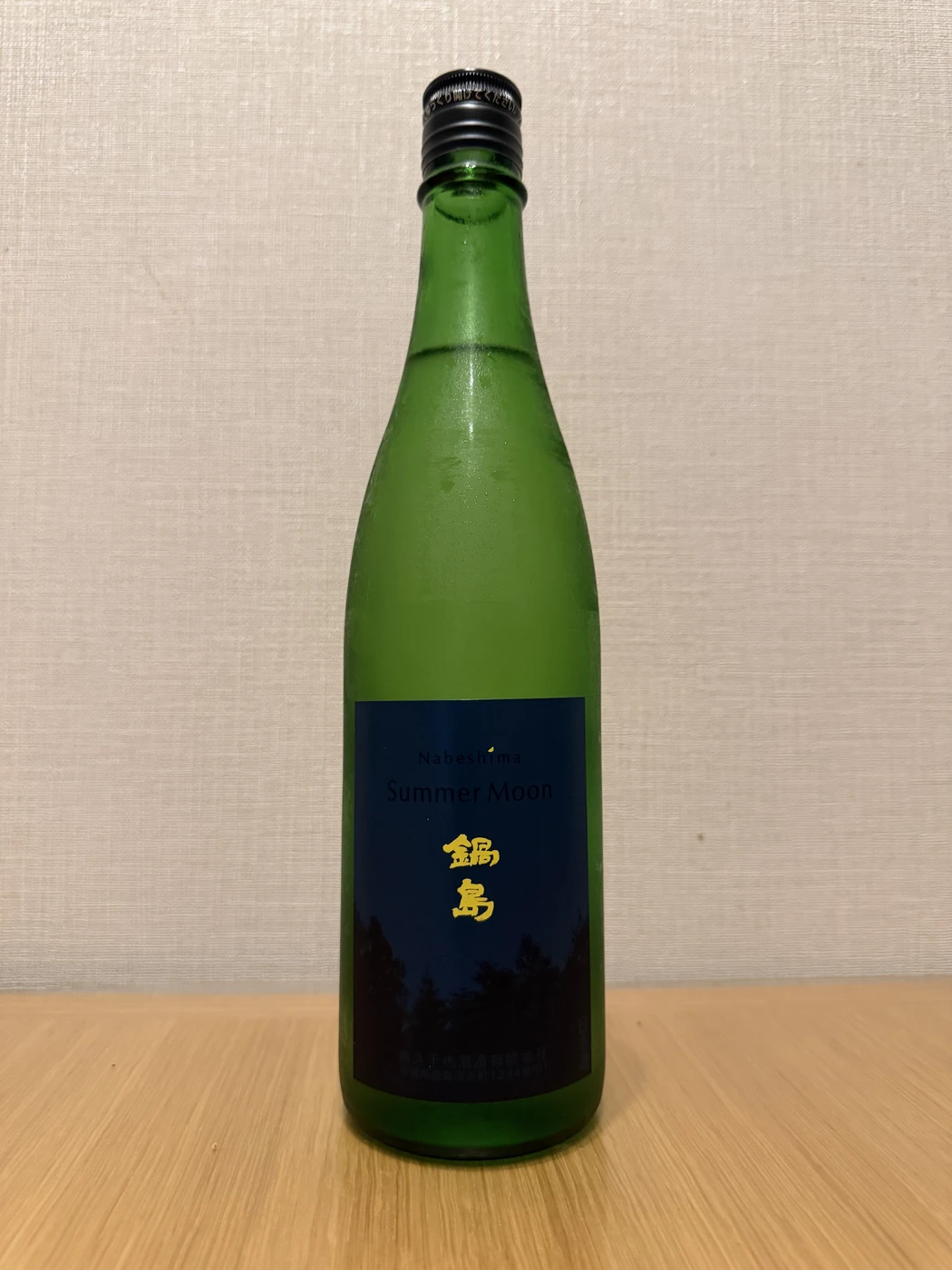
The label and bottle design are noticeably seasonal. The deep blue label, small crescent-moon detail, and dark forest silhouette give the bottle a cool, nighttime atmosphere that suits the name.
That impression matched the sake surprisingly well. Summer Moon did not feel rich, tropical, or intensely fruity. Instead, it felt restrained, cool, and clean. The slight carbonation brought freshness, while the short finish kept the sake from feeling heavy.
For me, the name made sense not because the sake tasted “summery” in an obvious way, but because it felt suited to a warm evening meal when something lighter and cleaner is welcome.
A Note on Availability
Summer Moon is a seasonal release, sold only during the warmer months and only through Fukuchiyo Shuzo’s authorized retailers.
Even within Japan, this is not a bottle you simply add to an online cart. Many Nabeshima retailers do not sell the brand through their web stores at all, asking customers to inquire by phone or email instead. Tachibana Saketen, where I bought this bottle, states openly that it has no plans to sell online — the shop’s position is that its role is to convey each brewery’s character in person.
If you are outside Japan, this particular bottle will be very hard to find. Seasonal releases like this one rarely travel, and availability changes constantly.
What you are more likely to find is a different bottle from the same brewery. At the time of writing, Palate Project (formerly Tippsy) lists two Nabeshima junmai daiginjo expressions in the United States, made with Aiyama and Tankan Wataribune rice. They show the brewery’s more aromatic side, and they are a realistic place to start.
If you’d like to explore Nabeshima or other Saga sake for yourself and you are in the United States, you can browse Japanese sake through Palate Project. My referral link may give you a 10% discount, and I may earn a commission if you make a purchase.
You can also use the discount code FRIEND-BZXDMXW for 10% off.
Final Thoughts
Nabeshima Summer Moon showed me a different side of a brewery I already knew.
What made Summer Moon interesting was precisely how little it relied on overt fruitiness.
The aroma of rice, green apple, and pear stayed restrained, while the palate emphasized umami, mild bitterness, light body, and a crisp finish. As the sake warmed, more sweetness appeared. With yakitori, the bottle became even more convincing, the clean finish making it easy to move between sake and food without heaviness.
Summer Moon works best not as a showcase bottle, but as a light, balanced, food-friendly expression of Nabeshima. That makes it a useful reminder that the same brewery can show a very different personality depending on the season and the bottle.
Read more about how I first fell for this brewery in Nabeshima Sake: The Saga Bottle That Made Me Fall in Love with Nihonshu.
This article contains affiliate links. If you buy through one, I may earn a small commission at no extra cost to you. It never changes what I honestly think.Full disclosure here.
Sake is an alcoholic beverage. This article is intended for readers of legal drinking age in their country — please drink responsibly.