Blog Archive
Every article on The Sake Encounter, organized by category.
🍾Sake11 articles
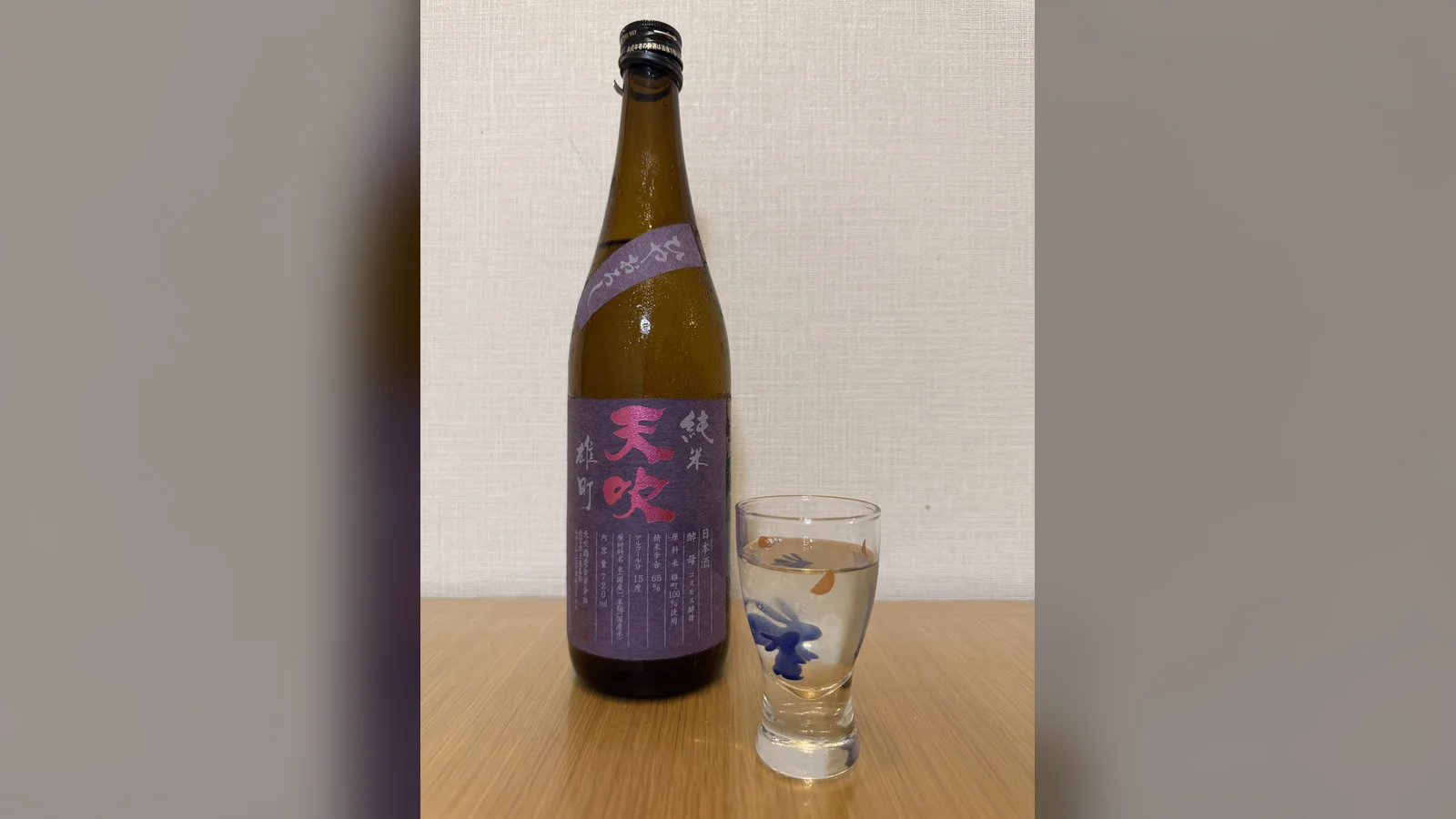
Amabuki Junmai Omachi Hiyaoroshi Review|A Drier Side of Omachi
A tasting review of Amabuki Junmai Omachi Hiyaoroshi, brewed with cosmos flower yeast in Miyaki, Saga. Quiet in aroma, drier than expected, and best understood next to Shichida's Omachi hiyaoroshi.
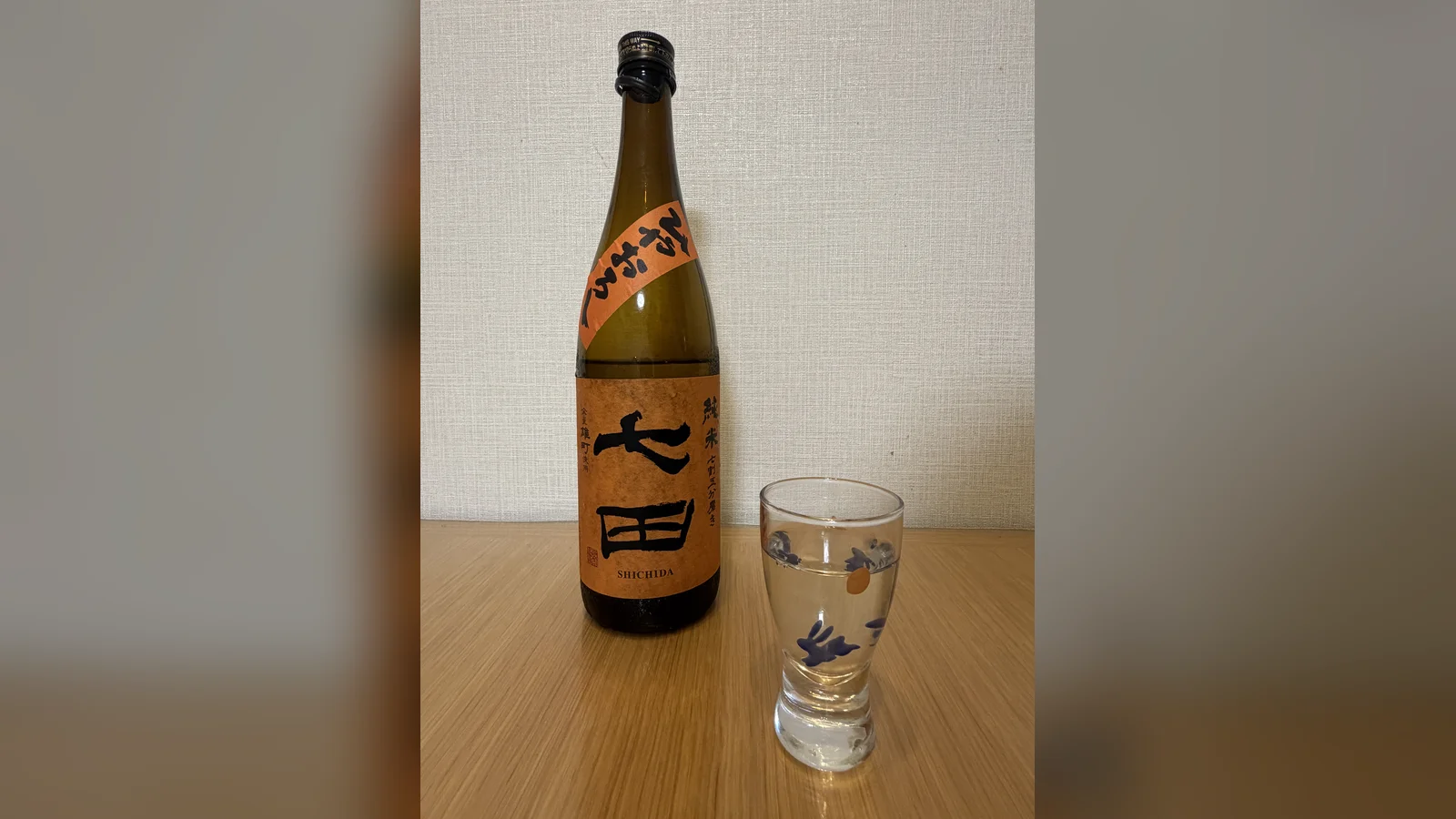
Shichida Junmai Omachi Hiyaoroshi Review|75% Polished, Full-Flavored Yet Clean
A tasting review of Shichida Junmai Omachi Hiyaoroshi from Tenzan Shuzo in Saga. Omachi rice polished only to 75%, rested through summer, full of flavor yet surprisingly clean.
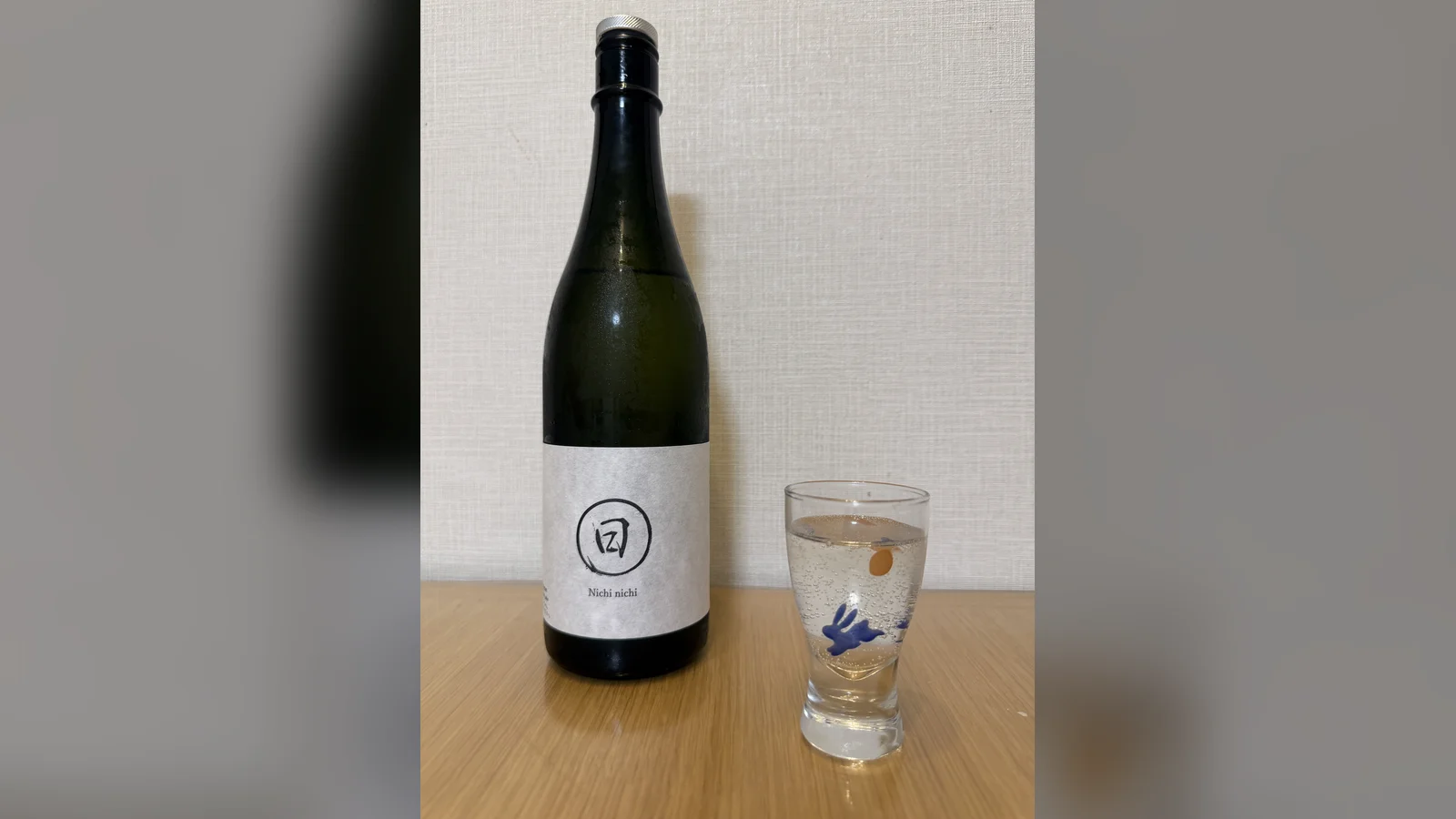
Nichi Nichi Yamadanishiki Review|An 11% Kyoto Sake Built for the Whole Dinner
A tasting review of Nichi Nichi Yamadanishiki from Nichinichi Brewery in Fushimi, Kyoto. Low in alcohol, gently sparkling, and quietly full of umami.
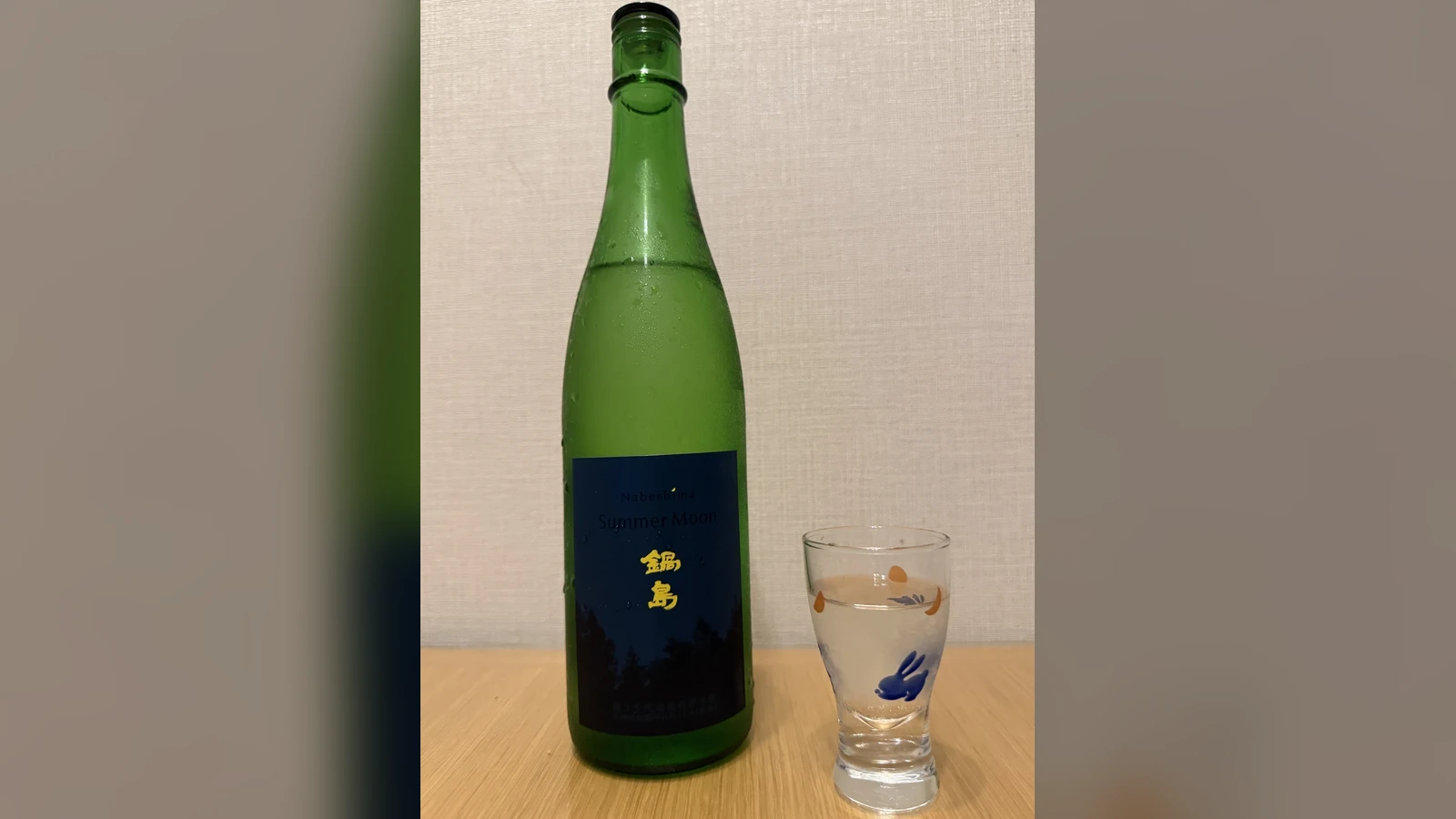
Nabeshima Summer Moon Review|A Crisp, Food-Friendly Side of Nabeshima
A tasting review of Nabeshima Summer Moon, a seasonal ginjo from Fukuchiyo Shuzo in Saga. Light, clean, and built for the dinner table rather than the aroma glass.
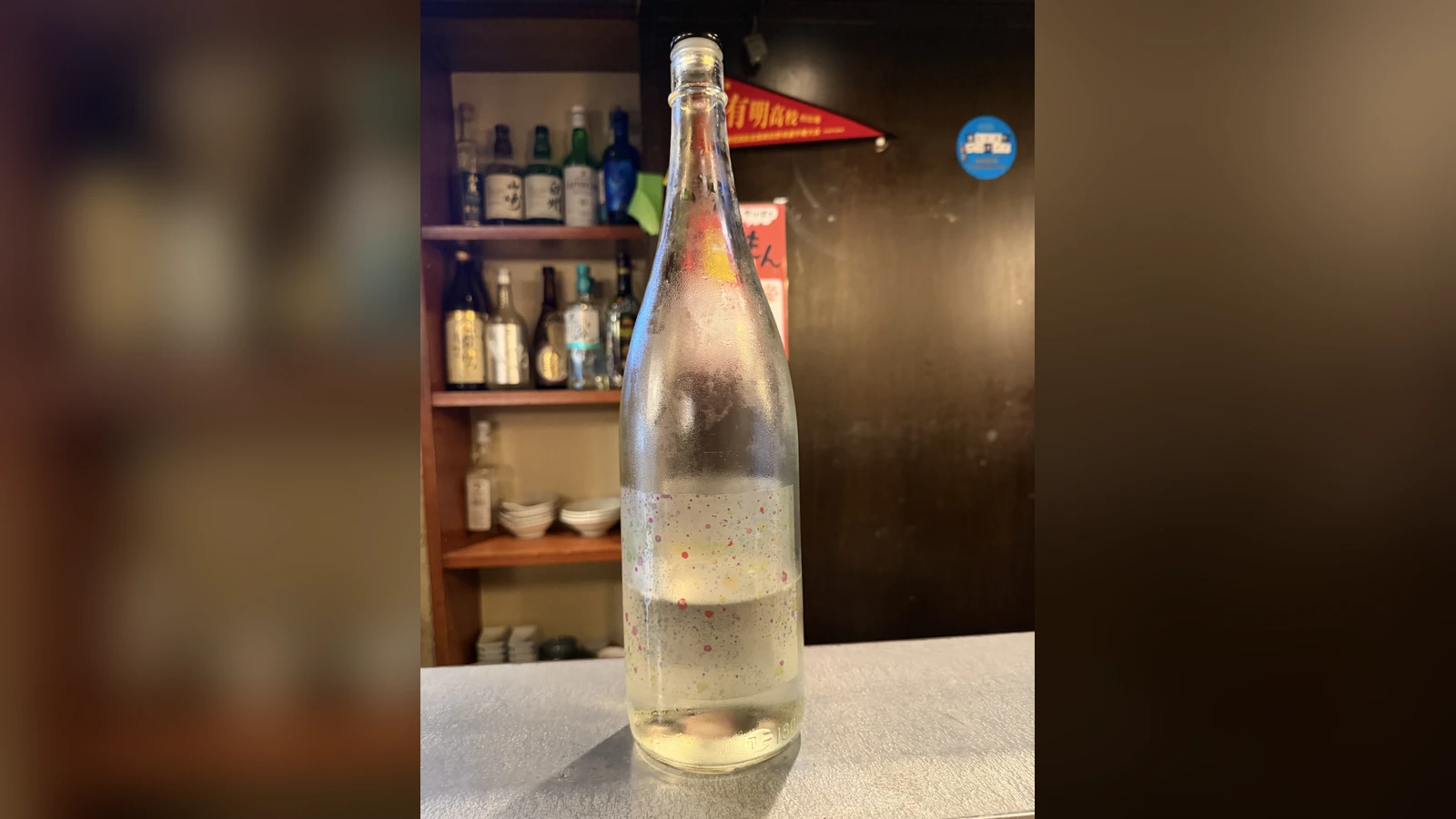
Senkin Senko-Hanabi 2026 Review|A Sake That Fades Like a Japanese Sparkler
A review of Senkin Senko-Hanabi 2026, a seasonal sake from Tochigi enjoyed at a Kumamoto izakaya, and why its lingering, fading finish makes the name feel just right.
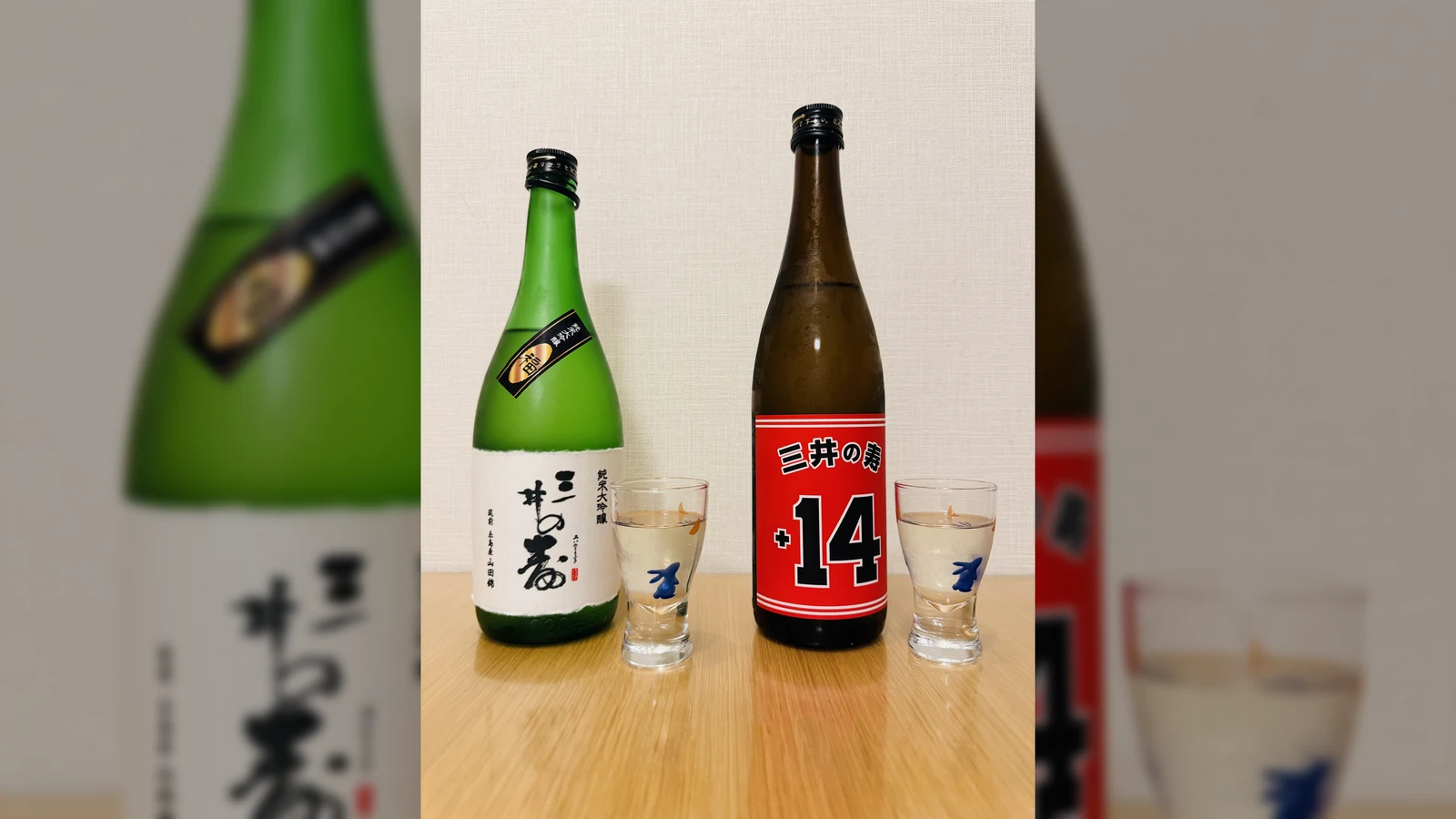
Mii no Kotobuki Fuku vs +14: Two Very Different Sakes from One Fukuoka Brewery
A side-by-side tasting of two Mii no Kotobuki sakes from Tachiarai, Fukuoka: the elegant, fruity Junmai Daiginjo Fuku and the sharp, dry Junmai Ginjo +14, paired with cured ham.
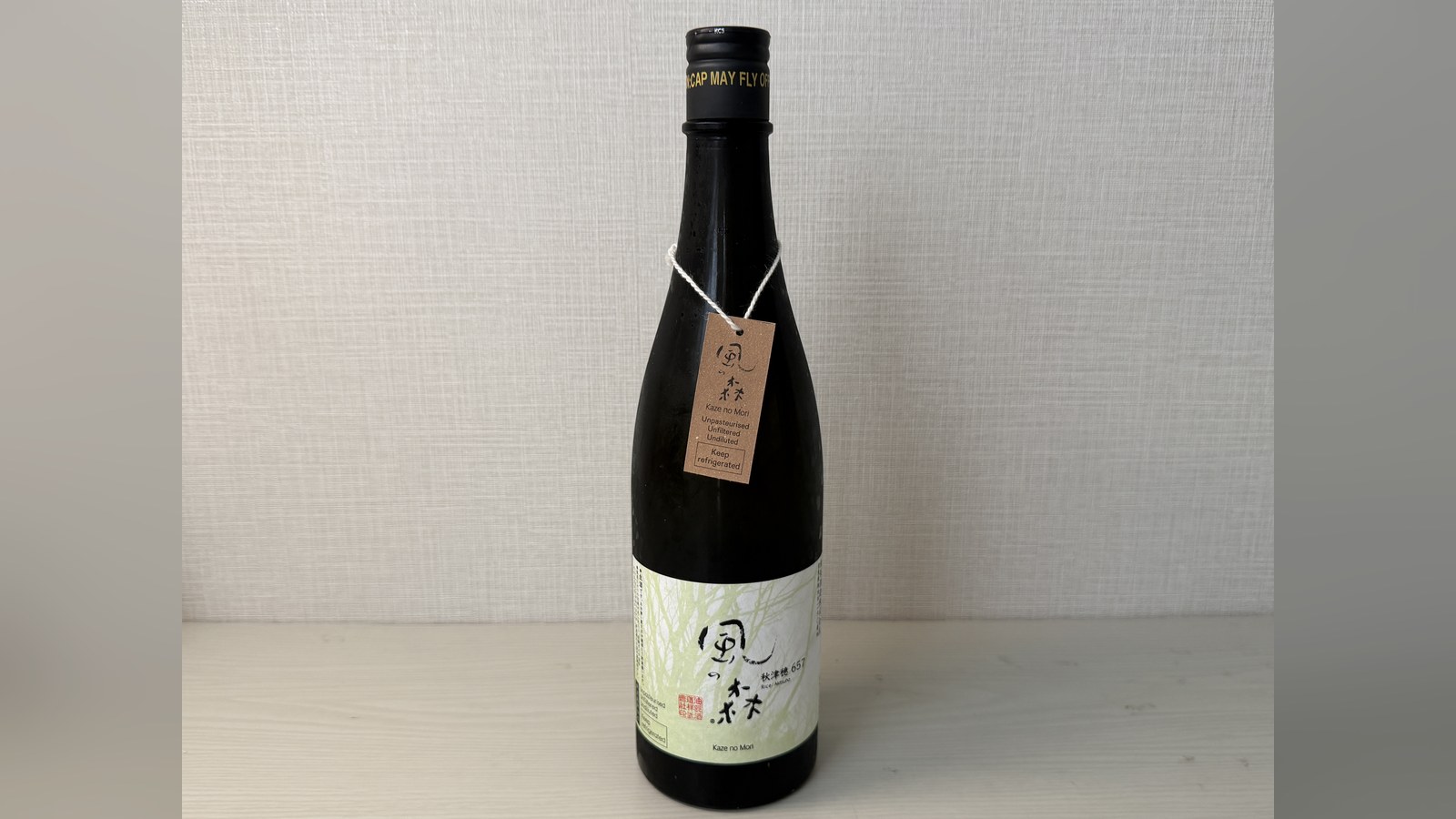
Kaze no Mori Akitsuho 657 Review: Fruity, Rice-Driven, and Full of Nama Sake Energy
A hands-on Kaze no Mori Akitsuho 657 review, following its fruit, rice-driven umami, natural fizz, and flavor changes from opening day to one week later.
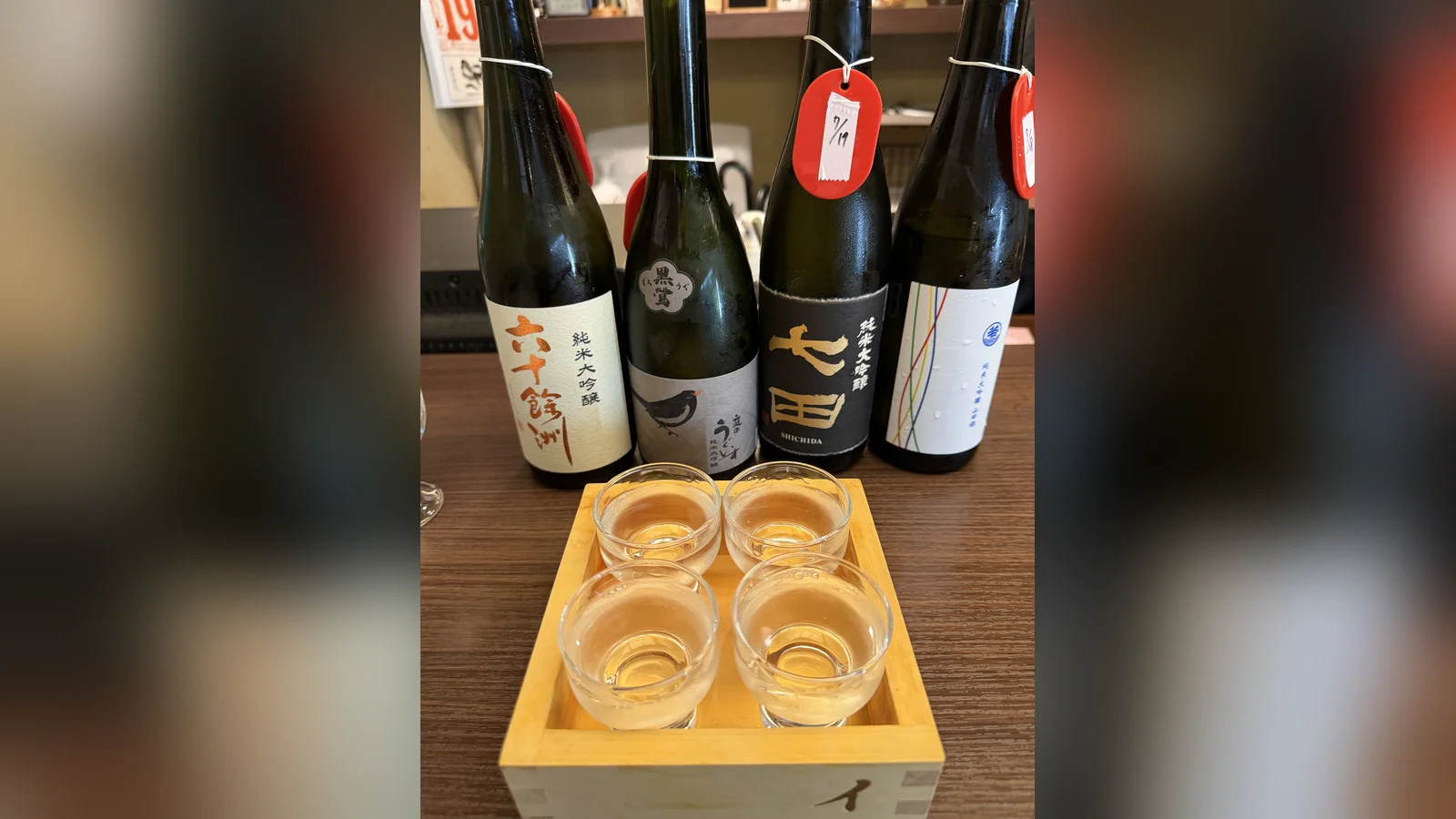
Four Kyushu Sakes in a Wooden Masu: A Tasting Flight at Sumiyoshi Shuhan, Hakata Station
A quick sake tasting at Sumiyoshi Shuhan inside Hakata Station: four Kyushu junmai daiginjo, a wooden masu, mentaiko with mozzarella, and thirty minutes before the shinkansen.
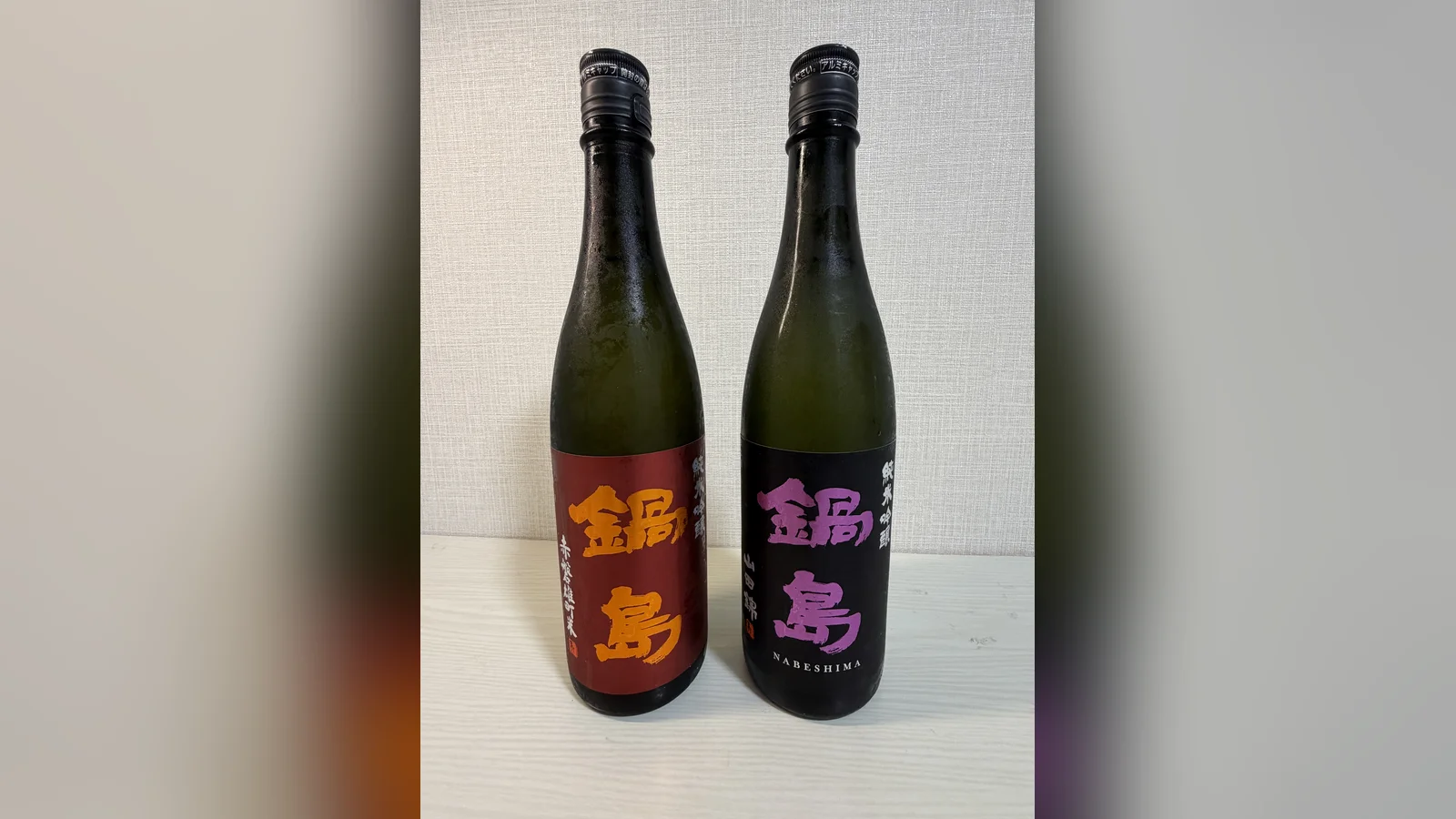
Nabeshima Omachi vs Yamadanishiki: A Side-by-Side Sake Tasting
Two Nabeshima Junmai Ginjo—Akaiwa Omachi and Yamadanishiki—tasted side by side to compare aroma, texture, finish, and food pairing.
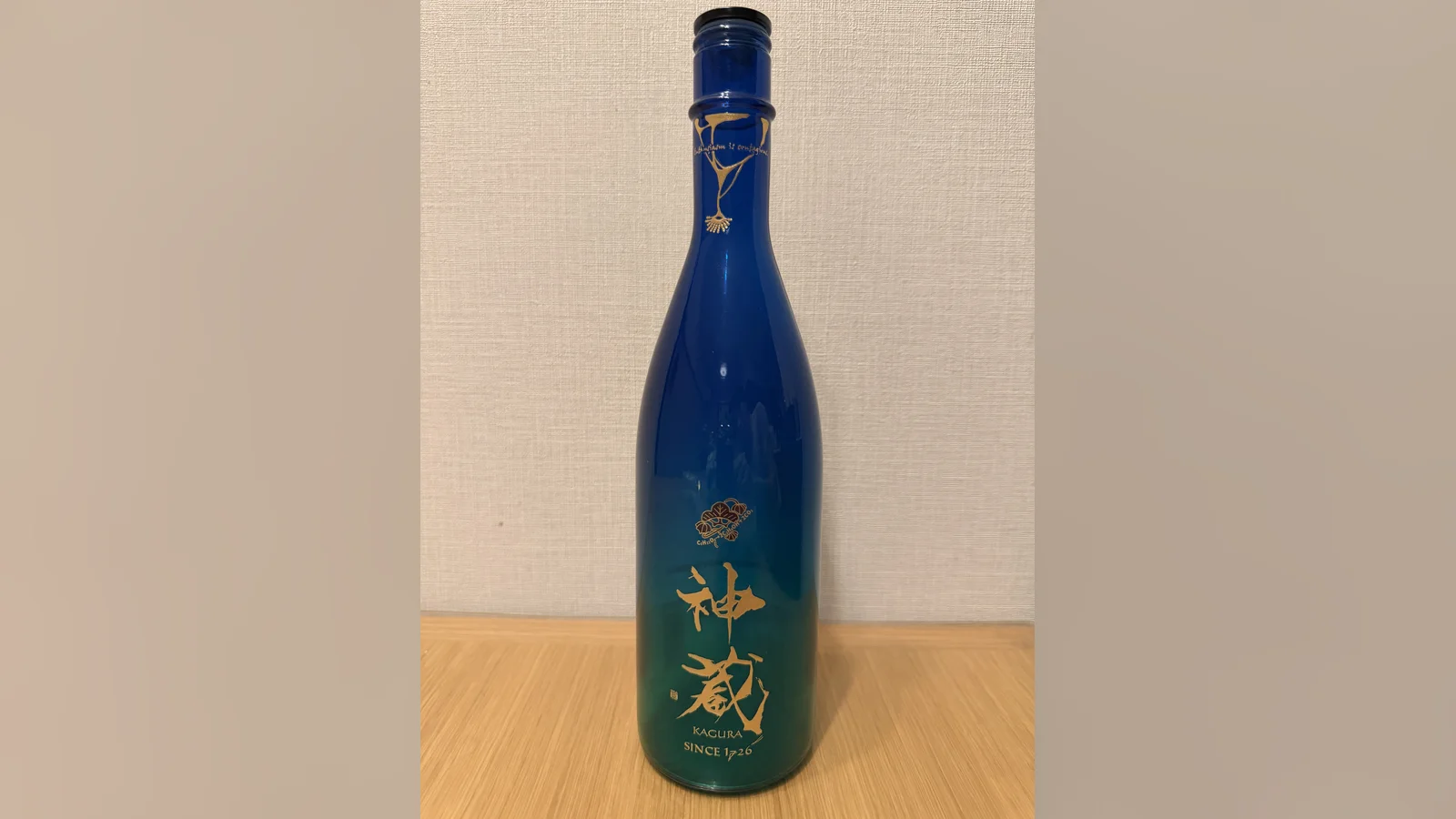
Kagura Ruri Sake: The Kyoto Junmai I Chased from My Favorite Sake Bar to Kyoto Station
How a bottle I kept meeting at my local sake bar led me to Matsui Shuzo's Kagura Ruri in Kyoto — an unfiltered, undiluted junmai that went on to win a trophy at IWC 2026.
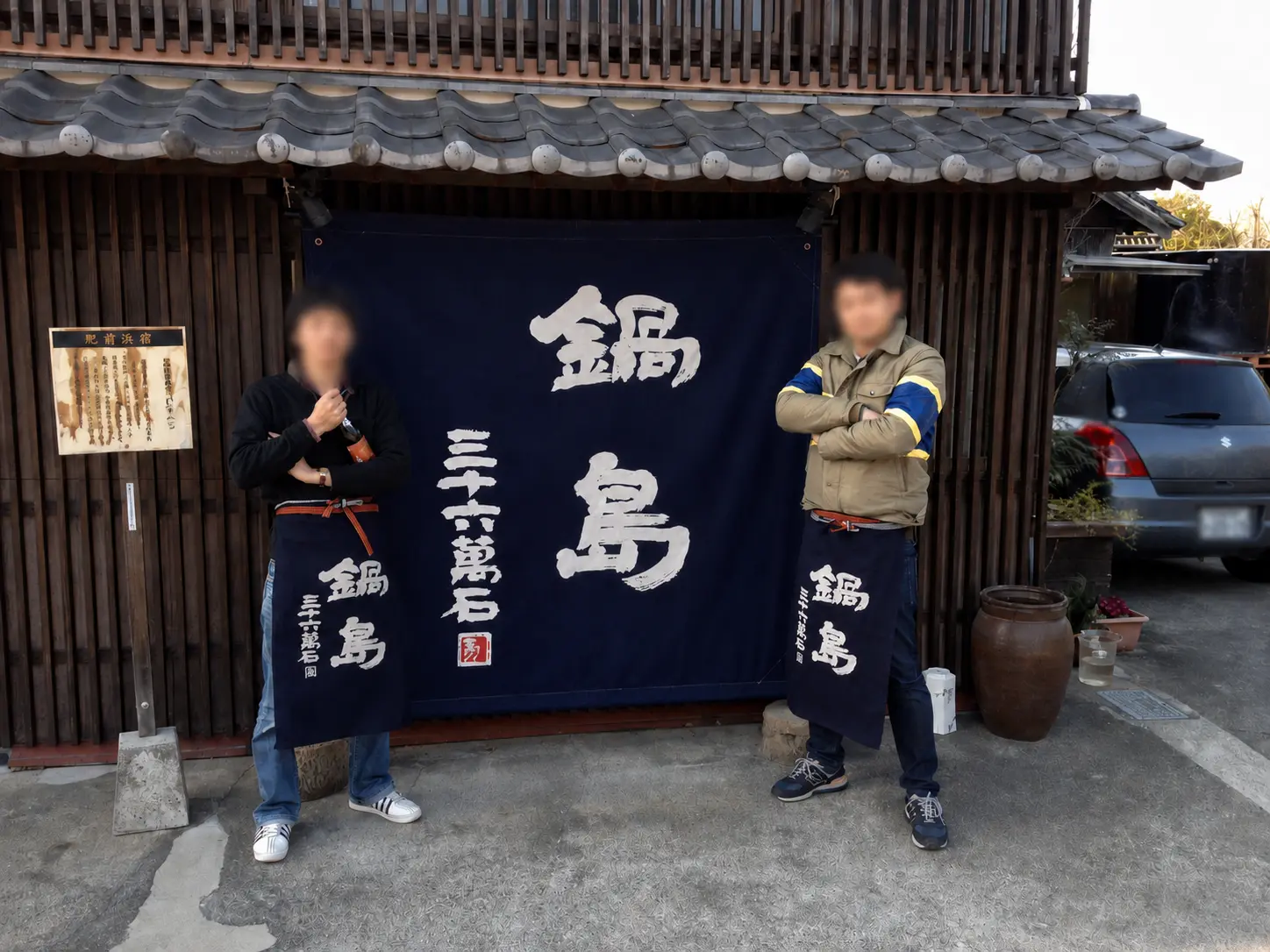
Nabeshima Sake: The Saga Bottle That Made Me Fall in Love with Nihonshu
A personal introduction to Nabeshima sake from Fukuchiyo Shuzo in Kashima, Saga — the bottle that changed my mind about nihonshu and started The Sake Encounter.
🏺Sake Ware5 articles
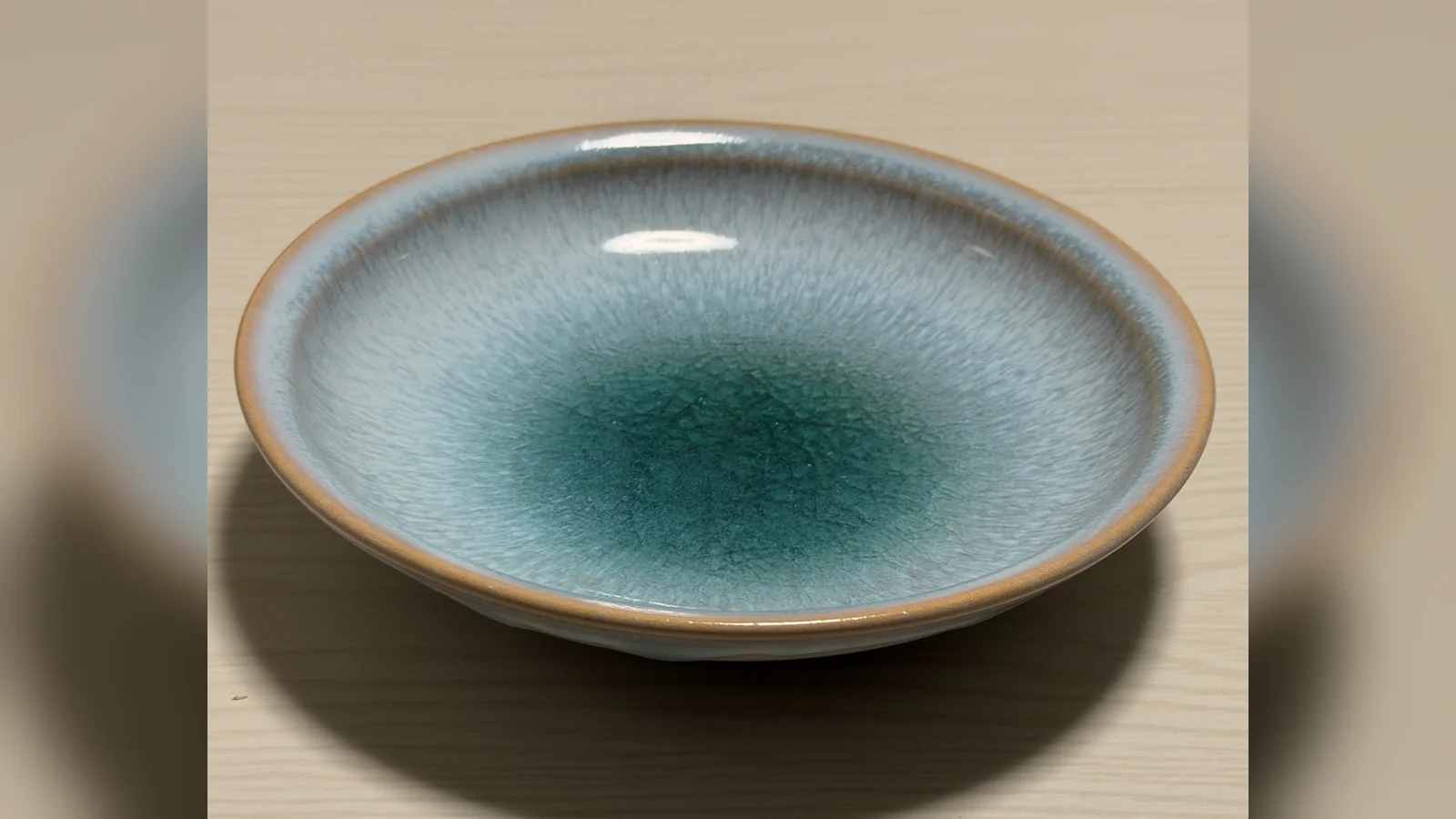
Hagi Ware Plate by Tenryu Kiln|My Mukozuke for Sashimi and Sake
A blue Hagi ware plate by Tenryu Kiln, found by chance at a ceramics fair in Kitakyushu, now my go-to mukozuke-style dish for sashimi with sake.
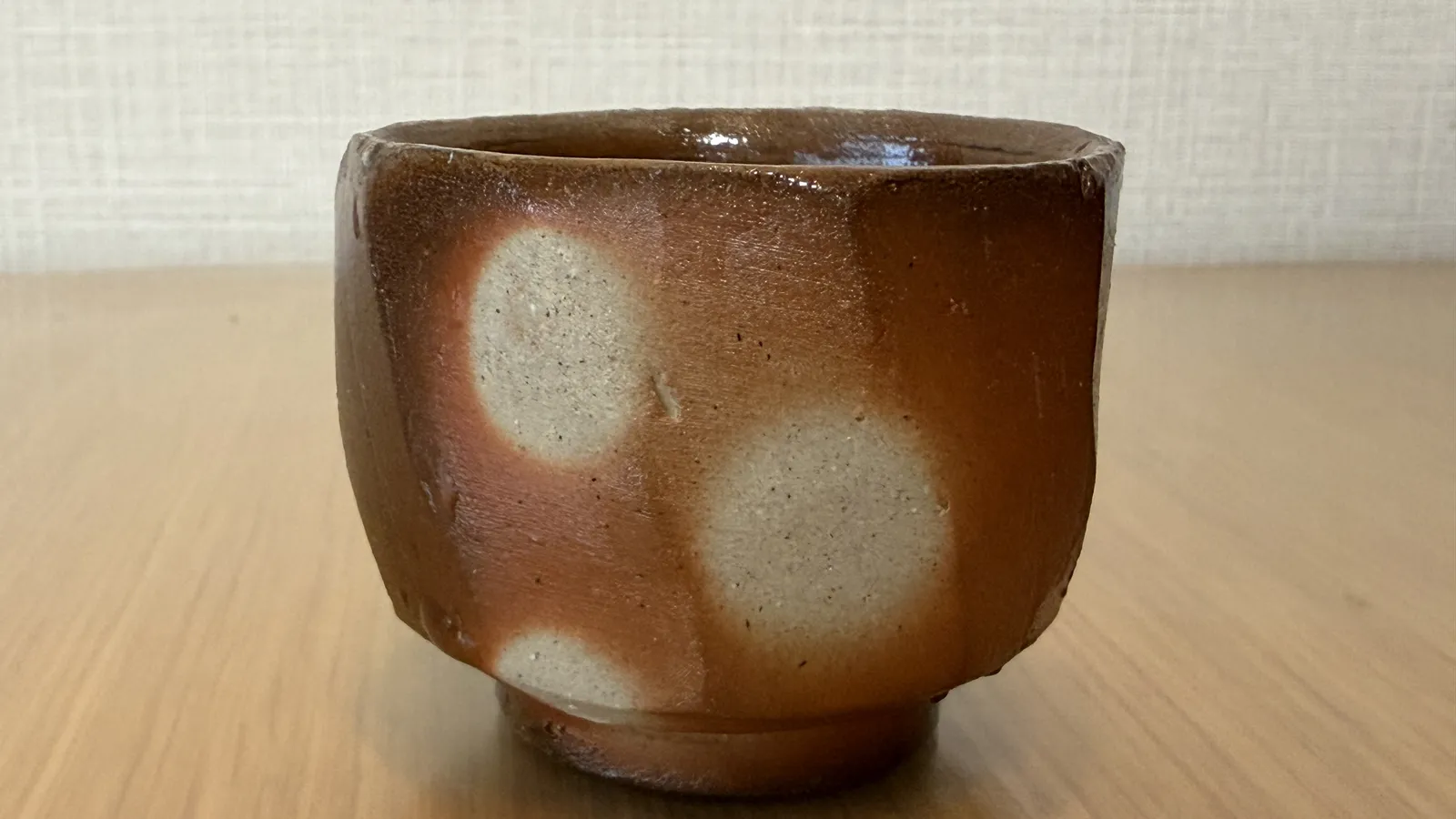
Bizen Ware Guinomi by Ryohei Sakai: Clay, Fire, and a Sake Cup with No Glaze
A Bizen ware guinomi by potter Ryohei Sakai of La Bizen, found at a pottery fair in Kokura, Kitakyushu. Its unglazed texture, the three pale circles left by the firing, what the potter told me at his booth, and what happened when I poured Shichida hiyaoroshi into it.
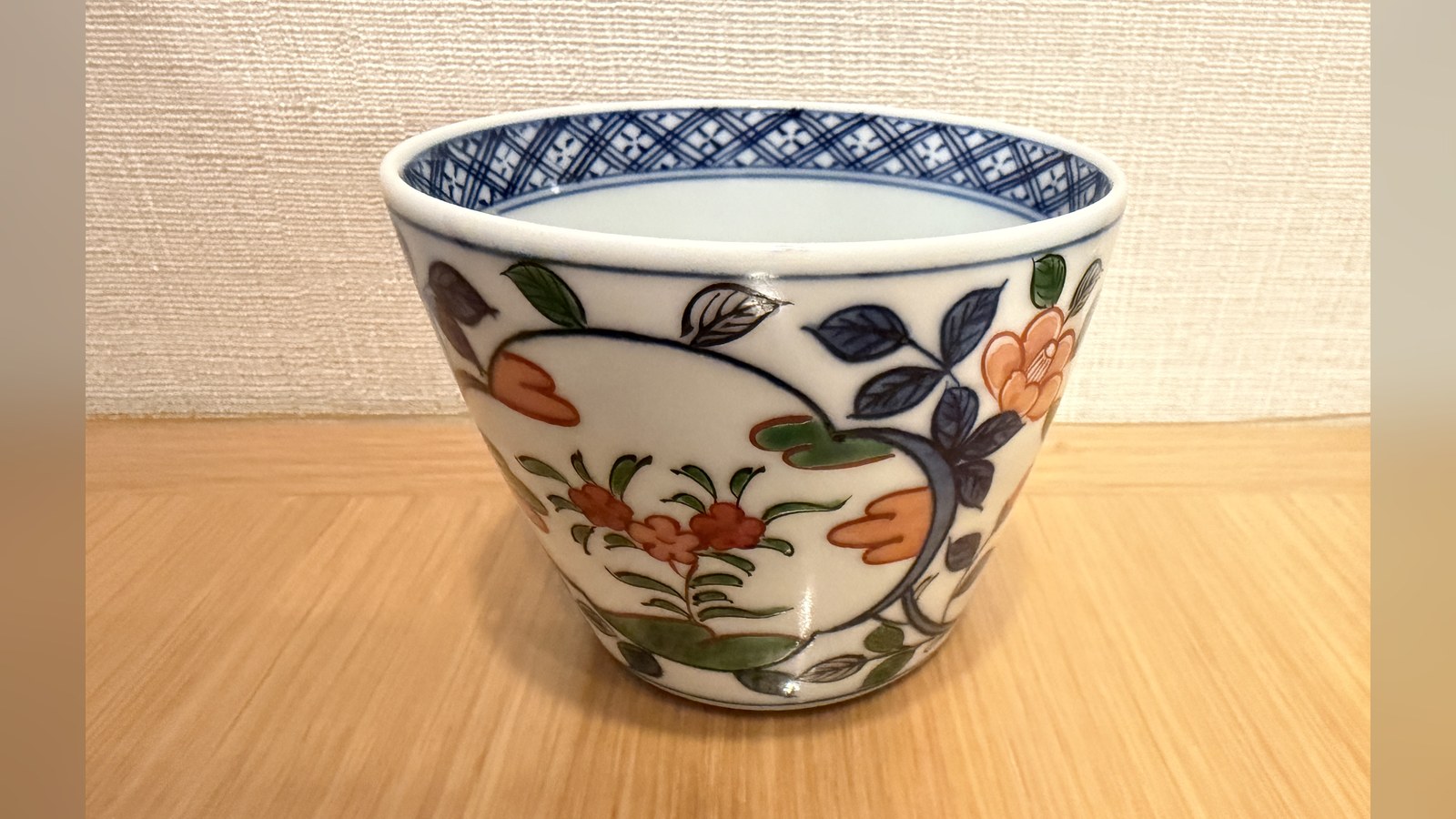
Gen-emon Kiln Soba Choko: Arita Porcelain for Sake and Somen
Discover a Gen-emon Kiln soba choko from Arita, Japan, and how I use this versatile porcelain cup for sake, somen, small dishes, and dessert.
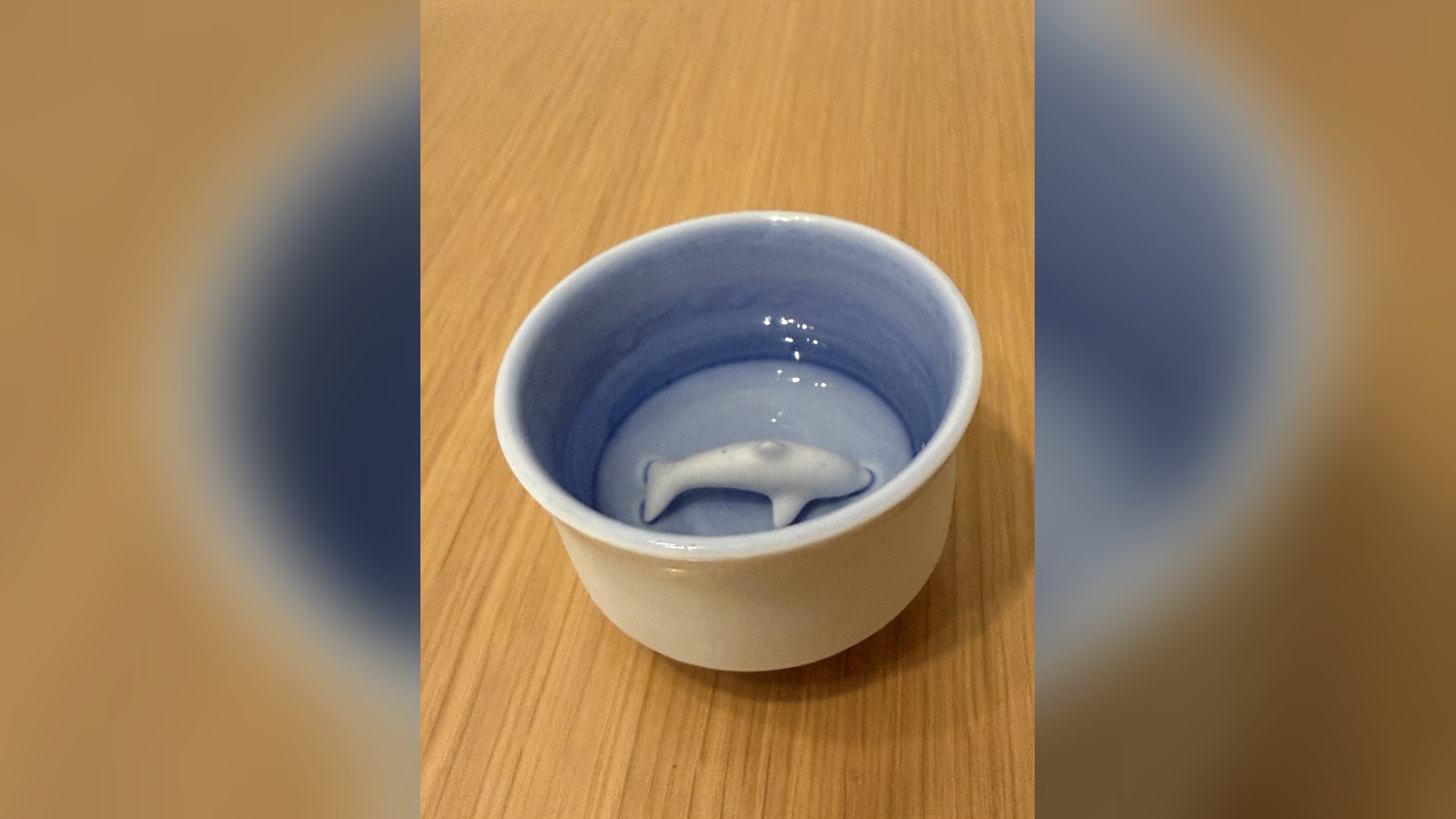
Takahama Ware Guinomi: A Dolphin Sake Cup from Amakusa's Porcelain Tradition
This Takahama Ware guinomi hides a dolphin beneath the sake. It connects my memories of living in Amakusa with the region's porcelain stone and ceramic tradition.
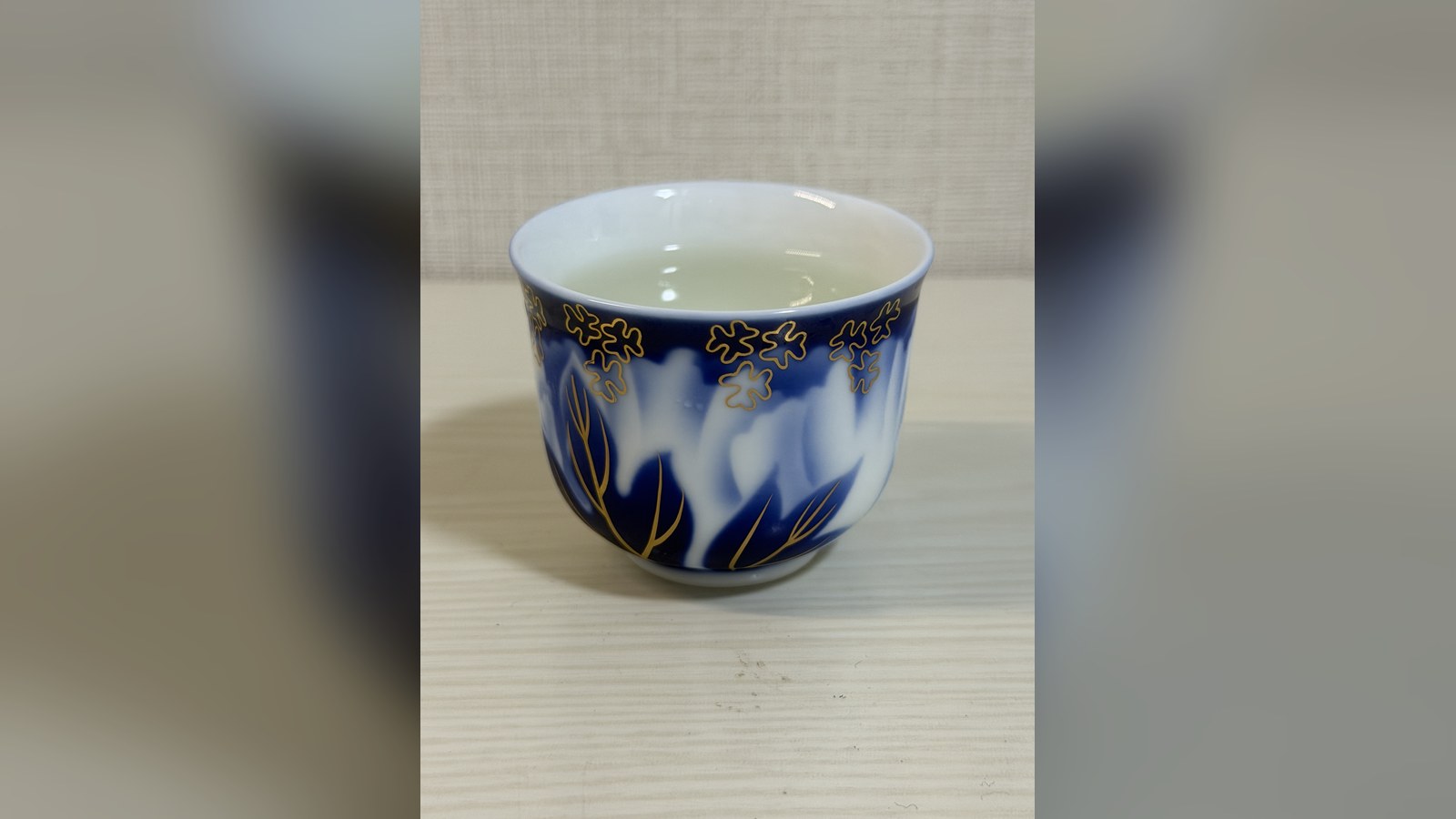
Fukagawa Seiji Botan Kinmiru Guinomi: A Cobalt-and-Gold Sake Cup I Found in Hakata
I found a Fukagawa Seiji Botan Kinmiru guinomi at the brand's Hakata store. Here is how its cobalt blue, gold details, thin rim, and white porcelain interior shape the sake experience.
📖Guides2 articles
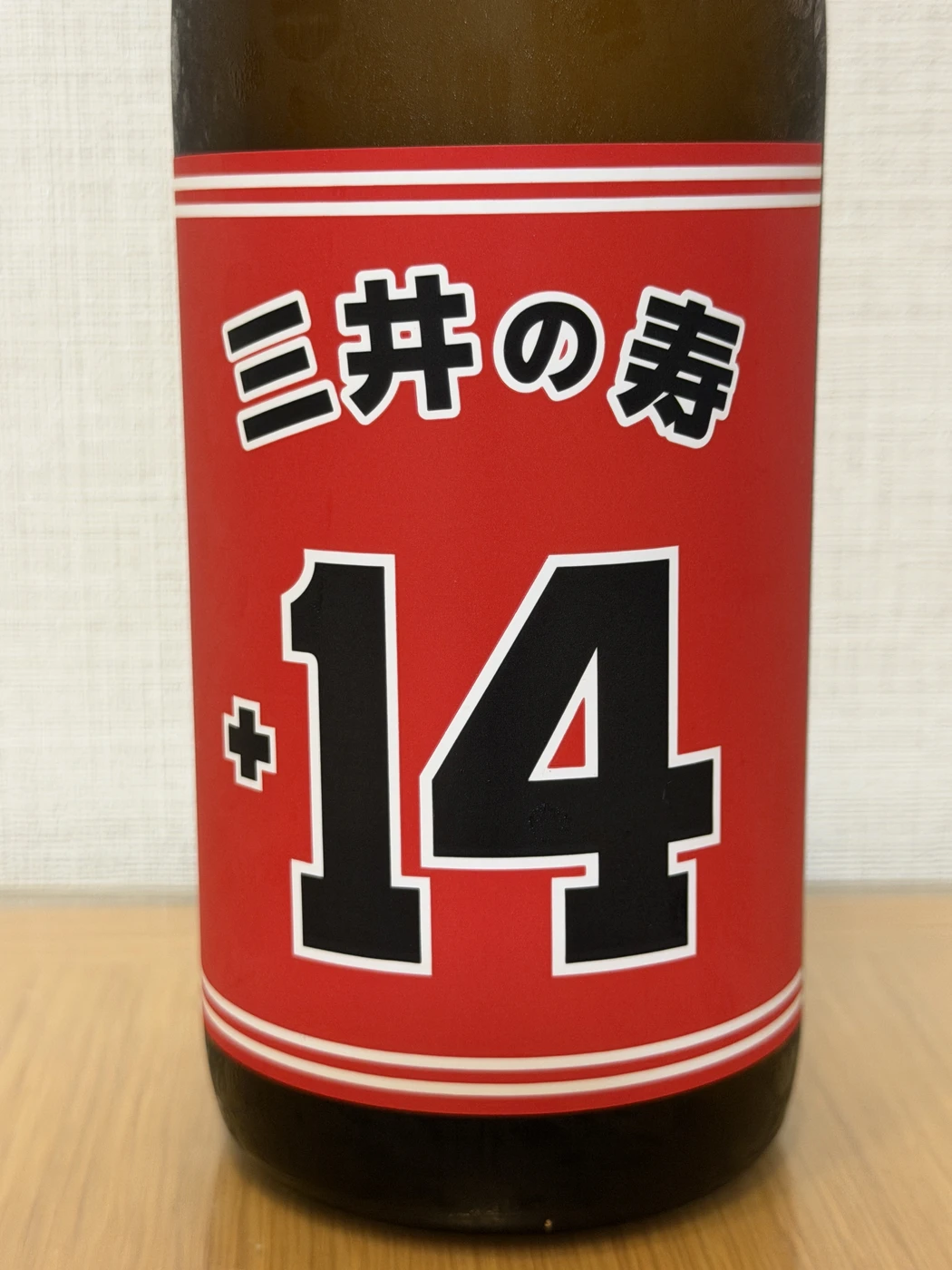
What Does +14 Mean on a Sake Label? Understanding the Sake Meter Value
What does +14 mean on a sake label? A guide to the Sake Meter Value, what nihonshudo actually measures, and why a single number cannot explain how a sake tastes.
- 📖
Muroka, Nama, and Genshu Explained: What These Sake Label Terms Mean
What do muroka, nama, and genshu mean? Learn how unfiltered, unpasteurized, and undiluted sake differ, using bottles I actually tasted in Japan.