
Tatsuriki Banshu Karakuchi Hiyaoroshi Review | A Dry, Umami-Driven Autumn Sake for Food
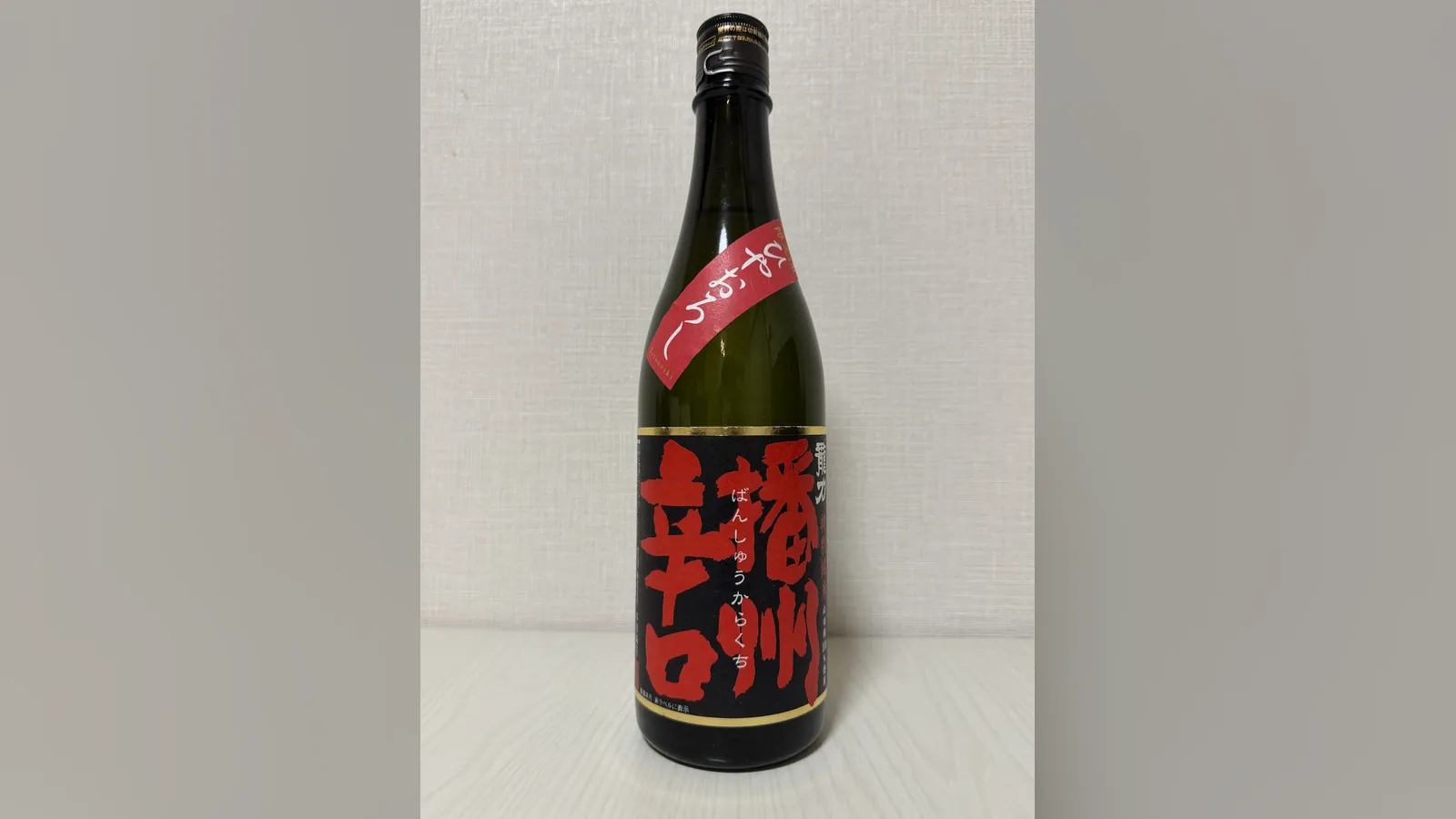
Table of Contents
This article contains affiliate links. If you buy through my Palate Project link or use my discount code, you may get 10% off as a first-time customer, and I may earn a small commission at no extra cost to you — it never changes what I recommend. Full disclosure.
Some sakes introduce themselves with fruit. This one introduced itself with dryness.
Tatsuriki Tokubetsu Junmai Banshu Karakuchi Hiyaoroshi is an autumn release from Honda Shoten in Himeji, Hyogo Prefecture. Karakuchi means “dry,” and the name is honest: my first impression was a firm, dry character paired with solid rice umami—reminding me of the very dry Mii no Kotobuki +14 I reviewed earlier.
It isn’t the sake I’d hand to someone tasting sake for the first time. But with yakitori on the table, it made a lot of sense.
If you enjoy dry, savory drinks that work alongside food, this is a hiyaoroshi worth looking for.
At a Glance
| Item | Detail |
|---|---|
| Brewery | Honda Shoten (Himeji, Hyogo) |
| Product | Tatsuriki Tokubetsu Junmai Banshu Karakuchi Hiyaoroshi (limited release) |
| Category | Tokubetsu junmai, hiyaoroshi |
| Rice | Yamadanishiki 100% (grown in Hyogo’s Toku-A production areas) |
| Rice polishing ratio | 65% |
| Alcohol | 15% |
| Volume | 720 ml |
| Ingredients | Rice, rice koji |
| Bottling date on label | October 2026 |
| Price | ¥1,815 (tax included) |
| Purchased | Tobu Shuhan, October 31, 2026 |
| Opened | November 7, 2026 |
| Approachability | 2.5 / 5 |
What Is Tatsuriki Banshu Karakuchi Hiyaoroshi?
Banshu is the old name for the region around Himeji in western Hyogo, and Banshu Karakuchi is Tatsuriki’s dry junmai. According to the back label, this sake is made entirely with Yamadanishiki grown in Hyogo’s designated Toku-A production areas, which are especially renowned for cultivating this premium sake rice. The label describes its aim as rice umami in the first half of the palate, followed by a crisp, dry finish.
This hiyaoroshi version was pressed in winter, then stored and matured through the summer before its autumn release. That fits the style: hiyaoroshi is seasonal sake rested over the warm months and released when the weather cools, often with more rounded umami than a fresh spring release.
The front label is hard to miss: huge red brushstroke characters on black, with a red “hiyaoroshi” sash across the shoulder.
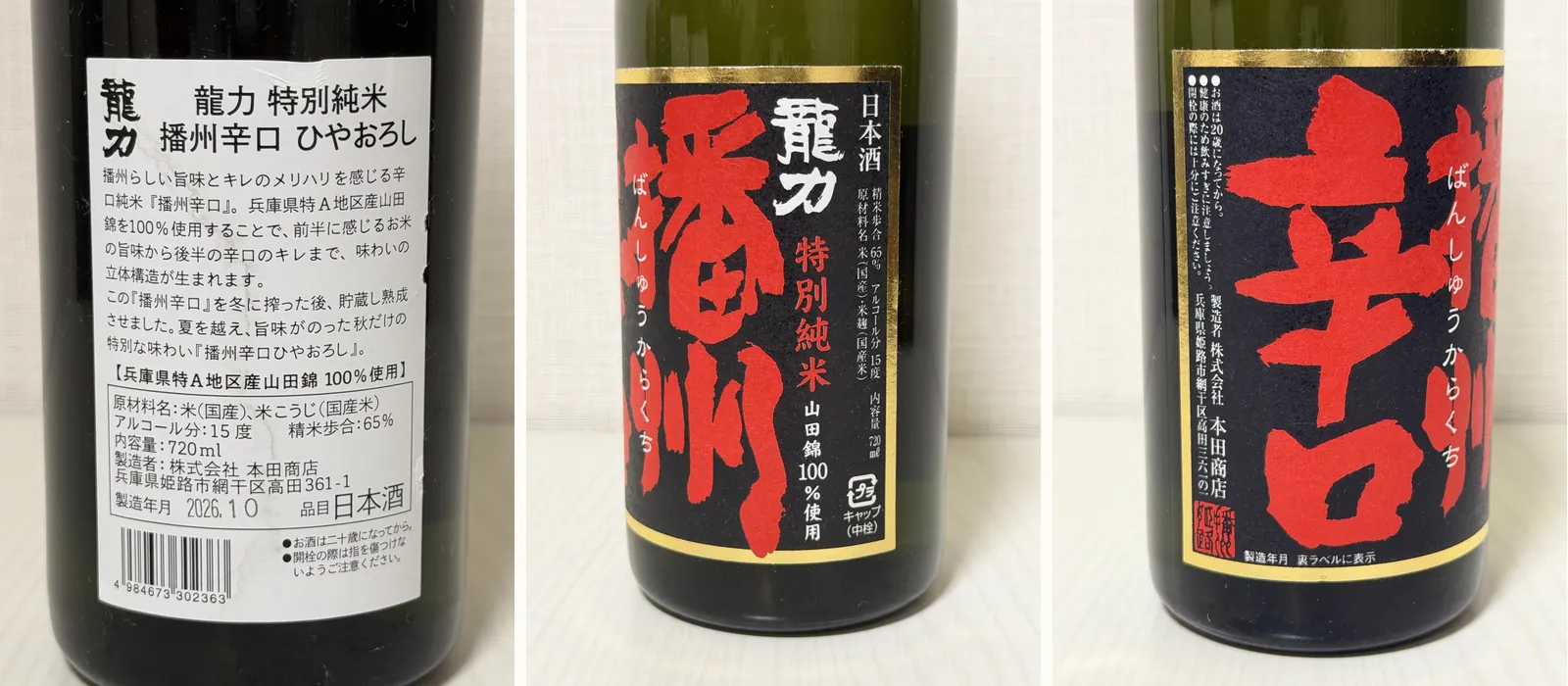
The labels: Toku-A Yamadanishiki, 65% polishing, 15% alcohol.
Where I Bought It
I bought this bottle at Tobu Shuhan, a sake shop in Higashi Ward, Kumamoto, on October 31, 2026, for ¥1,815 including tax. That is a very reasonable price for a tokubetsu junmai made from Toku-A Yamadanishiki.
Tobu Shuhan is an unusual shop. It’s connected by an indoor passage to the fish shop next door, Uosei, and from 4 p.m. it offers kakuuchi—drinking inside the liquor store itself. You can pick up sashimi next door and enjoy it with a glass of sake right there, or simply buy a bottle and take it home.
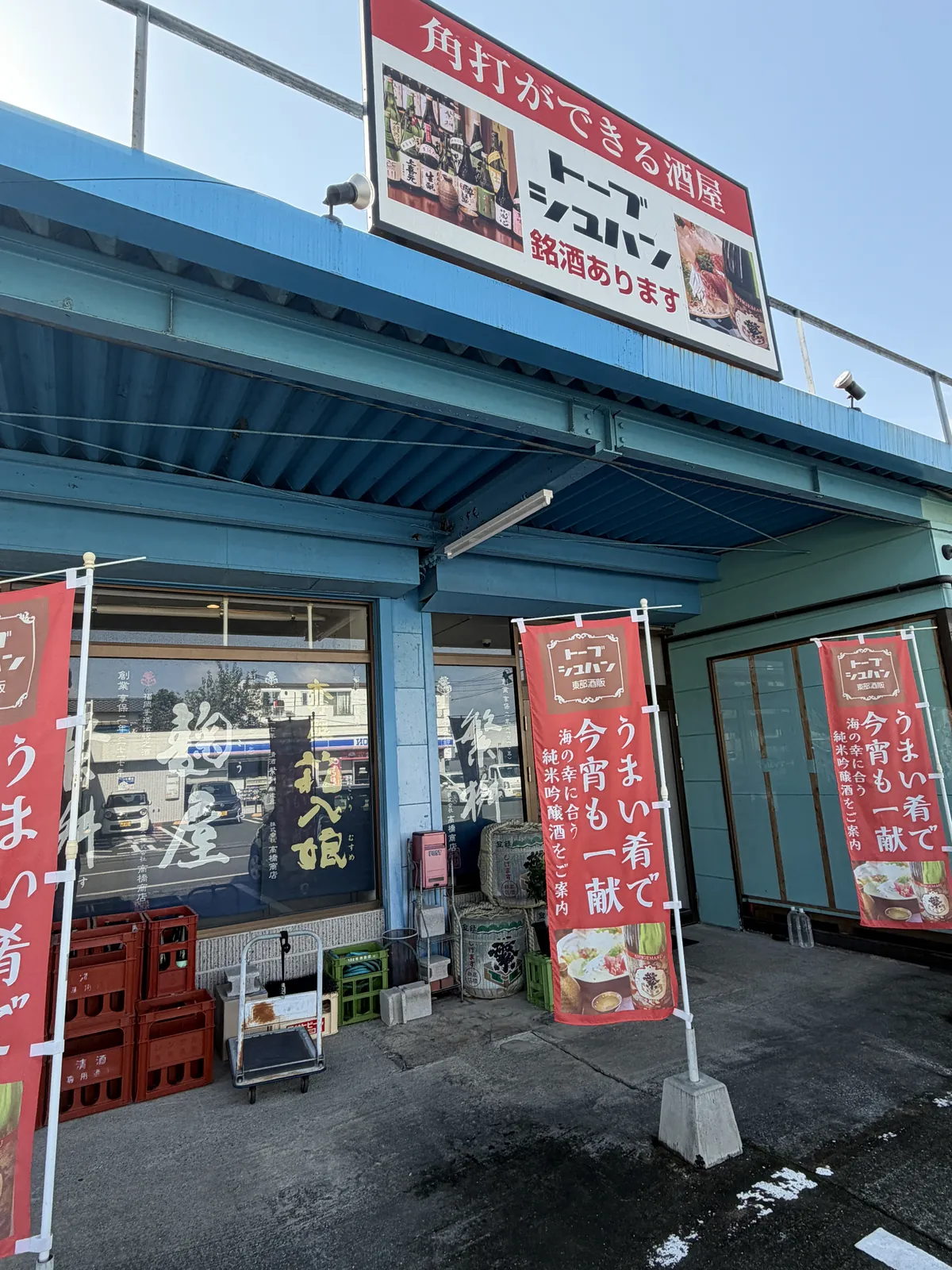
Tobu Shuhan in Kumamoto, where you can also drink in the shop from 4 p.m.
How I Tasted It
I opened the bottle on November 7, 2026, and drank it straight from the refrigerator, with food. I used two cups: my rabbit-patterned glass guinomi, which makes it easy to see the color, and my Bizen ware guinomi, which felt right for an autumn sake with yakitori. I followed it as it warmed in the glass, tasted it again the next day, and later tried it gently warmed as nurukan, on the shop’s recommendation.
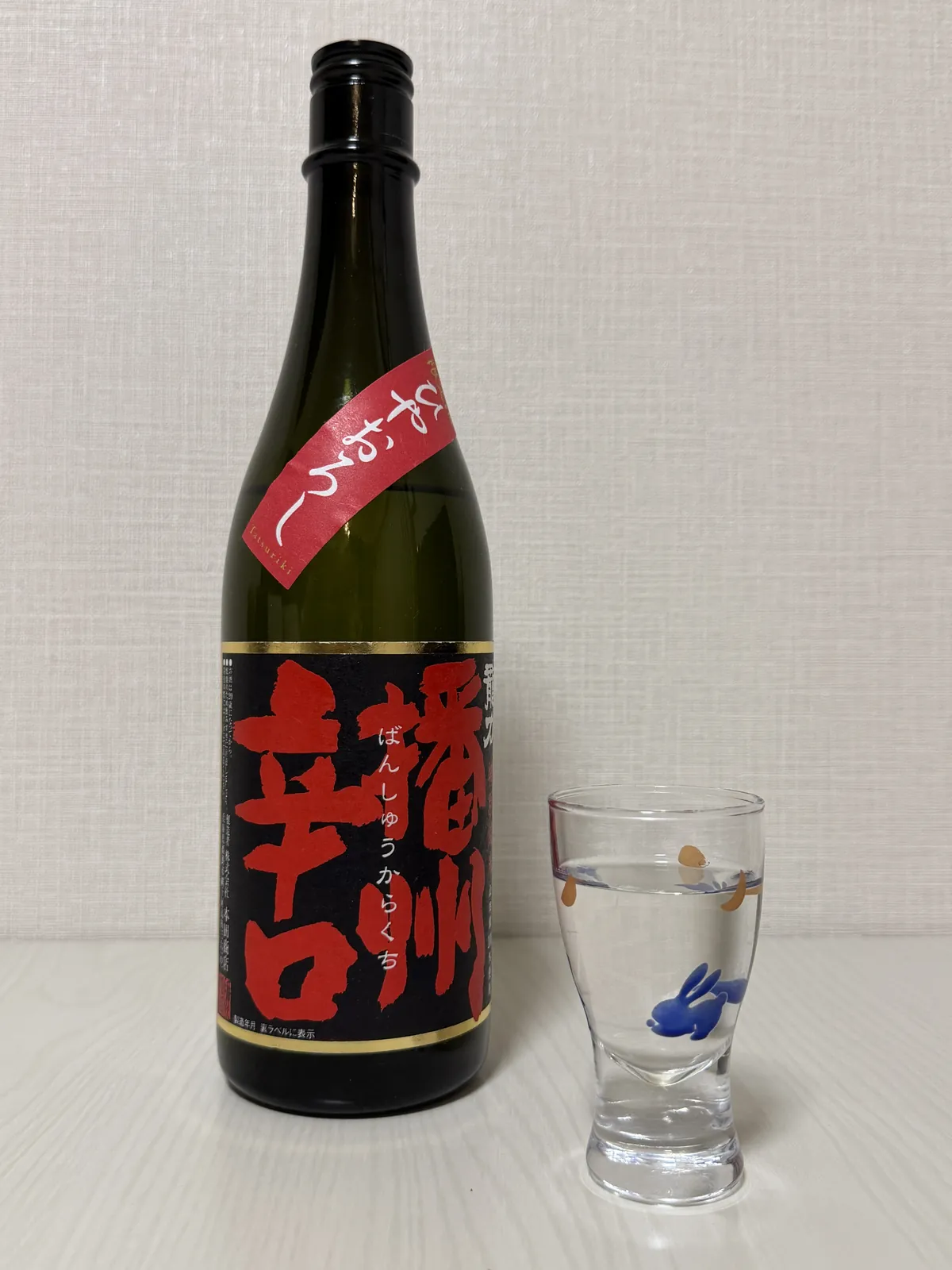
Clear and almost colorless in the glass.
Tasting Notes
Appearance
Clear and almost colorless, with light viscosity.
Aroma
The aroma was moderate in intensity, built around rice and koji rather than fruit. There was a noticeable, medium-level alcohol aroma. Anyone expecting the melon or lychee notes of a fruity ginjo will find something quite different here.
Palate
Dry from the first sip. Sweetness was low, and umami was clearly the main character—savory and rice-driven. Acidity was moderate—present, but sitting slightly behind the umami—and bitterness was moderate as well. The body was medium to somewhat full, and the alcohol was easy to feel. I noticed almost no carbonation.
Overall, it was a sake built around umami and dryness rather than freshness or fruit, with a matured, autumn-like quality that suits its hiyaoroshi style.
Finish
The finish was short to medium. What remained was umami, a little bitterness, and alcohol warmth—then it cut off cleanly, which is exactly what makes it work with food.
The Trade-Off
That same dryness and alcohol presence is what holds it back on its own. Without food, the low sweetness and noticeable alcohol can feel firm, especially for someone used to softer, fruitier sake. It can be enjoyed by itself, but for me, it shows its best side at the table.
How Temperature Changed the Sake
I didn’t measure exact temperatures, so these notes describe time out of the refrigerator.
- Straight from the refrigerator: Dry and umami-driven, with moderate rice-and-koji aroma.
- After 10–15 minutes: Essentially unchanged.
- As it warmed further: Sweetness came forward slightly; umami, acidity, and aroma stayed where they were.
This was a very stable sake. Its character held steady from the first glass to the last.
The Next Day
I tasted it again the following day and found no major change. Sweetness, umami, aroma, and carbonation were all much the same as on opening night, which makes it an easy bottle to enjoy over several evenings.
Gently Warmed: Nurukan
When I bought the bottle, the staff at Tobu Shuhan recommended trying it as nurukan, a style of gently warmed sake typically served at around 40°C (104°F).
I tried it one evening alongside nabe, a Japanese hot pot.
Warming brought out a softer, more rounded impression of umami, while the alcohol warmth spread gently across the palate. I found the combination especially enjoyable with the hot, savory food—and on a cold winter night, I’d happily drink it this way again.
I did not record the exact serving temperature during this tasting, so this is a qualitative impression rather than a controlled temperature comparison.
For a step-by-step guide to warming sake at home, see my article on making nurukan with a Fukagawa Seiji tokkuri.
Food Pairing: Yakitori
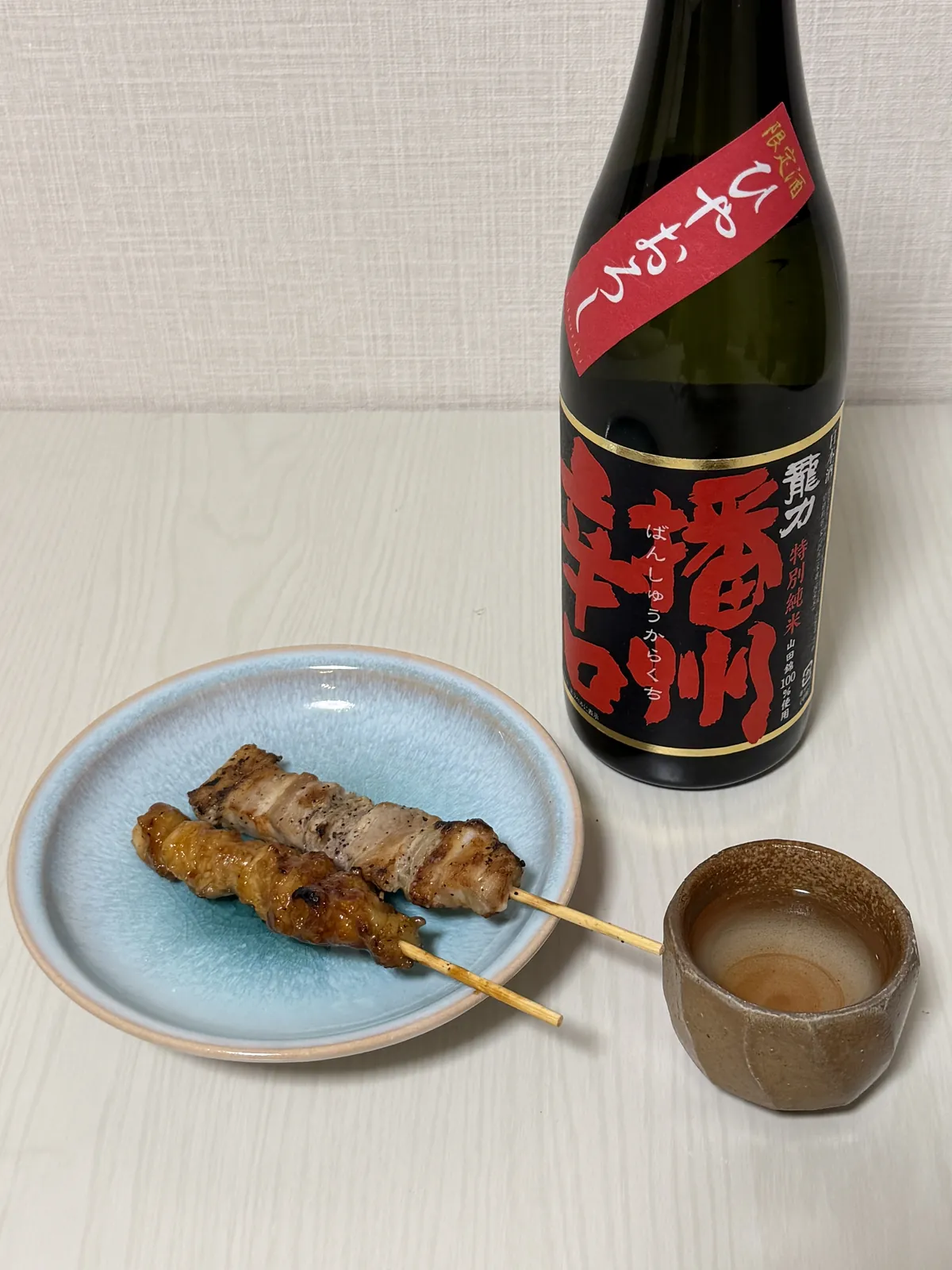
Yakitori with tare and with salt and pepper—both worked well.
Unlike some of my recent reviews, this time I did taste the sake with food—and it was the highlight.
I paired it with yakitori: one skewer glazed with sweet-savory tare and one seasoned simply with salt and pepper. The sake handled both well. With the rich, fatty skewers and the concentrated tare, its dry, clean finish worked like a reset button, clearing the palate and making the next bite taste fresh.
Based on that experience, I’d reach for it with other rich or strongly seasoned dishes too. It’s an easy sake to match with food.
Warmed as nurukan, it also went nicely with nabe—another reason I see it as a sake for the dinner table.
Compared with Mii no Kotobuki +14
My first thought on tasting Tatsuriki was Mii no Kotobuki +14, the very dry sake from Fukuoka that I reviewed earlier.
In my notes, the two were remarkably close: similar sweetness, acidity, umami, body, finish, and carbonation. Both are dry, umami-driven sakes that become more enjoyable with savory food.
| Tatsuriki Banshu Karakuchi Hiyaoroshi | Mii no Kotobuki +14 | |
|---|---|---|
| Brewery location | Hyogo Prefecture | Fukuoka Prefecture |
| Flavor focus | Rice umami and dryness | Dryness-led |
| Food pairing | Tested with yakitori and nabe | Tested with cured ham (see my earlier review) |
| Approachability | 2.5 / 5 | 2 / 5 |
Where they differed was in how welcoming they felt. I found Tatsuriki slightly easier to approach than +14—its strong rice umami gave the dryness something to lean on. If you’ve already tried +14 and enjoyed its dryness, Tatsuriki is a natural next step.
Approachability: 2.5 / 5
This is a sake for readers who already know they like dry flavors—or who plan to drink it with dinner.
What makes it approachable:
- Strong, satisfying rice umami
- A clean, dry finish that pairs easily with food
- Stable flavor from opening through the next day
What makes it more challenging:
- Low sweetness and a clearly dry style
- Noticeable alcohol warmth
- A rice-and-koji aroma rather than fruity notes
On my scale, it sits just above Mii no Kotobuki +14 (2 / 5), and alongside Amabuki Junmai Omachi Hiyaoroshi at 2.5—another autumn sake that I’d recommend more for the dinner table than as a first introduction.
Availability
This is a limited, seasonal hiyaoroshi, so availability will change from year to year. The bottle I tasted was labeled October 2026.
For readers outside Japan, this seasonal release may be hard to find. If you’re looking for a similar experience, look for a dry (karakuchi) junmai made with Yamadanishiki, and check whether it’s a hiyaoroshi or a year-round release.
Want to try Tatsuriki in the U.S.? Palate Project doesn’t list this seasonal hiyaoroshi, but it carries several other Tatsuriki sakes. If you’re drawn to the dry, savory character I’ve described here, Tatsuriki Kimoto—categorized by Palate Project as “Rich & Dry”—is the closest match in style, and the most affordable of their Tatsuriki selection. If the daiginjo below catches your interest, they also carry Tatsuriki Kome no Sasayaki (the standard daiginjo, not the special YK-35 bottle I was shown). I haven’t tasted either of these myself.
First-time Palate Project customers can use the discount code FRIEND-8V4N8XZ for 10% off one-time purchases (not subscriptions). The code can be used once per customer and can’t be combined with other discount codes.
This is an affiliate link. If you buy through it, I may earn a commission at no extra cost to you.
A Glimpse of Tatsuriki’s Top Daiginjo
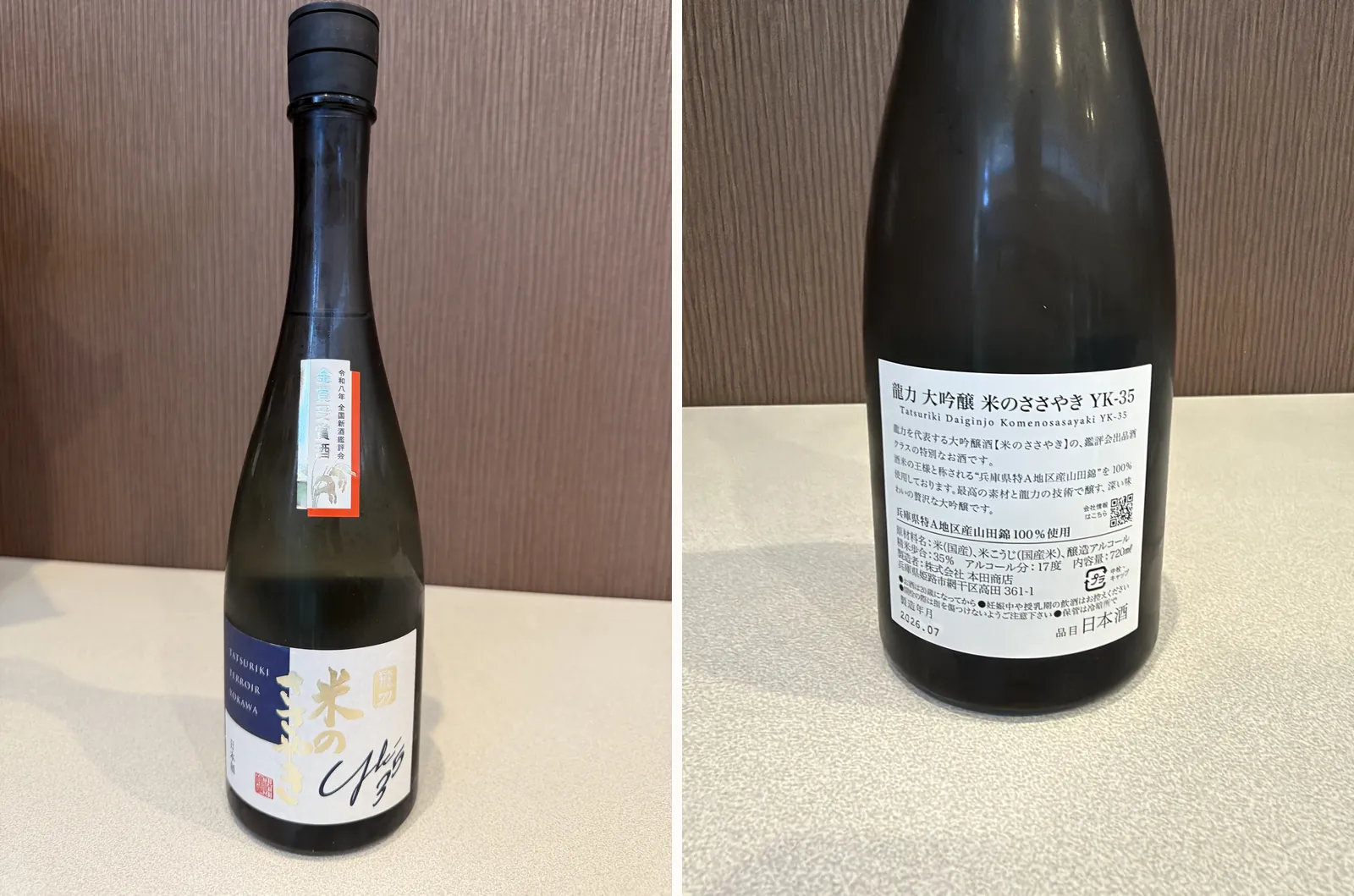
Tatsuriki Daiginjo Komenosasayaki YK-35, shown to me by the shop owner.
While I was at Tobu Shuhan, the owner showed me another bottle from the same brewery: Tatsuriki Daiginjo Komenosasayaki YK-35. It wasn’t for sale—he simply wanted to share it.
According to the back label, it is made with Yamadanishiki grown in Hyogo’s Toku-A production areas, polished to 35%, at 17% alcohol, and is described as a special sake of competition-entry class within Tatsuriki’s flagship Komenosasayaki daiginjo line. The bottle carried a Gold Prize sticker from the 2026 Japan Sake Awards (Zenkoku Shinshu Kanpyokai).
I haven’t tasted it myself. But the owner told me it has even more rice umami and mellowness than the Banshu Karakuchi—and that it’s very good. It’s one I’d love to try someday.
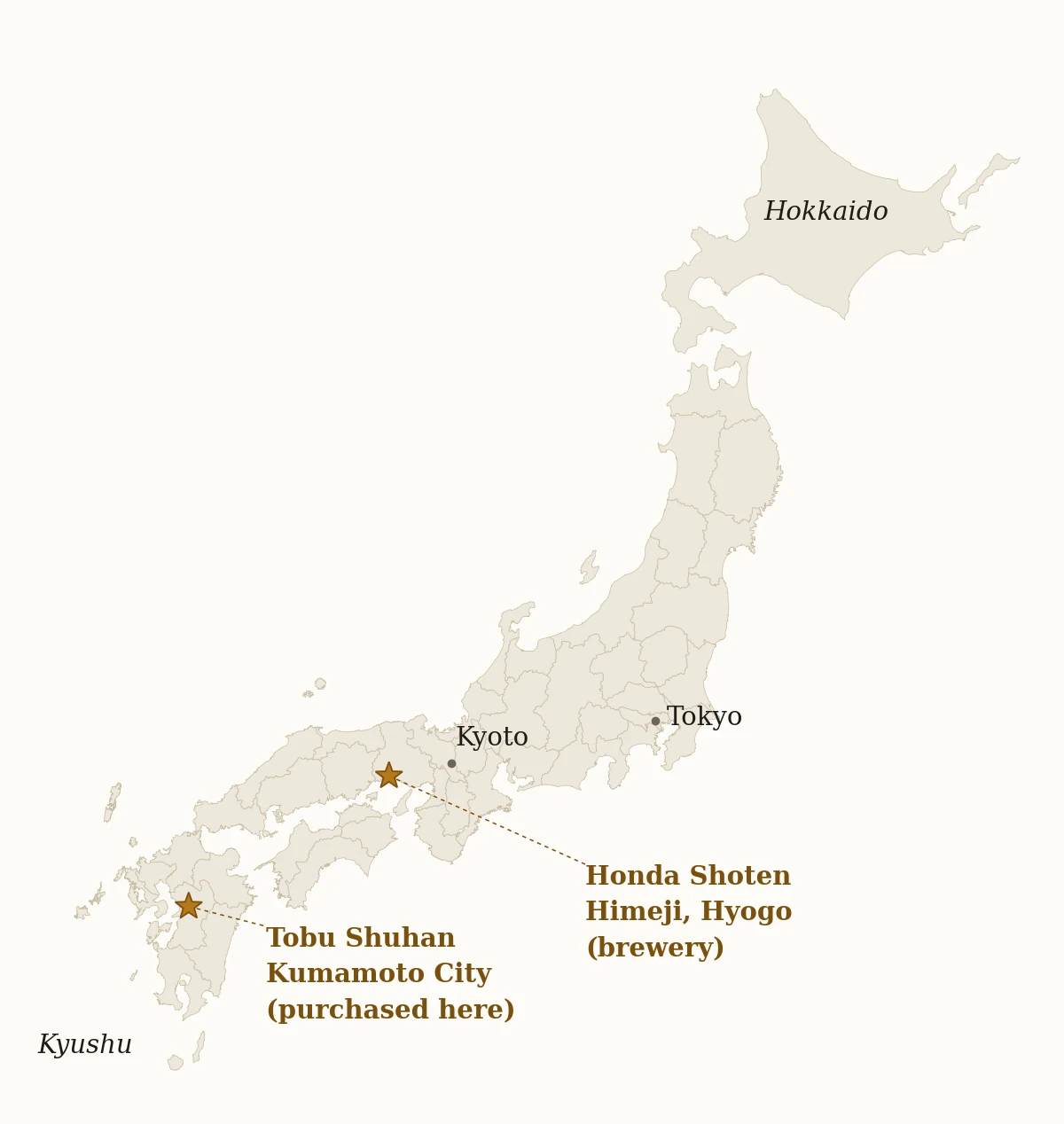
Where in Japan
- Honda Shoten, Himeji, Hyogo Prefecture — The brewery behind Tatsuriki.
- Tobu Shuhan, Higashi Ward, Kumamoto — Where I bought this bottle.
Final Thoughts
Tatsuriki Banshu Karakuchi Hiyaoroshi isn’t trying to charm you with fruit. It’s dry, savory, and a little firm on its own—but put it next to yakitori, and its clean finish turns into its greatest strength.
If you enjoy dry drinks and want a sake to drink with dinner, this is an easy recommendation, especially at its price—chilled with yakitori, or gently warmed alongside a winter hot pot. If you’re just starting out with sake, I’d begin with something softer and come back to this one once you know you like dry styles.
Approachability: 2.5 / 5
As a seasonal release, it’s only around for a short time. If I see it again next autumn, I’ll happily pick up another bottle.
This review is based on one 720 ml bottle opened on November 7, 2026. Flavor impressions are personal, and other releases may differ. Please enjoy sake responsibly.
Related Reading
This article contains affiliate links. If you buy through one, I may earn a small commission at no extra cost to you. It never changes what I honestly think.Full disclosure here.
Sake is an alcoholic beverage. This article is intended for readers of legal drinking age in their country — please drink responsibly.