
Ohmine HANABI CUP Review|A Fruity, Light-Bodied Omachi Sake for Beginners
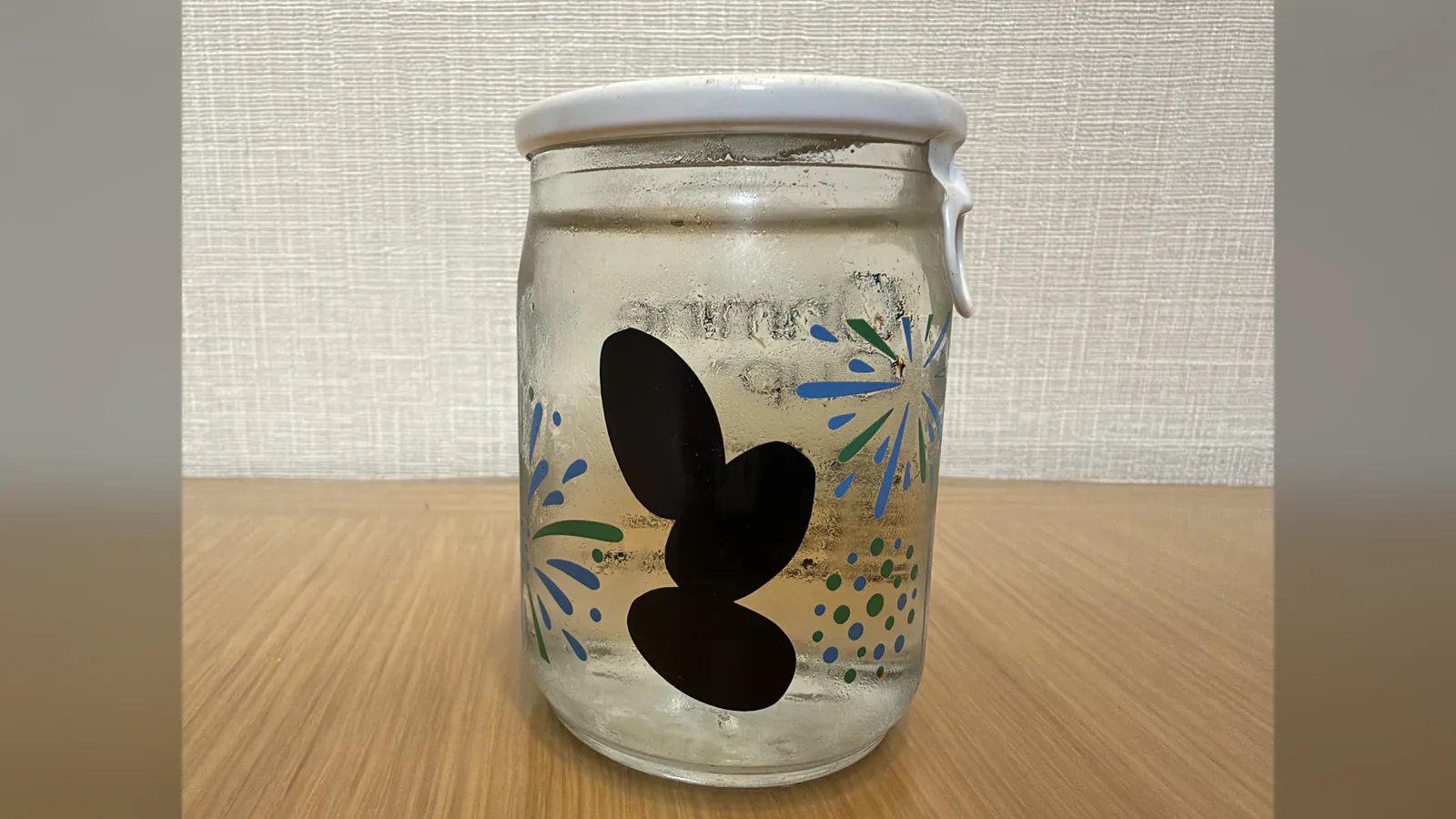
Table of Contents
- At a Glance
- What Is Ohmine HANABI CUP?
- Visiting Ohmine's Brewery Café in Yamaguchi
- How I Tasted It
- Tasting Notes
- How Temperature Changed the Sake
- What Food Might Pair with It?
- How Does It Compare with Other Sakes I've Reviewed?
- Approachability: 4 / 5
- The Cup and the Sake-Drinking Experience
- Availability: A Seasonal Cup Sake
- Where in Japan
- Final Thoughts
- Related Reading
A small glass cup decorated with colorful fireworks. Inside, just 100 ml of sake.
Ohmine HANABI CUP is a seasonal release from Ohmine Shuzou in Yamaguchi Prefecture, made with Omachi rice and bottled at 13% alcohol. The first thing I noticed was the aroma—sweet and fruity, reminding me of lychee, muscat grapes, and melon. The sake itself was light, gently sweet, and easy to drink, with very little alcohol warmth.
It wasn’t the most complex sake I’ve tasted. But that was part of its appeal.
For someone curious about Japanese sake but unsure where to begin, this is the kind of sake I would suggest trying.
There was also a personal connection: about five years ago, I visited the café at Ohmine’s brewery in rural Yamaguchi. Opening this little cup brought that visit back to mind.
At a Glance
| Item | Detail |
|---|---|
| Brewery | Ohmine Shuzou (Mine City, Yamaguchi) |
| Product | Ohmine HANABI CUP (2026 release) |
| Rice | Omachi 100% |
| Rice polishing ratio | 50% |
| Style | Genshu (undiluted) |
| Alcohol | 13% |
| Volume | 100 ml |
| Ingredients | Rice, rice koji |
| Release | Summer 2026 (seasonal) |
| Purchased | Tachibana Saketen, Kumamoto (around August 2026, under ¥1,000) |
| Opened | November 1, 2026 |
| Approachability | 4 / 5 |
What Is Ohmine HANABI CUP?
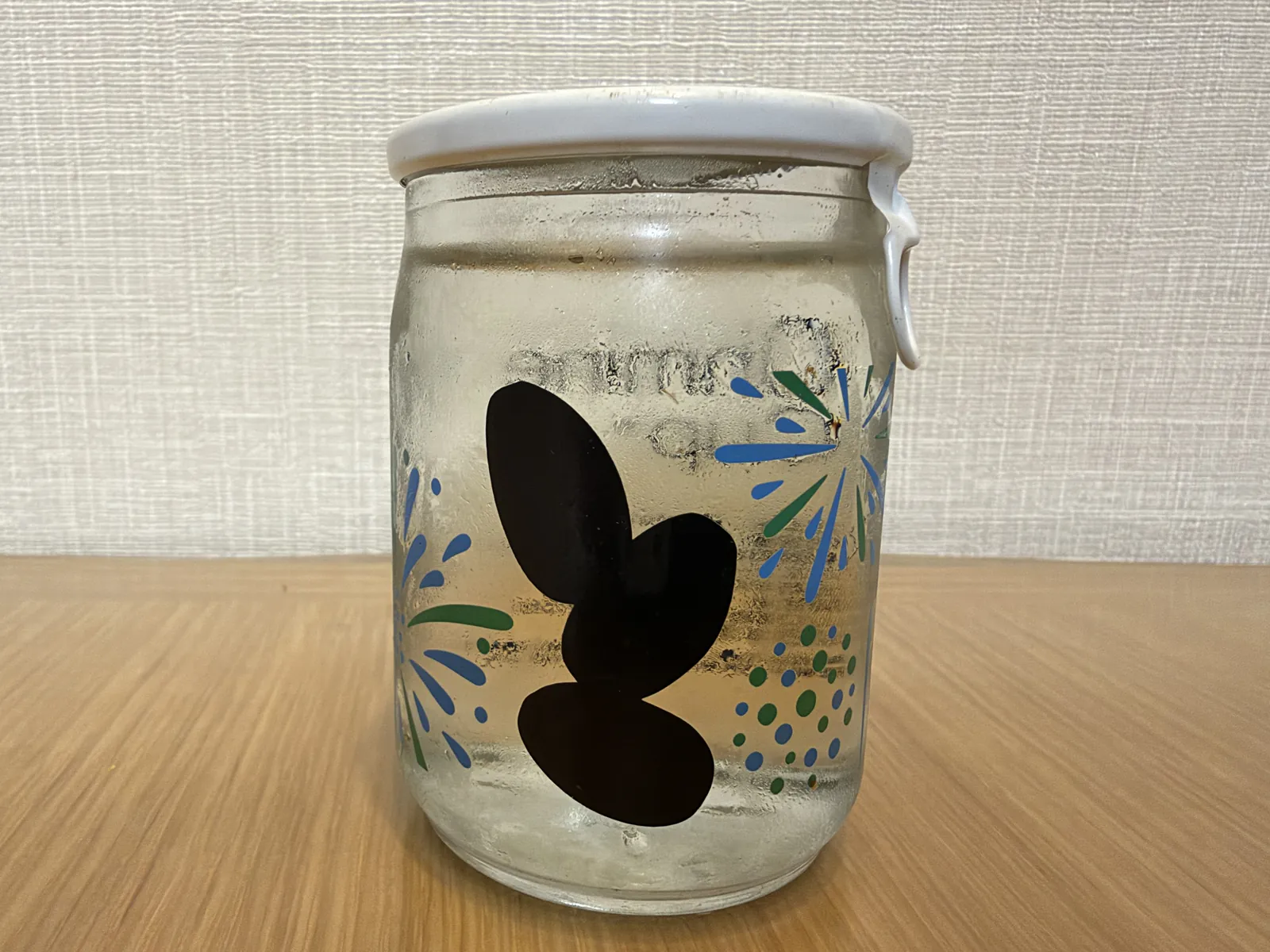
The cup features colorful fireworks surrounding the brewery’s distinctive rice-grain logo. It looks playful, but the sake inside is worth paying attention to.
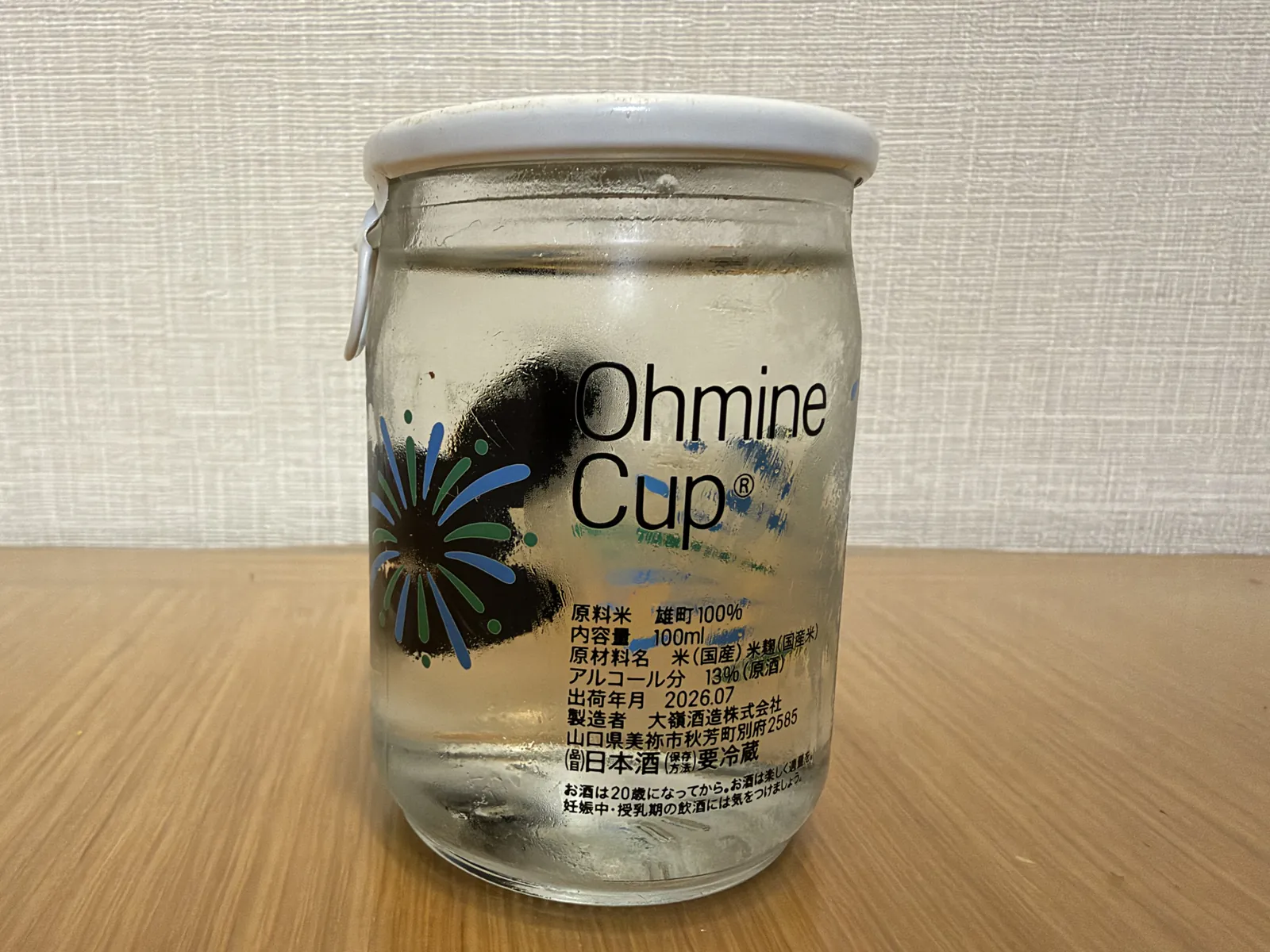
A 50% polishing ratio means half of each rice grain was polished away before brewing, leaving the inner 50%. Although it is a genshu—a sake made without the usual addition of water to adjust its alcohol strength—it has a relatively modest alcohol content of 13%. My impression was of a sake that put fruitiness, freshness, and drinkability ahead of weight or intensity.
Where I Bought It
I bought this cup at Tachibana Saketen, a sake retailer in Kumamoto, around August 2026. I don’t remember the exact price, but it was less than ¥1,000.
The small format was part of the attraction. A 100 ml cup lets you try an unfamiliar sake without committing to a full bottle.
Visiting Ohmine’s Brewery Café in Yamaguchi
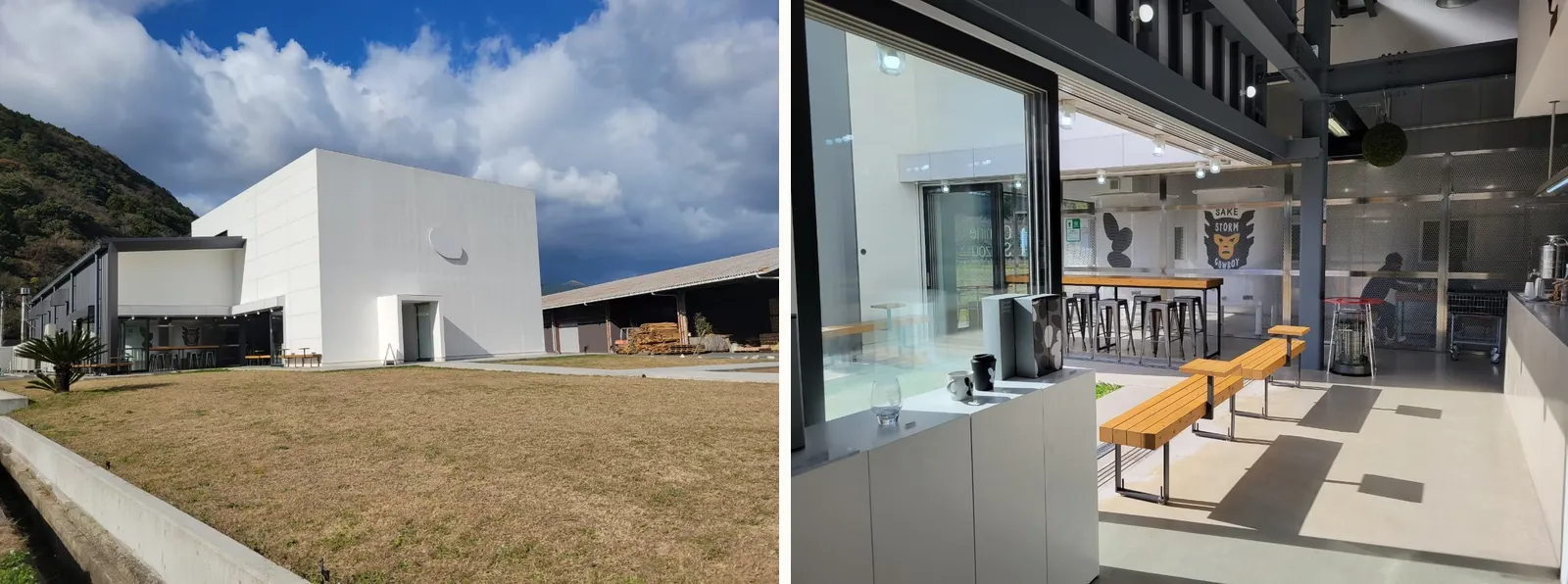
Ohmine’s brewery café in Yamaguchi, about five years ago
The brewery sits in a rural part of Yamaguchi Prefecture, and its modern white building stood out against the surrounding landscape. Inside, the café had a bright, open atmosphere.
I had traveled there by car, so I ordered coffee rather than sake. Still, the visit stayed with me. Seeing the countryside around the brewery gave me a sense of place that a bottle on a shop shelf cannot fully convey.
Because I hadn’t tasted sake there, this review isn’t a comparison with something I drank on site. It was simply a chance to connect a sake with a place I had once visited.
How I Tasted It
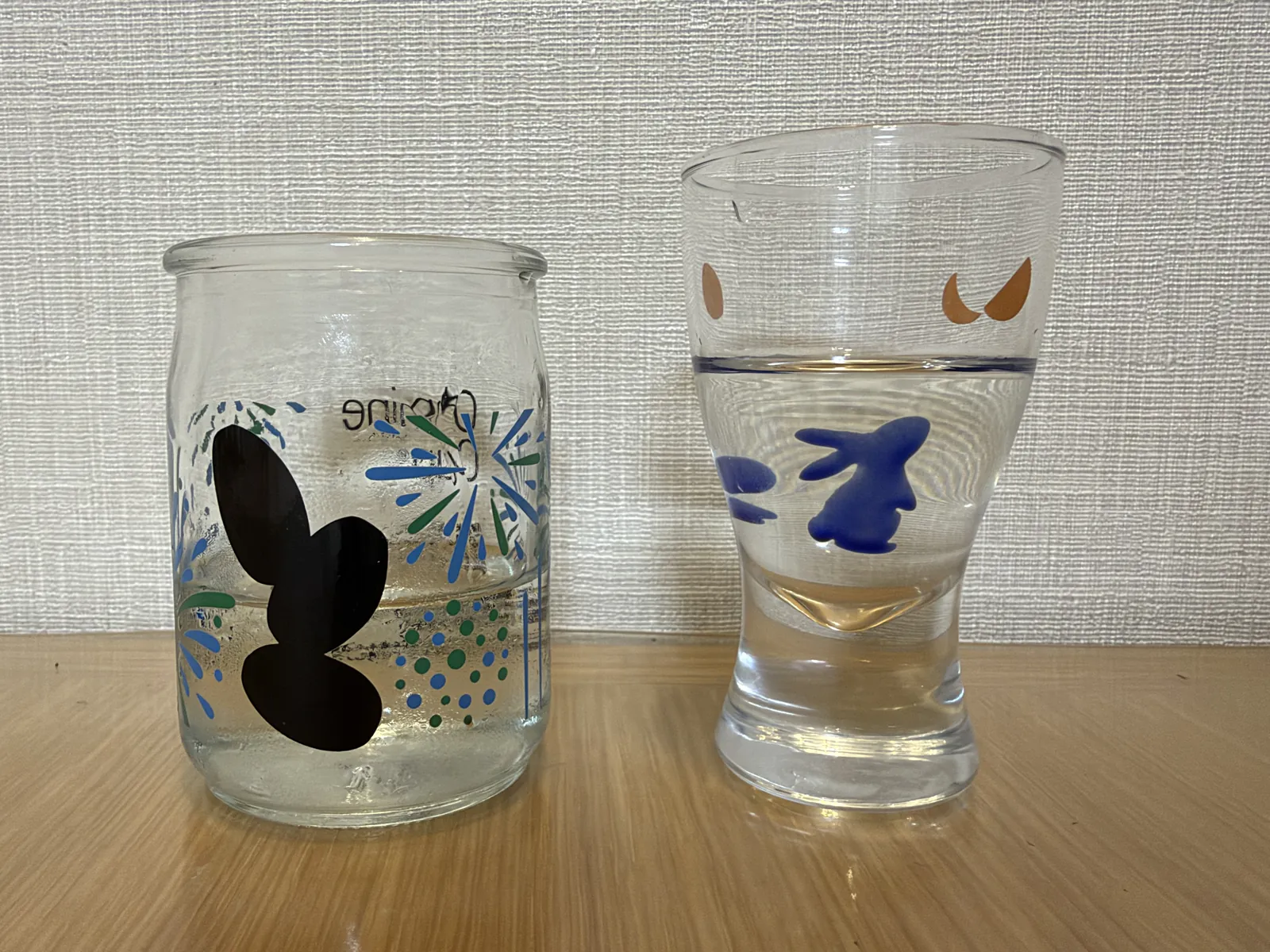
My usual rabbit-patterned glass guinomi
I drank it straight from the refrigerator, without food, so I could focus on aroma and flavor. My main vessel was my usual rabbit-patterned glass guinomi. I followed the sake for a while after opening—immediately, after 10–15 minutes, and as it warmed further—but did not taste it the next day, because I finished all 100 ml in one session.
I also photographed the sake in a Fukagawa Seiji porcelain guinomi and in the original glass cup, but I didn’t run a controlled comparison of how each vessel affected the flavor.
Tasting Notes
Appearance
Clear and almost colorless, with a very slight tint. It looked light in viscosity, without the dense texture I associate with richer styles.
Aroma
The aroma arrived before the weight of the sake did. The dominant impression was fruity and sweet—lychee first, followed by muscat grapes and melon, with a generally fresh fragrance. The alcohol aroma was weak. This fruitiness was one of the sake’s clearest characteristics.
Palate
Sweetness was immediately recognizable, but the texture stayed light. Acidity and umami were both clearly present at a moderate level, and alongside them the sweetness stood out the most. Bitterness was low, the alcohol felt gentle, and I detected very little carbonation. Together, these gave it an easy-drinking character.
Finish
The finish was medium in length, leaving some acidity and umami after the fruitiness faded. It wasn’t especially complex, but it remained pleasant.
The Trade-Off
I enjoyed this sake on its own, without feeling that it needed food to complete the experience. Its fruity, approachable character was apparent from the first few sips. The trade-off was relatively little body and little deep, layered complexity. For my taste, it was a pleasant, approachable sake rather than a powerful or contemplative one.
How Temperature Changed the Sake
Because the cup held only 100 ml, I followed the sake as it gradually warmed instead of dividing it into separate servings. I didn’t measure the temperature at each stage, so these notes describe elapsed time rather than specific temperatures.
- Straight from the refrigerator: The fruity aroma was at its strongest.
- After 10–15 minutes: The aroma became slightly quieter, while sweetness, acidity, and umami stayed essentially unchanged.
- As it warmed further: Sweetness became more noticeable. With relatively little body or bitterness to counter it, the sweetness moved further into the foreground.
Beyond that shift in sweetness, the sake’s overall character stayed consistent. Still, I would choose to drink HANABI CUP well chilled, when its fruity aroma felt most expressive.
What Food Might Pair with It?
I tasted this sake without food, so I can’t report a tested pairing. Based on its light body, fruitiness, gentle sweetness, and moderate acidity, I would be interested in trying it with:
- Lightly marinated vegetables
- White fish with citrus dressing
- Vinegared seafood or other refreshing appetizers
I would be less inclined to pair it with very rich, fatty, or heavily seasoned dishes, which might overpower its delicate character. That said, it worked well enough on its own that food didn’t feel necessary.
How Does It Compare with Other Sakes I’ve Reviewed?
Compared with Nichi Nichi Yamadanishiki
Both have gentle alcohol and a light, drinkable character. But Nichi Nichi Yamadanishiki, at 11% alcohol, impressed me with its delicate carbonation, lactic character, and layered umami. Nichi Nichi offered more subtle complexity; Ohmine delivered a clearer, fruitier first impression.
Compared with Shichida Omachi Hiyaoroshi
Both use Omachi rice, but their personalities are quite different. Shichida Omachi Hiyaoroshi, at 17% alcohol and a 75% polishing ratio, had more body and flavor intensity. HANABI CUP felt lighter, clearer, and easier to drink casually—a good reminder that the same rice variety doesn’t guarantee a similar experience.
Compared with Mii no Kotobuki +14
Mii no Kotobuki +14 was exceptionally dry, with a sharp character that became more enjoyable with savory food. HANABI CUP was much sweeter in impression, with fruit-forward aromas. If +14 is the sake I’d explore alongside food, HANABI CUP is the one I’d suggest to someone looking for a gentle introduction.
Approachability: 4 / 5
I rate HANABI CUP highly for beginner-friendliness.
What makes it approachable:
- Immediately recognizable fruity aromas
- Gentle, noticeable sweetness
- A light body with low bitterness
- Little alcohol warmth
- Enjoyable without food
What holds it back: The sweetness may feel a little prominent for someone who prefers very dry sake, and readers who enjoy powerful rice umami, substantial body, or deep, layered flavors may find it too light. That doesn’t make it a lesser sake—its strengths simply lie elsewhere.
Like Nichi Nichi Yamadanishiki, it earns 4 / 5, but for different reasons. Nichi Nichi impressed me with restraint and layered flavor; HANABI CUP is more direct—fruity, light, and easy to understand. For someone taking their first steps into sake, that directness can be an advantage.
New to Japanese sake? If you’re still exploring what sake can taste like, I’ve put together a beginner-friendly guide to its fruity, sweet, dry, and umami flavors, with real examples from bottles I’ve tasted, including this one.
What Does Sake Taste Like? A Beginner’s Guide
The Cup and the Sake-Drinking Experience
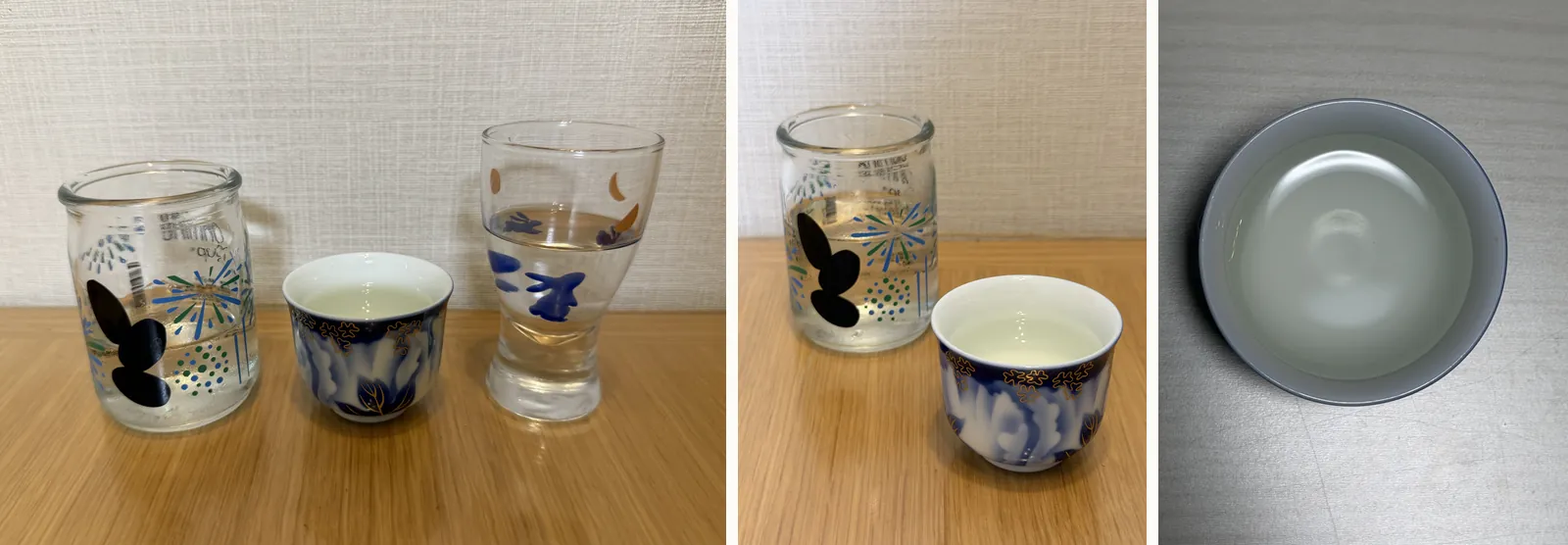
White porcelain shows how clear and pale the sake is
One thing I particularly enjoyed was the presentation. The small glass cup, with its rice-grain logo and fireworks, looks far more playful than a traditional sake bottle.
Poured into a Fukagawa Seiji porcelain guinomi, the white interior made it easy to see just how clear and pale the sake was. The original cup, my everyday glass guinomi, and refined white porcelain each offered a different presentation. For someone new to sake, that’s another encouraging point: you don’t need an expensive cup to start enjoying it.
Availability: A Seasonal Cup Sake
HANABI CUP is a seasonal release, so availability may change from year to year. The cup I tasted was the 2026 Omachi version at 13% alcohol, purchased in Kumamoto.
For readers outside Japan: the Ohmine brand may be available through international sake retailers, but this particular seasonal cup may not be. If you’re looking for the same flavor profile, check the rice variety, alcohol content, and release information rather than assuming every Ohmine product is the same.
Where in Japan
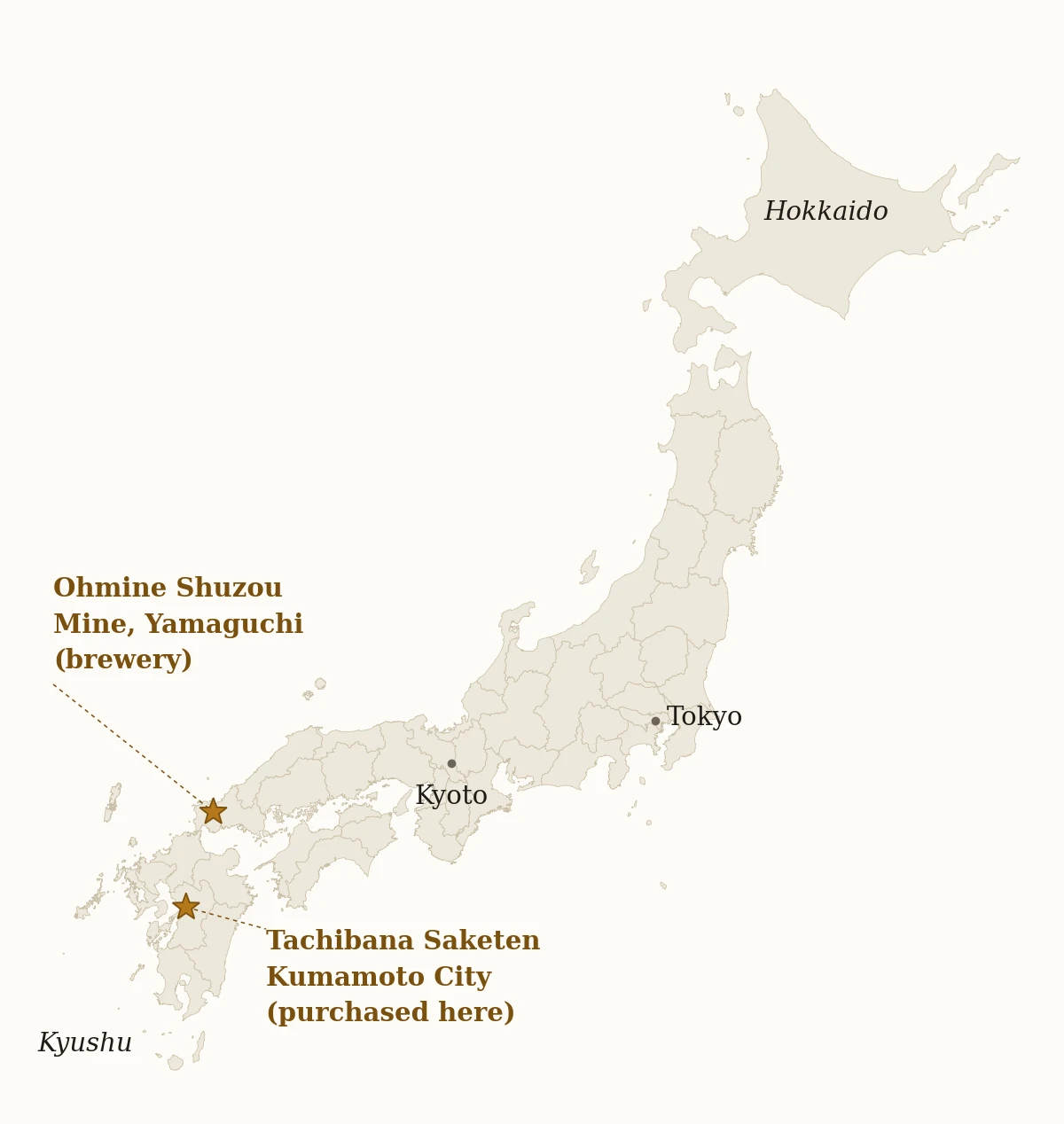
- Ohmine Shuzou, Mine City, Yamaguchi Prefecture — The brewery behind HANABI CUP, and the café I visited about five years ago.
- Tachibana Saketen, Kumamoto — Where I bought this cup.
Final Thoughts
If you’re new to Japanese sake and enjoy fruity, gently sweet drinks, HANABI CUP is an inviting place to start. It may not satisfy those looking for powerful rice-driven flavors, but its lightness is exactly what makes it approachable. And at just 100 ml, it lets you find out without committing to a full bottle.
For me, this little cup also carried a memory: the bright café in a white building in rural Yamaguchi, where I once stopped for coffee years before I finally tasted Ohmine’s sake.
Approachability: 4 / 5
I’d happily try it again if a future seasonal release catches my attention.
This review is based on one 100 ml cup tasted on November 1, 2026. Flavor impressions are personal, and other releases may differ. Please enjoy sake responsibly.
Related Reading
Sake is an alcoholic beverage. This article is intended for readers of legal drinking age in their country — please drink responsibly.