
Junmai vs Ginjo vs Daiginjo: What's the Difference in Sake?
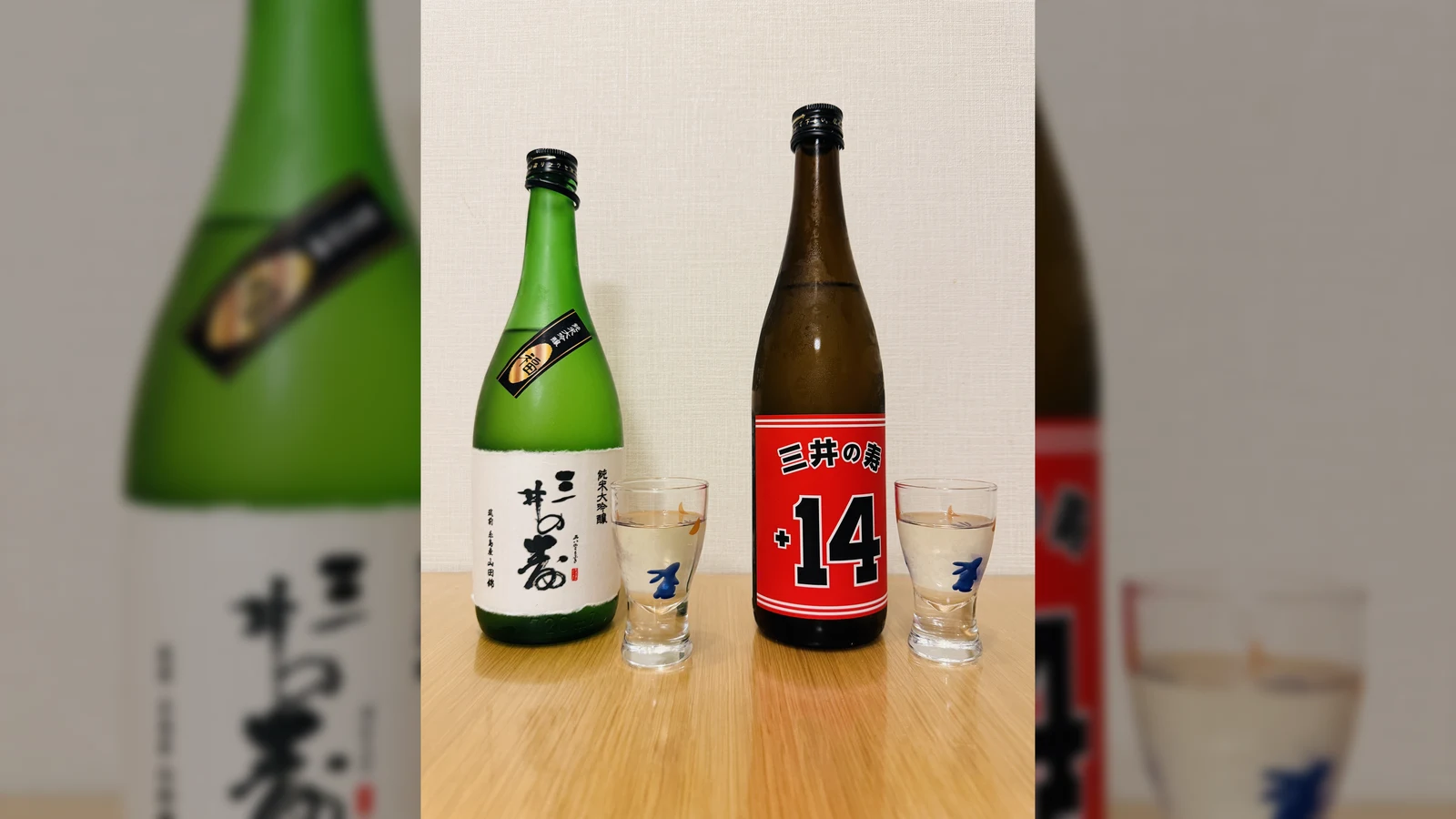
Table of Contents
- Junmai vs Ginjo vs Daiginjo: The Quick Answer
- What Does Junmai Mean?
- What Is Ginjo Sake?
- What Is Daiginjo Sake?
- Junmai Ginjo vs Junmai Daiginjo: What Actually Changes?
- What Does Rice Polishing Ratio Mean?
- Does More Polishing Mean Better Sake?
- Rice Variety vs Sake Classification: Omachi and Yamadanishiki
- How to Read a Sake Label: A Beginner's Checklist
- Which Type of Sake Should a Beginner Choose?
- Frequently Asked Questions
- Final Thoughts: Read the Label, Then Trust Your Palate
You’ve found a bottle of Japanese sake that looks interesting. Then you look at the label.
Junmai. Ginjo. Daiginjo. Junmai Ginjo. Junmai Daiginjo.
What do all these names mean? And does Daiginjo automatically mean better sake?
When I first started exploring Japanese sake, these terms were confusing. Even now, after tasting many different bottles here in Japan, I find that the classification alone rarely tells the whole story. I’ve enjoyed a beautifully refined Junmai Daiginjo, an intensely dry Junmai Ginjo, and a full-flavored Junmai polished to just 75%. Each had something different to offer.
The most important thing to understand is that Junmai, Ginjo, and Daiginjo describe how sake is made—not a simple ranking of how good it tastes.
In this guide, I’ll explain what the terms mean, how rice polishing works, and what I’ve learned from tasting real bottles in Japan.
Junmai vs Ginjo vs Daiginjo: The Quick Answer
The easiest way to understand these names is to separate two questions:
- Was brewer’s alcohol added? This is where the word Junmai matters.
- How was the sake brewed, and how much of the rice grain remains after polishing? This is where Ginjo and Daiginjo come in.
That’s why the names can combine. A Junmai Ginjo is both: no added alcohol, and Ginjo-style brewing.
| Sake Type | Brewer’s Alcohol Added? | Rice Polishing Ratio |
|---|---|---|
| Junmai | No | No specific numerical limit |
| Honjozo | Yes, in a limited amount | 70% or less |
| Junmai Ginjo | No | 60% or less |
| Ginjo | Yes, in a limited amount | 60% or less |
| Junmai Daiginjo | No | 50% or less |
| Daiginjo | Yes, in a limited amount | 50% or less |
These are the main requirements for six of Japan’s eight legally recognized special-designation sake categories (tokutei meisho-shu).
What about Tokubetsu Junmai and Tokubetsu Honjozo? These are the other two special-designation categories. They generally require a polishing ratio of 60% or less or a qualifying special brewing method, along with the relevant ingredient and quality requirements. I’ve kept the main table focused on the six categories beginners are most likely to compare.
Additional rules cover ingredients, brewing methods, and quality across all of these categories. For the official definitions, see the National Research Institute of Brewing’s sake classification guide.
What Does Junmai Mean?
Junmai (純米) means that no brewer’s alcohol has been added to the sake. Its alcohol comes from fermentation, using rice, rice koji, yeast, and water.
This doesn’t mean Junmai sake is necessarily sweet, heavy, or strongly rice-flavored. Those characteristics depend on many factors, including the rice, yeast, brewing method, and fermentation conditions.
Junmai also has no fixed polishing requirement. That matters because it’s easy to assume that a bottle with a high number on the label, meaning less polishing, must be lower in quality. In reality, some breweries deliberately leave more of the rice grain intact.
A Real Example: Shichida Junmai Omachi Hiyaoroshi
One of the clearest examples I’ve tasted is Shichida Junmai Omachi Hiyaoroshi from Tenzan Shuzo in Saga Prefecture. It’s made with Omachi rice polished to 75%, so 75% of each grain remains. That’s considerably more than in Ginjo-style sakes polished to 60% or 50%.
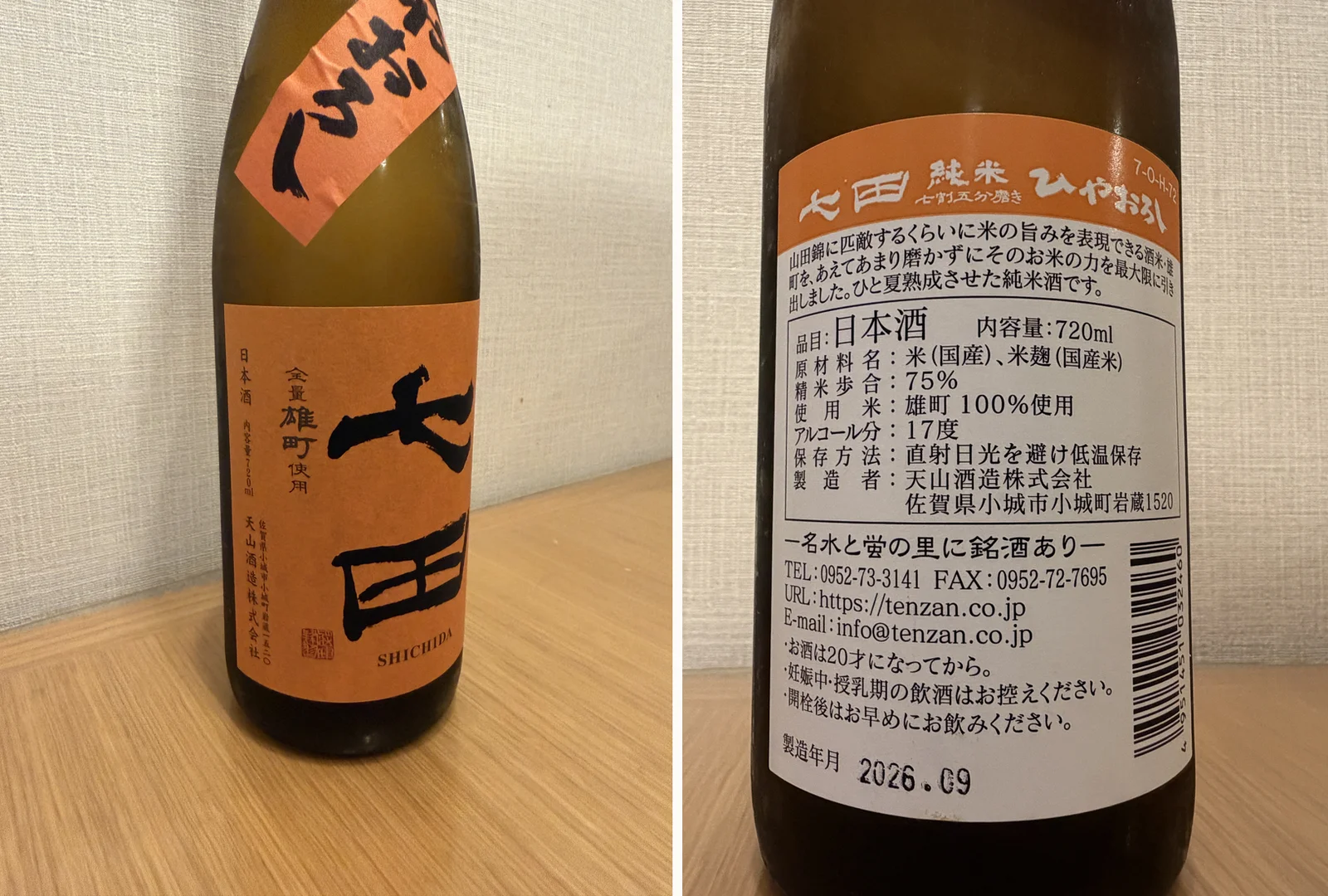
When I first saw that number, I expected something heavy. Instead, I found a sake with substantial flavor, noticeable sweetness and umami, refreshing acidity, and a remarkably clean finish. It had depth without feeling rough.
The brewery says it uses this polishing level to express the character of the rice, which makes Shichida a good reminder that less polishing isn’t necessarily a compromise.
Read my Shichida Junmai Omachi Hiyaoroshi review.
What Is Ginjo Sake?
Ginjo (吟醸) refers to sake made using a special brewing approach known as ginjo-zukuri, with rice polished to 60% or less. Ginjo brewing typically involves careful fermentation management, often at relatively low temperatures, to develop refined aromas and flavors.
Ginjo-style sake is frequently associated with fruity and floral aromas. You might notice impressions of apple, pear, banana, or melon, even though no fruit has been added. However, a sake doesn’t need to be intensely fruity to qualify as Ginjo, and not every Ginjo tastes the same.
If the label says Junmai Ginjo, no brewer’s alcohol was added. If it simply says Ginjo, a limited amount was.
Does Added Brewer’s Alcohol Mean Lower Quality?
No. This is a common misunderstanding.
In certain sake styles, a small amount of distilled brewer’s alcohol is intentionally added as part of the production process. It can influence aroma, texture, and the overall balance of the finished sake. For special-designation sake, the amount is strictly limited: less than 10% of the weight of the polished rice.
A carefully made Ginjo or Daiginjo containing brewer’s alcohol is not automatically inferior to its Junmai counterpart. The difference is a brewing choice.
What Is Daiginjo Sake?
Daiginjo (大吟醸) is a Ginjo-style sake made with rice polished to 50% or less. At least half of the original brown rice grain has been removed. As with Ginjo, Junmai Daiginjo has no added brewer’s alcohol, while Daiginjo has a limited amount.
Daiginjo sake is often associated with delicate aromas, refined texture, and carefully controlled fermentation. But it doesn’t automatically mean sweeter, fruitier, smoother, or more enjoyable, and not every Daiginjo costs more than every Junmai or Ginjo.
Junmai Ginjo vs Junmai Daiginjo: What Actually Changes?
When both bottles are Junmai, neither contains added brewer’s alcohol, and both use Ginjo-style brewing. The most obvious classification difference is the polishing requirement: 60% or less for Junmai Ginjo, and 50% or less for Junmai Daiginjo.
That sounds straightforward. But does a Junmai Daiginjo necessarily taste more refined or better balanced? Not always.
My Comparison: Mii no Kotobuki Fuku vs +14
I compared two bottles from Mii no Kotobuki, a brewery in Fukuoka Prefecture. Both used Yamadanishiki rice, but their specifications and flavors were notably different.
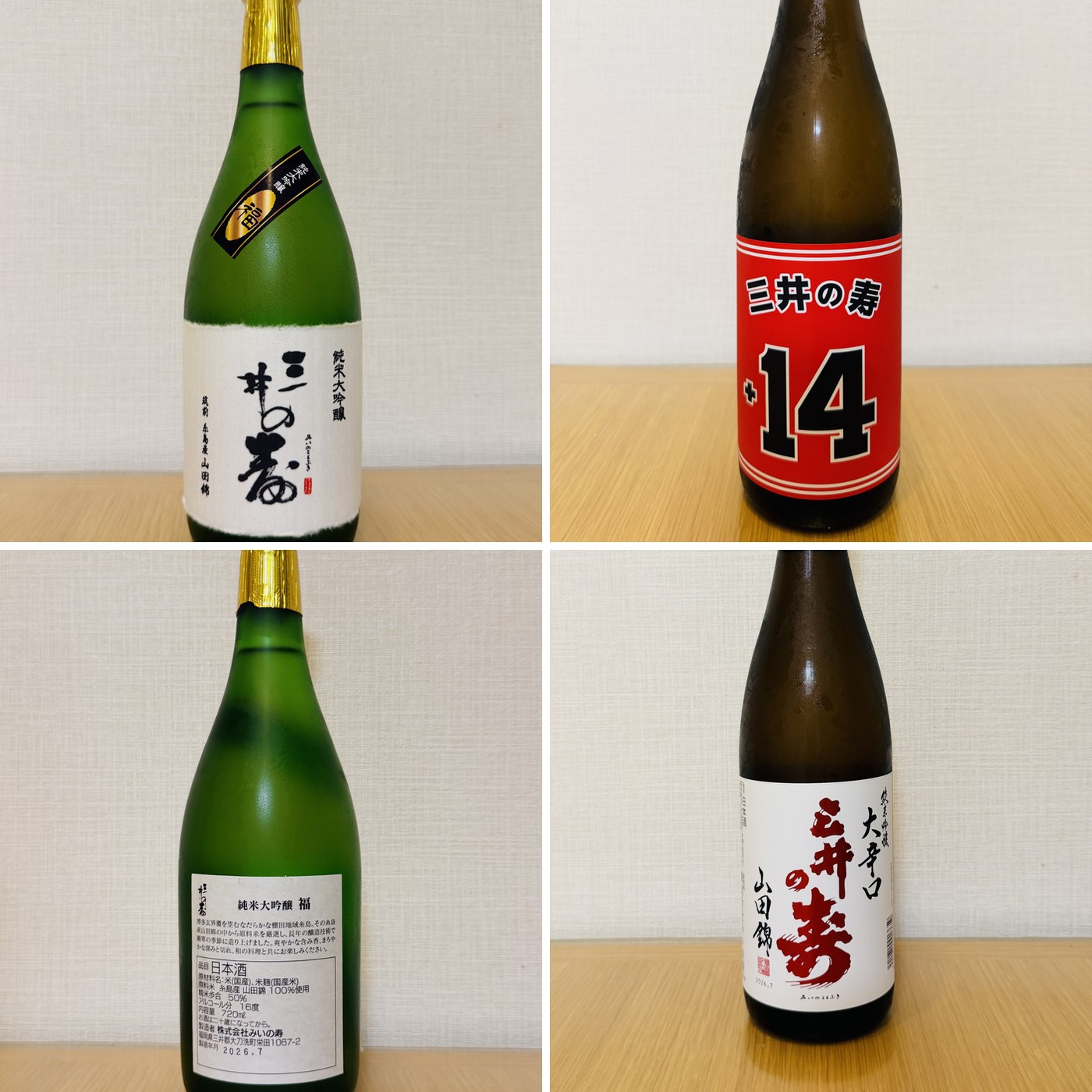
| Fuku | Okarakuchi +14 | |
|---|---|---|
| Classification | Junmai Daiginjo | Junmai Ginjo |
| Rice | Yamadanishiki | Yamadanishiki |
| Polishing ratio | 50% | 60% |
| Alcohol | 16% | 14% |
| My impression | Soft, fruity, rounded | Very dry, sharp, crisp |
| My preferred setting | On its own | With savory food |
Fuku was elegant, fruity, and easy to enjoy without food. The +14 was exceptionally dry, with a sharper character that felt almost austere at first. Yet when I paired it with cured ham, its savory side became much more interesting.
This is why I hesitate to describe Junmai Daiginjo as simply a better version of Junmai Ginjo. I enjoyed both, for different reasons. And because the bottles differed in several ways beyond polishing, this wasn’t a controlled test of rice polishing. It was a real-world comparison of two different sake styles.
Read my full Mii no Kotobuki Fuku vs +14 tasting comparison.
What Does Rice Polishing Ratio Mean?
One of the most confusing numbers on a sake label is the rice polishing ratio, or seimai-buai (精米歩合). It describes how much of the original brown rice grain remains after polishing.
A lower polishing ratio means more of the rice grain has been removed.
Each bar shows the share of the rice grain left after polishing.
Junmai example: Shichida
Ginjo / Junmai Ginjo limit
Daiginjo / Junmai Daiginjo limit
Example of more extensive polishing
Classification also depends on factors other than the polishing ratio.
Polishing removes outer layers that contain relatively high proportions of proteins, fats, and other components that can influence fermentation and flavor. More extensive polishing can help a brewer pursue a refined flavor profile, but it doesn’t determine the final taste by itself.
The legal limits are also upper limits, not fixed labels. The two Nabeshima Junmai Ginjo bottles I describe below are polished to 50%, even though Junmai Ginjo only requires 60% or less.
One important detail: A 50% polishing ratio doesn’t automatically make a sake a Junmai Daiginjo. A brewery may produce a sake polished to 50% and label it Junmai Ginjo, provided it meets the relevant requirements. The polishing ratio is one part of the classification, not the entire definition.
Ohmine’s 2 Grain and 3 Grain: A Different Way to Describe Sake
Ohmine Shuzou in Yamaguchi Prefecture uses a distinctive rice-grain design in its branding, including its 2 Grain and 3 Grain series. These names are Ohmine’s own series labels, not legal categories of Japanese sake. Don’t assume a number of grains always corresponds to one polishing ratio or classification. For example, one retailer’s listing for 2 Grain Yamadanishiki says only 35% of the rice remains, so check each product’s details.
Labels can also leave things out. The 2026 HANABI CUP I reviewed lists Omachi rice and 13% alcohol on the cup, but not the polishing ratio. I confirmed the 50% figure from the retailer’s product page.
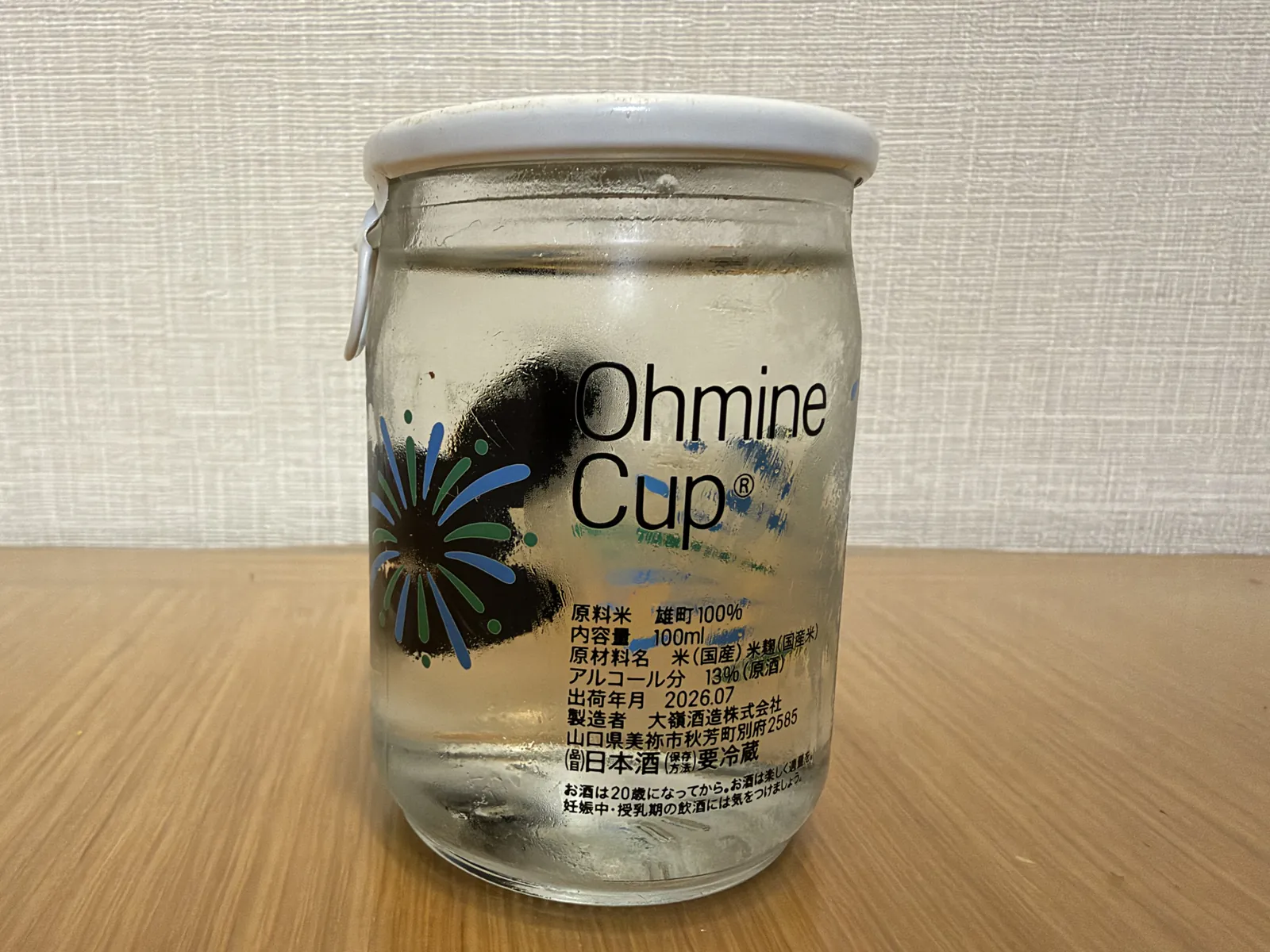
I found it fruity and light-bodied, with aromas reminiscent of lychee, muscat grapes, and melon. It was an enjoyable example of how a 50%-polished sake can feel fresh and light.
Read my Ohmine HANABI CUP review.
Does More Polishing Mean Better Sake?
This is one of the most important questions a beginner can ask, and my answer is no, not necessarily.
A lower polishing ratio can require additional rice and processing, and it often appears in premium Ginjo and Daiginjo styles. But more polishing doesn’t guarantee better flavor, greater complexity, or a more enjoyable drinking experience.
Consider the two bottles I’ve just described:
- Shichida Junmai Omachi Hiyaoroshi (75%): substantial flavor, savory depth, refreshing acidity, and a clean finish
- Ohmine HANABI CUP (50%): light, fruity, gently sweet, and approachable, with relatively little body
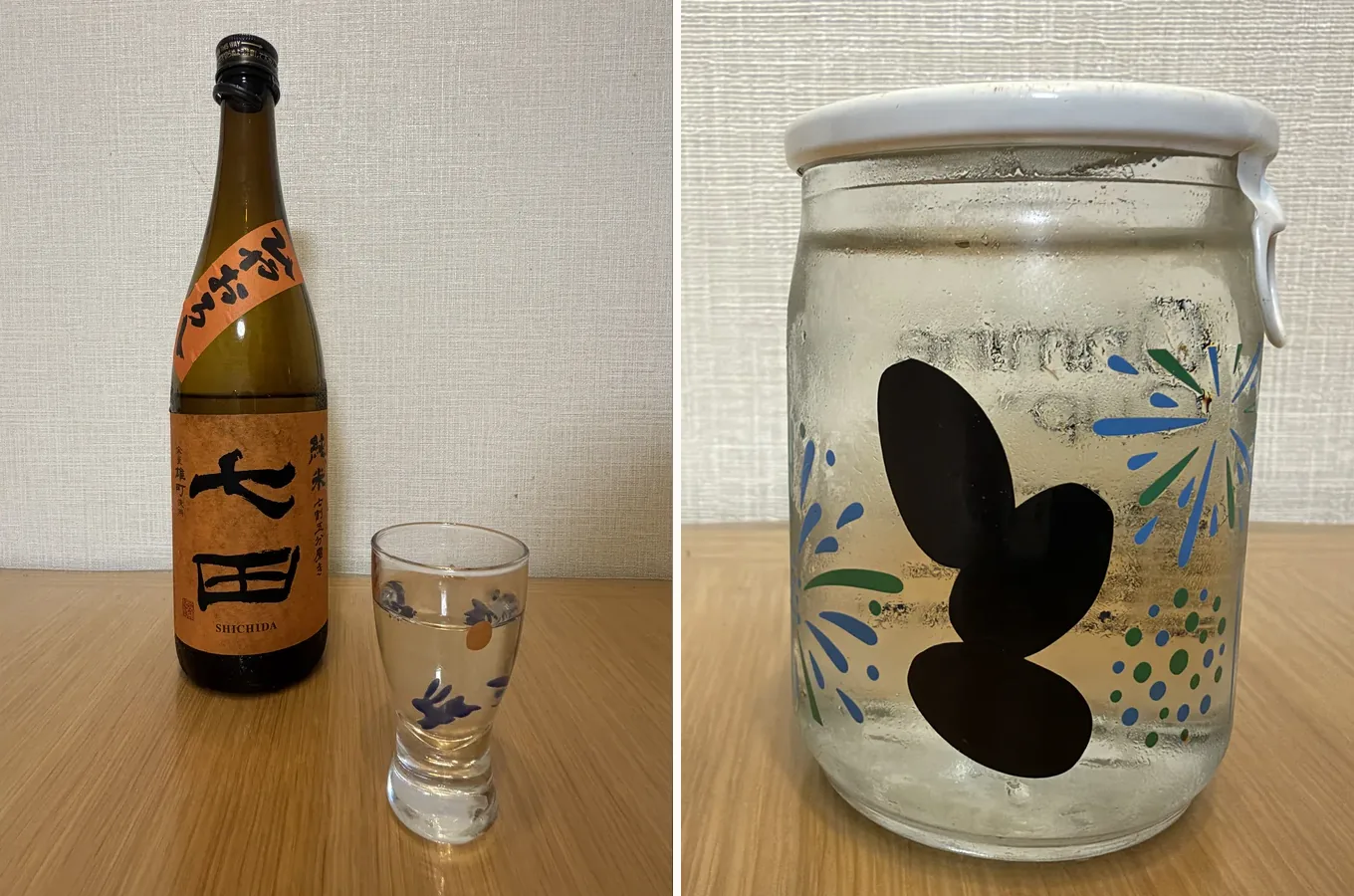
Left: Shichida Junmai Omachi Hiyaoroshi (75%). Right: Ohmine HANABI CUP (50%).
Both were enjoyable in different ways, and their differences can’t be attributed to polishing alone. They came from different breweries, with different production methods, alcohol levels, and intended styles.
What matters is whether the finished sake matches what you enjoy.
Rice Variety vs Sake Classification: Omachi and Yamadanishiki
There’s another source of confusion on sake labels. You may see names such as Omachi, Yamadanishiki, Gohyakumangoku, or Miyamanishiki. These aren’t sake classifications. They’re rice varieties used in brewing.
Junmai Ginjo tells you about ingredients and brewing requirements. Yamadanishiki tells you which rice was used. A sake can be Junmai Ginjo made with Omachi, or Junmai Ginjo made with Yamadanishiki.
My Nabeshima Side-by-Side Comparison
I explored this by tasting two Nabeshima Junmai Ginjo sakes from Fukuchiyo Shuzo in Saga Prefecture. One used Akaiwa Omachi rice, the other Yamadanishiki. Both were polished to 50%, contained 16% alcohol, and were tasted under similar conditions.
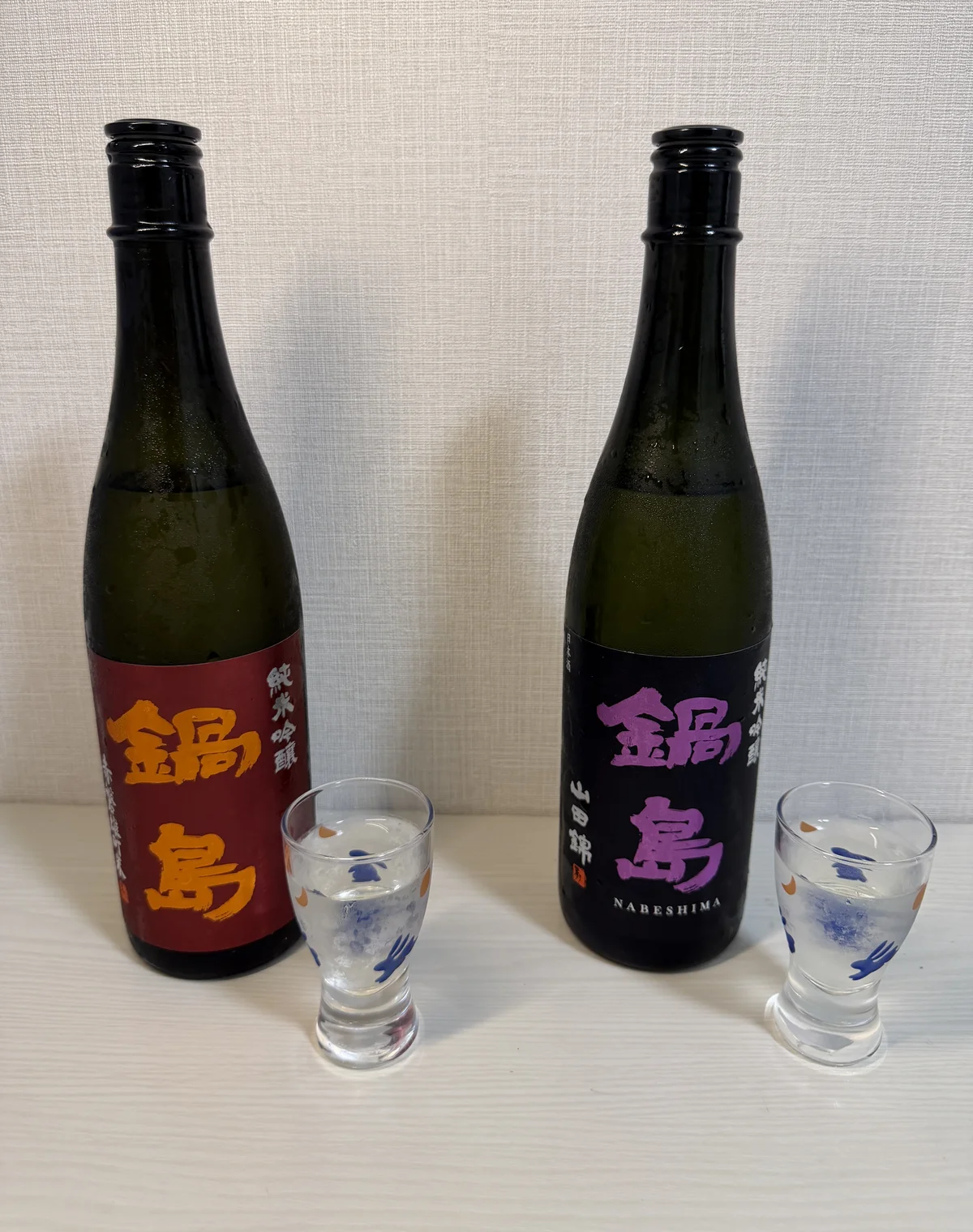
Yet I noticed meaningful differences. The Omachi version had a more restrained, integrated structure and a clean finish. The Yamadanishiki version felt more expressive, with broader fruitiness and a rounder character. With processed cheese, I preferred the way the Omachi version’s umami complemented the food.
The comparison wasn’t a laboratory experiment, and these differences shouldn’t be treated as universal characteristics of the two rice varieties. But it showed me that two sakes with the same classification and polishing ratio can have different personalities.
Read my Nabeshima Omachi vs Yamadanishiki comparison.
How to Read a Sake Label: A Beginner’s Checklist
Imagine you’re holding a Japanese sake bottle in a shop. Instead of trying to understand every Japanese character, I would begin with five pieces of information.
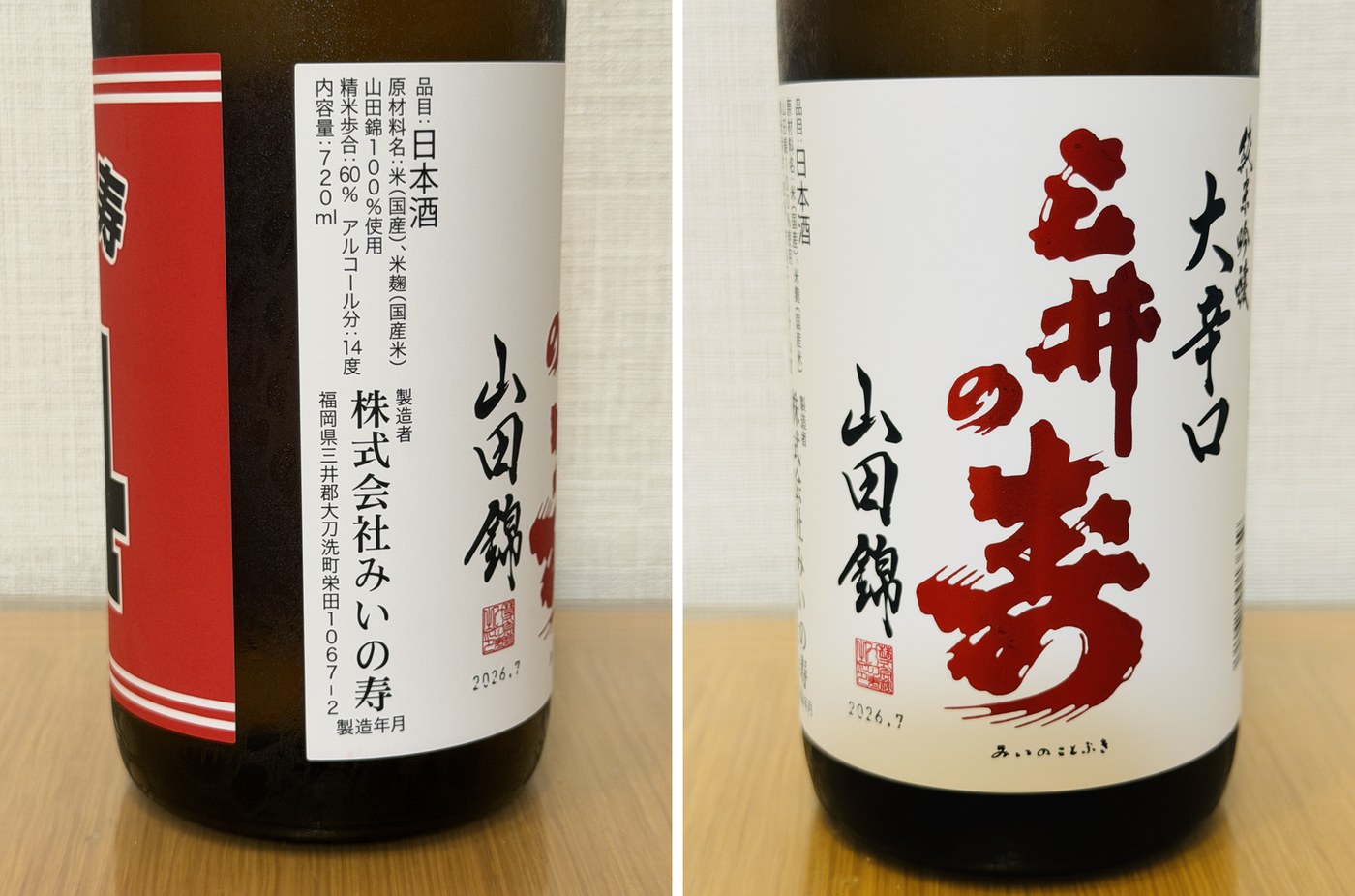
1. Classification. Look for Junmai (純米), Ginjo (吟醸), Daiginjo (大吟醸), or Honjozo (本醸造). This tells you about some of the ingredients and brewing requirements. If the ingredient list includes 醸造アルコール, brewer’s alcohol was added.
2. Rice polishing ratio. Look for 精米歩合 and a percentage such as 60%, 50%, or 75%. It tells you how much rice remains, not how good the sake tastes.
3. Alcohol content. A label stating 13%, 15%, or 17% tells you the actual alcohol strength. It doesn’t necessarily tell you how strong the alcohol will feel on the palate.
4. Rice variety. Omachi, Yamadanishiki, and other names refer to rice varieties. They add information, but they don’t guarantee a particular flavor.
5. Other brewing terms. These describe production or handling rather than whether a sake is Junmai, Ginjo, or Daiginjo:
- Nama: Unpasteurized sake
- Genshu: Sake made without the usual dilution to adjust alcohol strength
- Muroka: Sake made without a later finishing-filtration step, which often involves activated charcoal
- Hiyaoroshi: A seasonal autumn style, traditionally pasteurized once and released after maturing through the summer
I’ve explained these using bottles I’ve actually tasted in Japan: see my guide to Muroka, Nama, and Genshu and What Is Hiyaoroshi?. If you’re curious about numbers such as +14, you can also read my Sake Meter Value guide.
Which Type of Sake Should a Beginner Choose?
If you’re new to sake, I wouldn’t recommend starting with the most expensive bottle or assuming that Junmai Daiginjo is always the best choice. Instead, consider the experience you’re looking for.
| Your Preference | A Style Worth Exploring |
|---|---|
| Fruity, delicate aromas | Ginjo or Junmai Ginjo |
| Refined, elegant character | Daiginjo or Junmai Daiginjo |
| Savory depth and rice character | Junmai |
| A crisp style to enjoy with food | Ginjo, Honjozo, or a dry Junmai |
| Something light and gently sweet | Look at tasting notes, not classification alone |
These are starting points, not rigid rules. One Junmai can be fruity and light, while another can be rich and savory.
How I Use Approachability
On The Sake Encounter, I give reviewed sakes an Approachability score out of 5. It reflects how welcoming I think each bottle might feel to someone relatively new to Japanese sake. It isn’t a quality ranking.
For example, Ohmine HANABI CUP received 4 / 5 because of its fruity aroma, light body, gentle sweetness, and restrained alcohol presence. Mii no Kotobuki +14 received 2 / 5: I found it interesting and enjoyable with food, but its sharp dryness may be demanding for a newcomer. Classification alone wouldn’t explain that difference, which is why I combine label information with actual tasting notes.
Learn how I score Approachability. If you’d like to explore the flavors themselves before choosing a bottle, start with my What Does Sake Taste Like? beginner’s guide.
Frequently Asked Questions
Is Junmai Better Than Ginjo?
Neither is automatically better. Junmai indicates no added brewer’s alcohol, while Ginjo refers to a brewing style with rice polished to 60% or less. A sake can also be both: Junmai Ginjo.
Is Junmai Daiginjo Better Than Junmai Ginjo?
Not necessarily. Junmai Daiginjo requires more extensive polishing, but a 50% ratio doesn’t guarantee a better sake than a 60% ratio. Other brewing choices matter too.
Is Daiginjo Always Sweet?
No. Daiginjo is not a sweetness category. Its flavor depends on the rice, yeast, brewing process, and other factors.
Does Junmai Mean Pure Sake?
Junmai is often translated as “pure rice,” and it indicates that no brewer’s alcohol has been added. It doesn’t mean that non-Junmai sake is fake, impure, or lower quality.
What Is Futsushu?
Futsushu is ordinary sake that falls outside the special-designation categories. The name doesn’t tell you everything about how the finished sake will taste.
Final Thoughts: Read the Label, Then Trust Your Palate
Junmai, Ginjo, and Daiginjo are useful terms. They tell us important things about how Japanese sake is made, but they don’t tell us which bottle we’ll enjoy most.
For me, understanding these classifications has made exploring new bottles more interesting, not more restrictive. The label helps me know what I’m looking at. The tasting tells me whether it’s something I want to drink again.
If you’re just beginning your sake journey, learn the basic names, but don’t let them decide your preferences for you. Start with a style that sounds appealing, try a small amount, and discover what you enjoy.
Further Reading
- What Does Sake Taste Like? A Beginner’s Guide
- Mii no Kotobuki Fuku vs +14
- Nabeshima Omachi vs Yamadanishiki
- Shichida Junmai Omachi Hiyaoroshi Review
- Muroka, Nama, and Genshu Explained
Sources for Sake Classification
- National Research Institute of Brewing: Sake Varieties
- Japan Sake and Shochu Makers Association: How to Read Sake Bottle Labels
Classification information is based on Japanese official brewing and labeling standards. Tasting descriptions are my personal impressions of specific bottles and releases. Individual sake flavors may vary. This article is intended for adults of legal drinking age. Please enjoy responsibly.
Sake is an alcoholic beverage. This article is intended for readers of legal drinking age in their country — please drink responsibly.