
Sawaya Matsumoto Shuhari Gohyakumangoku Review | A Crisp Kyoto Sake with Gentle Effervescence
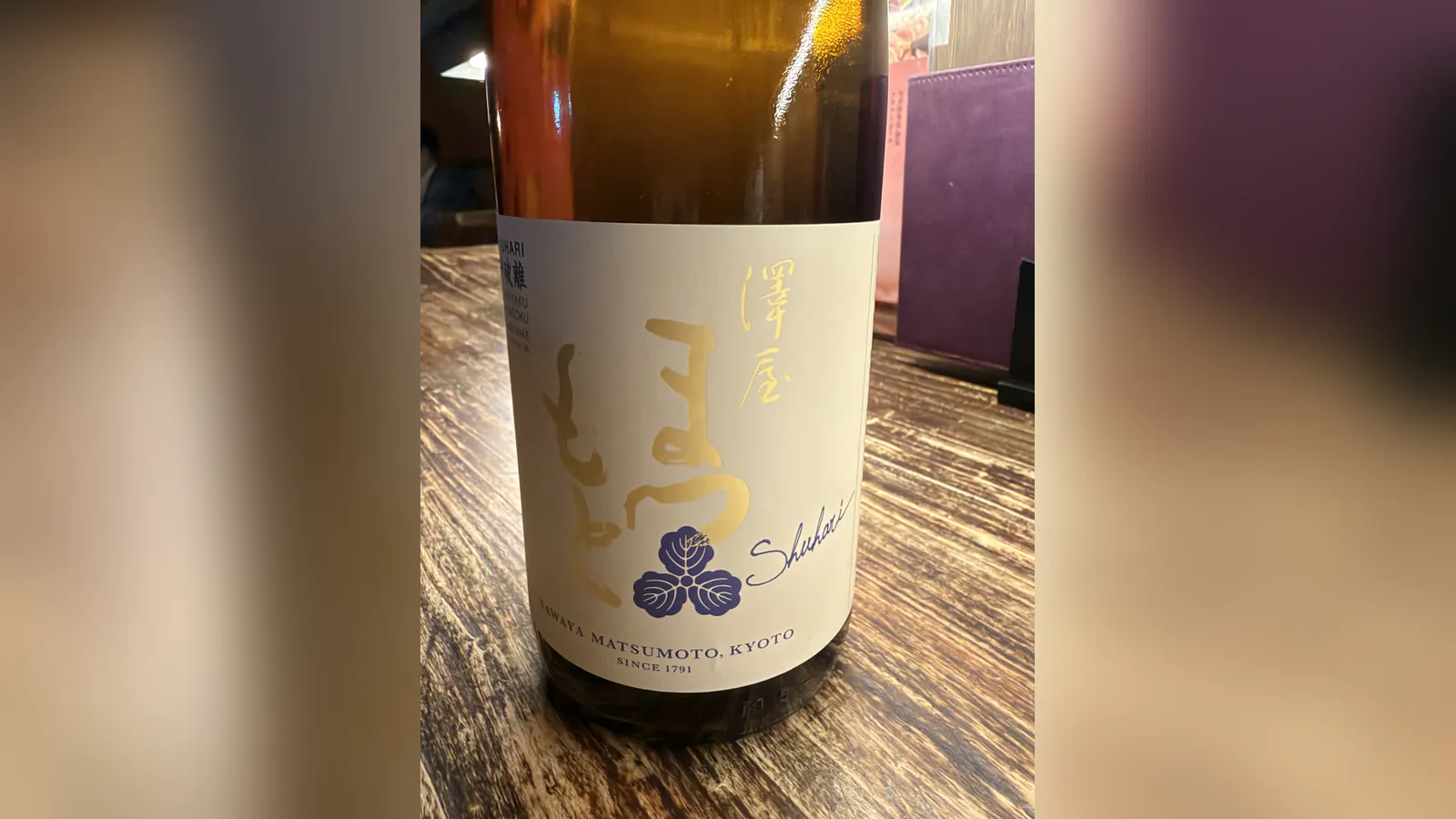
Table of Contents
Some sakes impress you with richness. This one impressed me by feeling almost as light as water—and then quietly revealing more.
I tried Sawaya Matsumoto Shuhari Gohyakumangoku over lunch in Shinsaibashi, Osaka, with a bowl of oyakodon. It is brewed by Matsumoto Shuzo in Fushimi, one of Kyoto’s best-known sake districts. What stayed with me was its refreshing acidity, a delicate tingle across the tongue, and a gentle umami that grew as I kept drinking.
It was a good reminder that a sake doesn’t need to be rich or intensely aromatic to leave a lasting impression.
At a Glance
| Detail | Information |
|---|---|
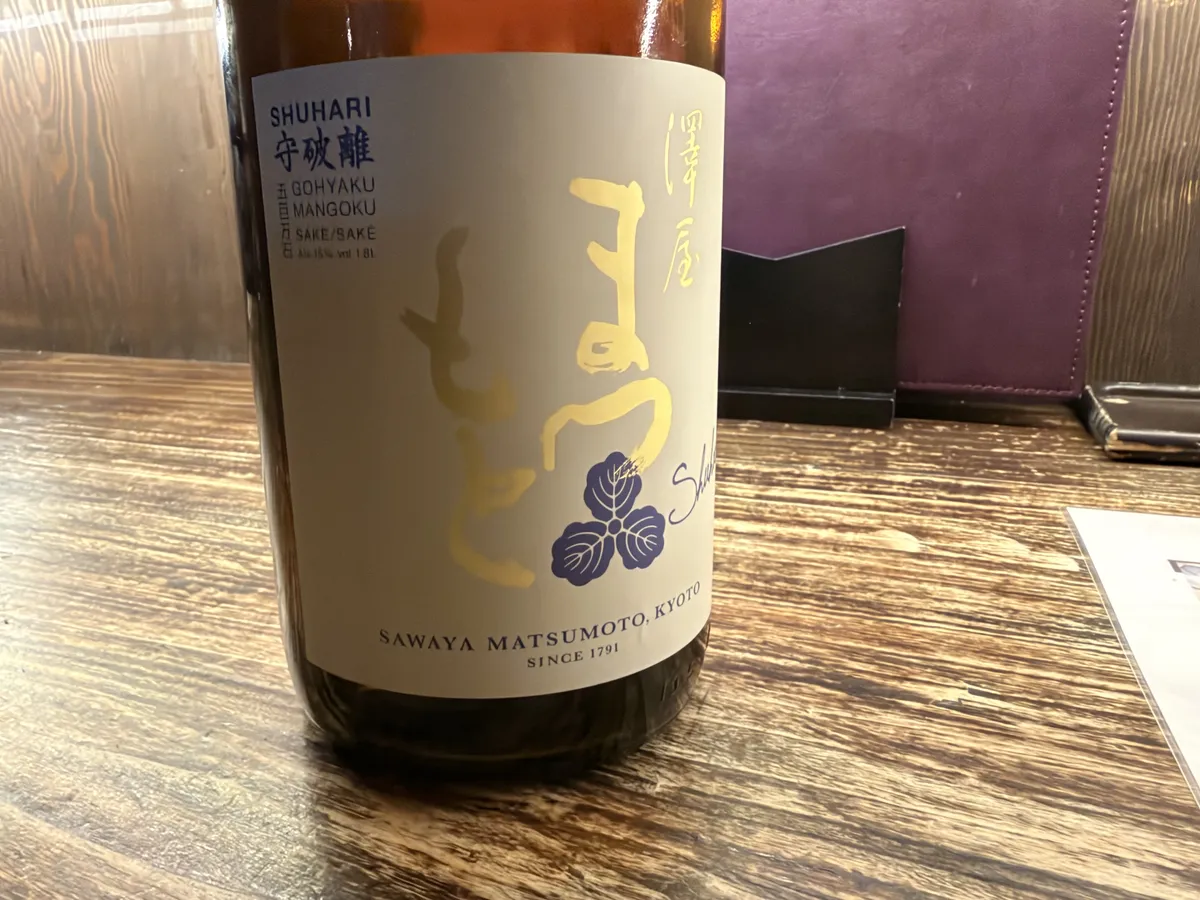
| Name | Sawaya Matsumoto Shuhari Gohyakumangoku (澤屋まつもと 守破離 五百万石) |
| Brewery | Matsumoto Shuzo, Fushimi, Kyoto |
| Rice | 100% Gohyakumangoku |
| Ingredients | Rice and rice koji |
| Alcohol | 15% |
| Rice polishing ratio | Not disclosed by the brewery |
| Style note | Contains a small amount of natural carbon dioxide from fermentation |
| How I tried it | One glass, served chilled, at a restaurant in Osaka |
| Approachability | 4.5 / 5 |
Rice, ingredients, alcohol, and the note on natural carbonation are from the bottle’s back label. The label lists the category simply as “sake” (日本酒) and does not use a grade such as junmai (for what these grades mean, see Junmai vs Ginjo vs Daiginjo). The brewery’s product page lists the rice polishing ratio as “not disclosed.”
What Is Sawaya Matsumoto Shuhari?
Matsumoto Shuzo was founded in Kyoto in 1791. According to the brewery, the name Sawaya Matsumoto combines Sawaya, the shop name used by its founder, with the family name Matsumoto. The brewery is in Fushimi, an area once written as “Fushimizu” because of its plentiful, high-quality groundwater.
Shuhari (守破離) is a Japanese concept describing three stages of learning:
- Shu (守): following and preserving established tradition
- Ha (破): breaking from it and developing further
- Ri (離): leaving the form behind and finding your own way
It is a fitting name for a sake that feels rooted in tradition yet light and contemporary in the glass.
This bottle uses 100% Gohyakumangoku, a sake rice variety. According to the brewery’s product page, the Gohyakumangoku for this sake comes from Nanto City in Toyama Prefecture, and the brewery describes it as the starting point of the Shuhari series.
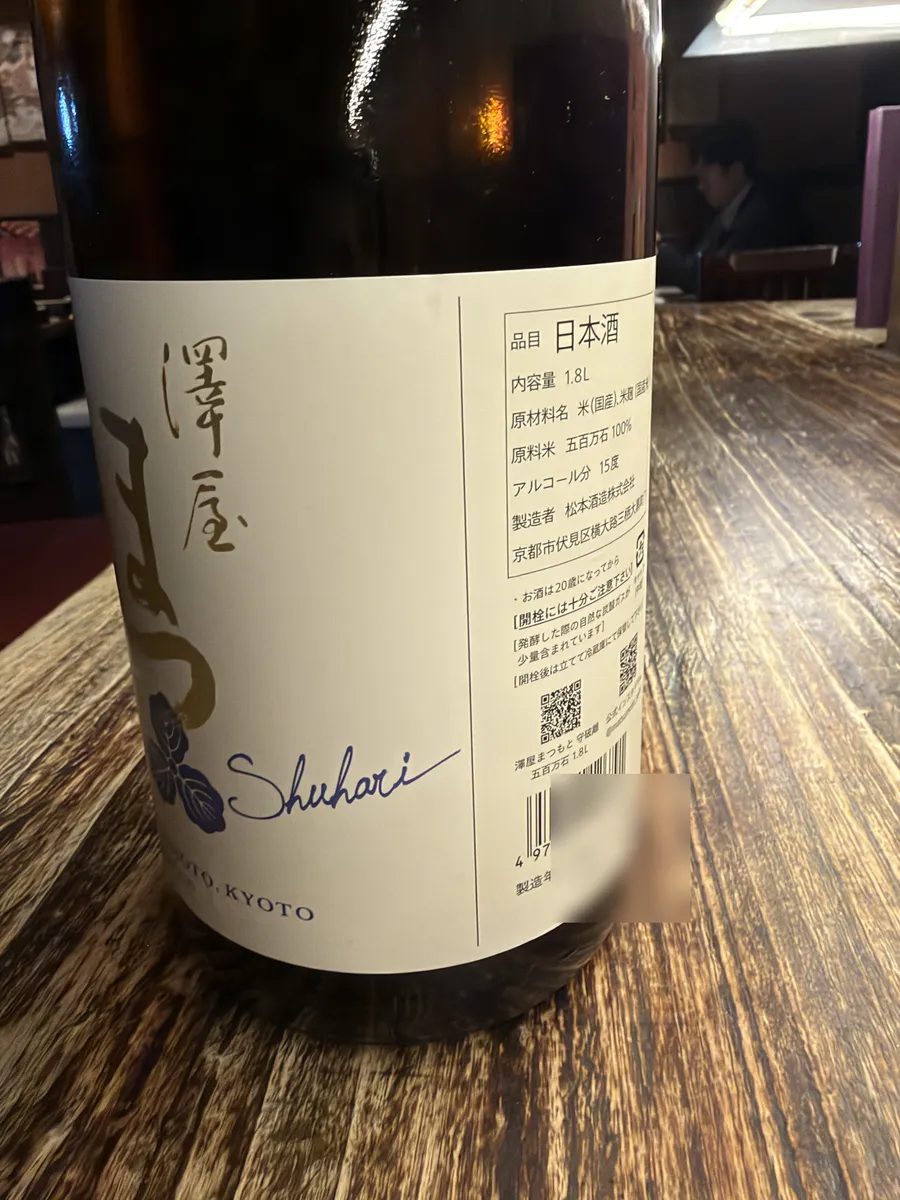
The back label notes that the sake contains a small amount of natural carbon dioxide from fermentation, and asks you to open the bottle carefully and keep it upright in the refrigerator after opening.
Tasting Notes
Aroma — Muscat Grapes and Gentle Rice
The first impression was fruity, reminiscent of Muscat grapes, with a gentle rice note underneath. The aroma was pleasant without being intense, and it stayed fresh and consistent in the glass rather than changing dramatically.
Palate — Refreshing Acidity and a Delicate Tingle
Refreshing acidity was the most noticeable element. A soft, understated sweetness arrived almost at the same time, but the acidity stayed slightly in front, making the sake feel crisp and remarkably easy to drink.
What made it memorable was a subtle tingling sensation spreading across my whole tongue. It wasn’t fizzy like Champagne—just a delicate liveliness. The back label explains it: the sake contains a small amount of natural carbon dioxide from fermentation.
If you enjoy the gentle tingling sensation of this sake, you might also be interested in my review of Kaze no Mori Akitsuho 657, another sake where a fine natural fizz adds to the drinking experience.
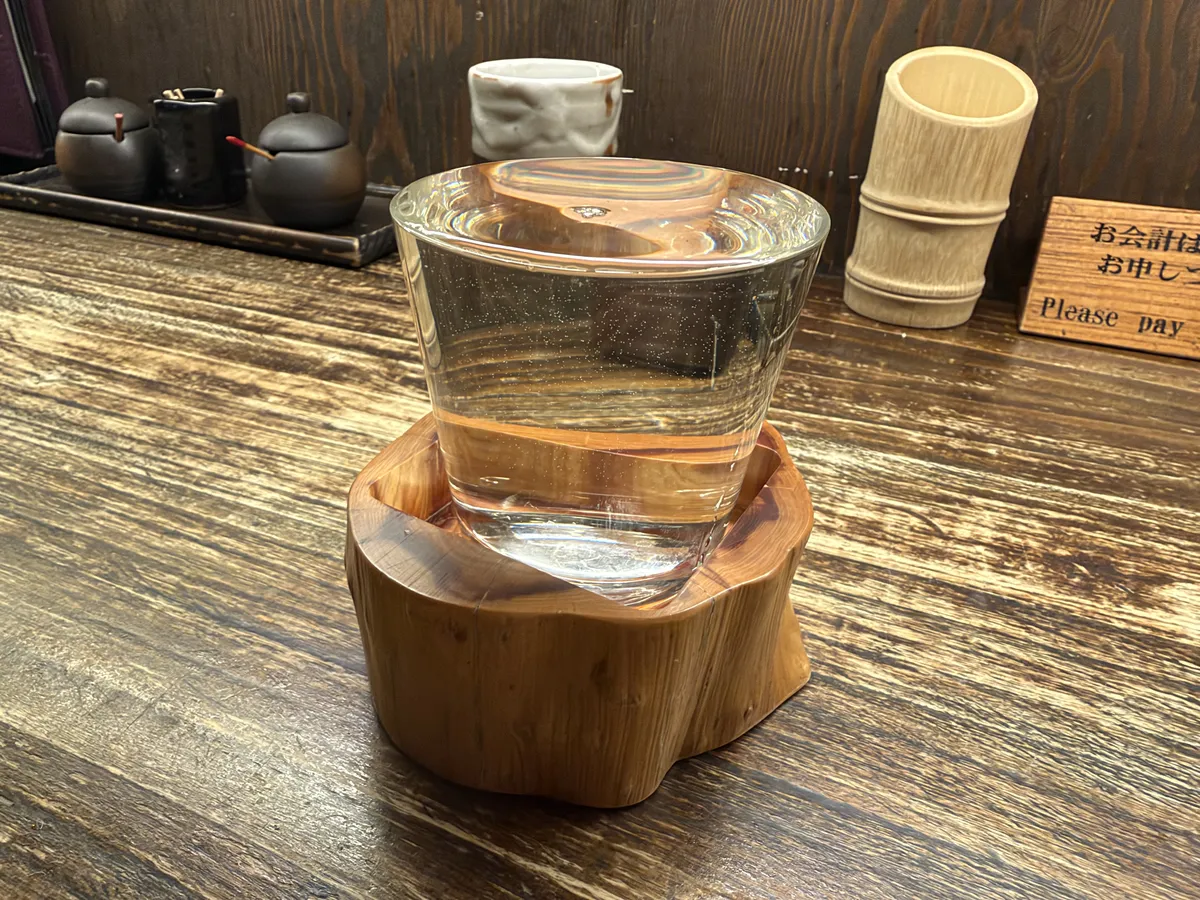
Body — Light at First, Then Gently Savory
At first, the texture was almost water-like: clean, sharp, and refreshing. As I kept drinking and the sake warmed slightly in the glass, more umami appeared. The sweetness stayed about the same, and a faint alcohol note came through the nose, though it never felt strong.
This shift—from a delicate opening to a more savory middle—was one of the things I liked most.
Finish — Clean, with Lingering Umami
The finish was clean but not fleeting. A gentle acidity and a faint bitterness lingered, while the umami stayed the longest. I didn’t find the bitterness unpleasant; together with the acidity and umami, it made the finish feel more complete.
Food Pairing — Oyakodon in Shinsaibashi
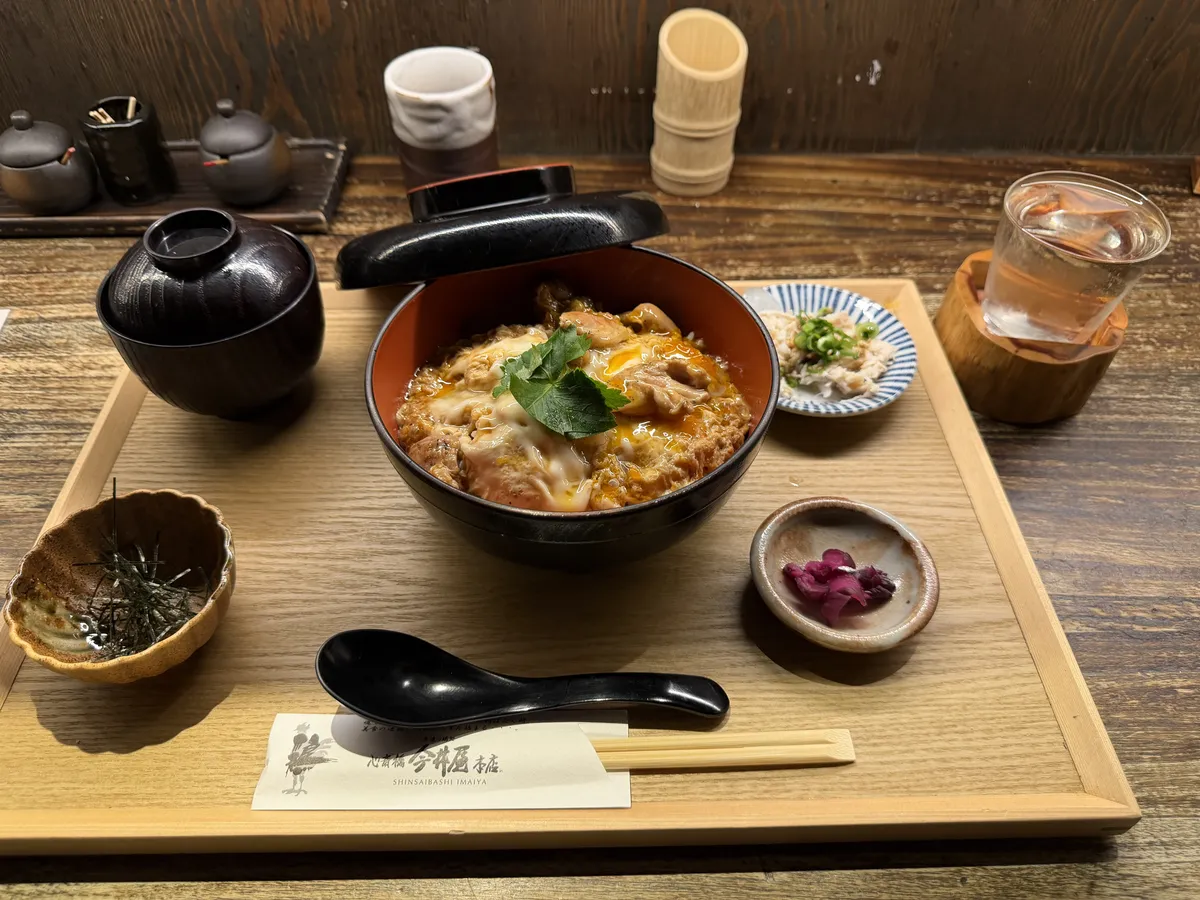
I had the sake with an oyakodon lunch set: chicken and soft egg simmered in a savory broth and served over rice.
The sake complemented the dish without overpowering it. Its acidity and gentle tingle refreshed my palate between bites, so each mouthful of the rich, comforting bowl tasted as good as the first. Rather than creating a dramatic contrast, the sake played a supporting role and let the food stay in focus.
It also showed how well sake works with everyday Japanese comfort food—not only with sushi or multi-course dinners. If you’re traveling in Japan, a glass of crisp sake with a lunchtime rice bowl is an easy way to try this.
Approachability: 4.5 / 5
This is a sake I’d happily recommend to someone just starting out, especially with food.
What makes it approachable:
- A pleasant Muscat-like aroma
- Gentle sweetness balanced by refreshing acidity
- A light body and restrained alcohol
- A subtle natural fizz that keeps it lively
What makes it more challenging:
- The acidity and faint bitterness may not suit drinkers who prefer sweet, soft sake
- It is light rather than rich, so it may feel understated if you want bold flavor
On my scale, it sits alongside other light, food-friendly sakes that I find easy to enjoy from the first sip.
Availability
I tasted this sake by the glass at a restaurant, where it was served from a 1.8 L bottle.
Overseas availability may vary by country and retailer. In Japan, Sawaya Matsumoto Shuhari Gohyakumangoku is distributed through selected sake retailers. For international readers, checking with a specialist Japanese sake retailer may be the best starting point.
If you can’t find it, look for a light, crisp sake with a fresh aroma—and check whether the label mentions natural carbonation if you’d like that gentle tingle.
Where in Japan
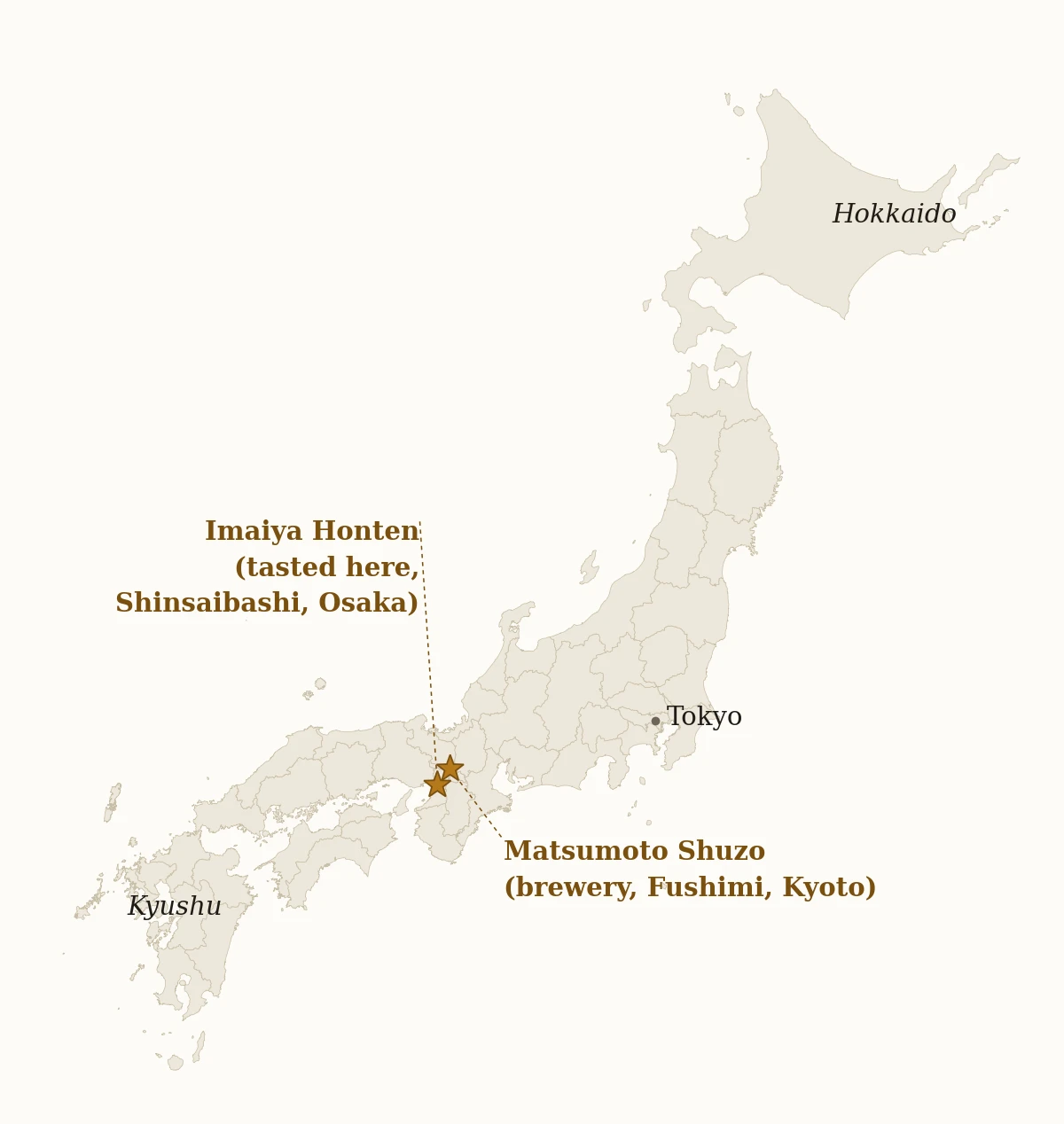
- Matsumoto Shuzo, Fushimi, Kyoto — The brewery behind Sawaya Matsumoto. Official website
- Shinsaibashi Imaiya Honten, Osaka — Where I tried it.
Where I Tried It — Shinsaibashi Imaiya Honten
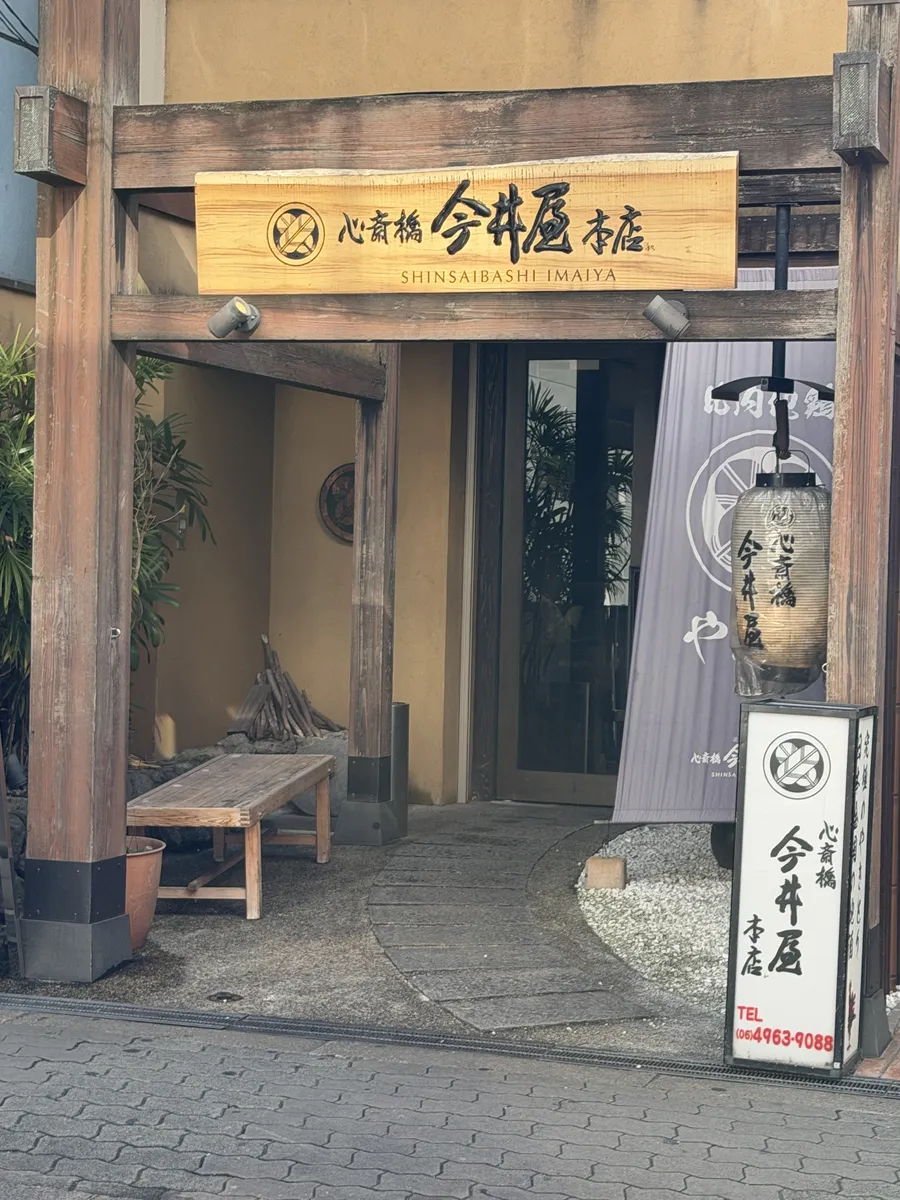
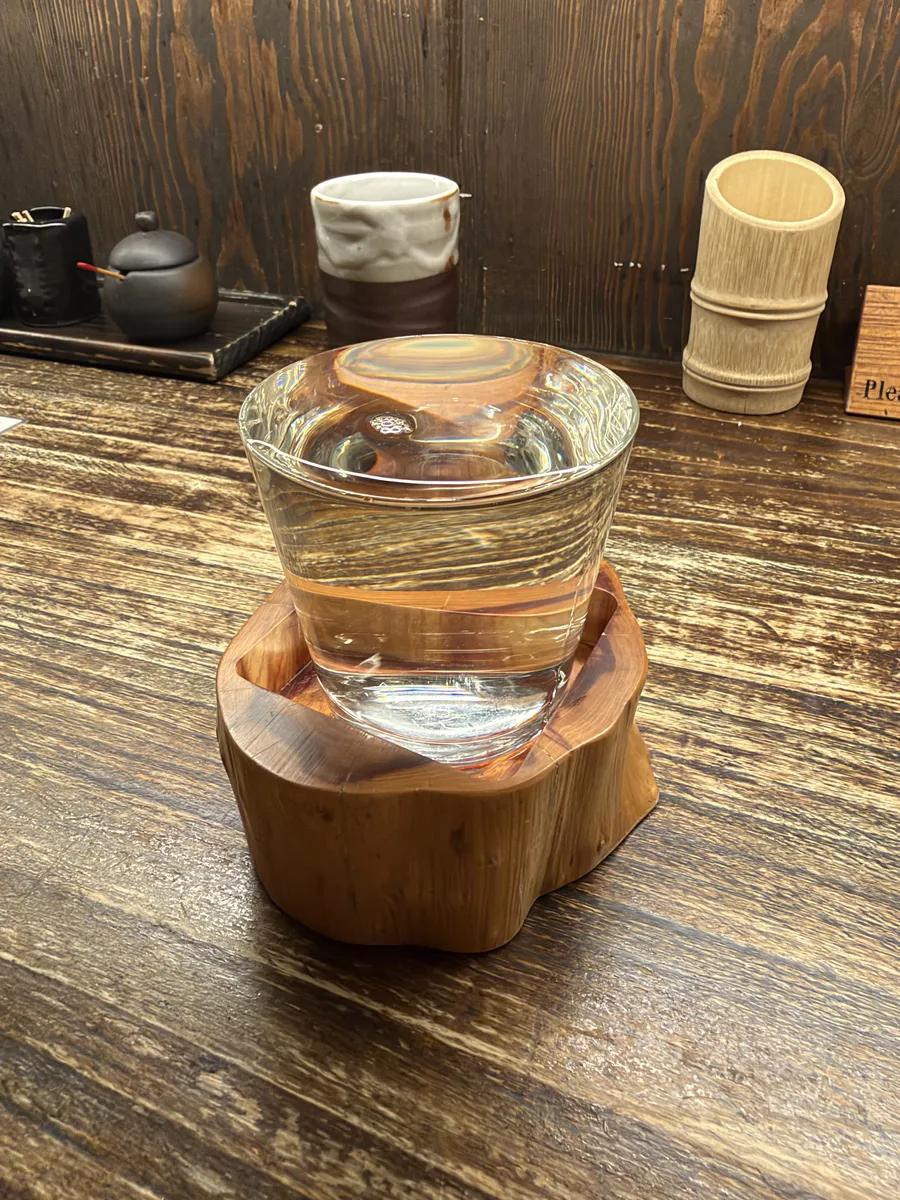
Shinsaibashi Imaiya Honten is a chicken restaurant specializing in yakitori made with Hinai-jidori, a prized chicken from Akita Prefecture. It is a one-minute walk from Shinsaibashi Station on the Midosuji subway line. The sake came in a glass set in a wooden holder, which suited the restaurant’s traditional atmosphere.
- Restaurant: Shinsaibashi Imaiya Honten (心斎橋 今井屋本店)
- Address: 1-17-26 Higashishinsaibashi, Chuo-ku, Osaka
- Official website: DD Group
According to the official website, the lunch menu is served on weekdays only. Sake selections, prices, and opening hours may change, so check with the restaurant before visiting.
Final Thoughts
Sawaya Matsumoto Shuhari Gohyakumangoku left a strong impression through balance rather than power: a Muscat-like aroma, refreshing acidity, a gentle natural fizz, and an umami finish that kept it interesting beyond the first sip.
It was also a lovely partner for oyakodon—proof that a light, crisp sake can shine with an ordinary lunch.
My verdict: A refreshing, lightly tingling, food-friendly Kyoto sake with delicate sweetness and a surprisingly satisfying finish.
Approachability: 4.5 / 5
This was a single glass at a restaurant rather than a full bottle review, but it was enough to make me want to explore more of the Sawaya Matsumoto range.
This review is based on one glass served at a restaurant. Flavor impressions are personal, and other bottles may differ. Please enjoy sake responsibly.
Related Reading
- Nichi Nichi Yamadanishiki Review — another sake from Fushimi, Kyoto
- Kagura Ruri Sake (Matsui Shuzo, Kyoto)
- Tatsuriki Banshu Karakuchi Hiyaoroshi Review — a dry sake I paired with chicken (yakitori)
- What Does Sake Taste Like?
Sake is an alcoholic beverage. This article is intended for readers of legal drinking age in their country — please drink responsibly.